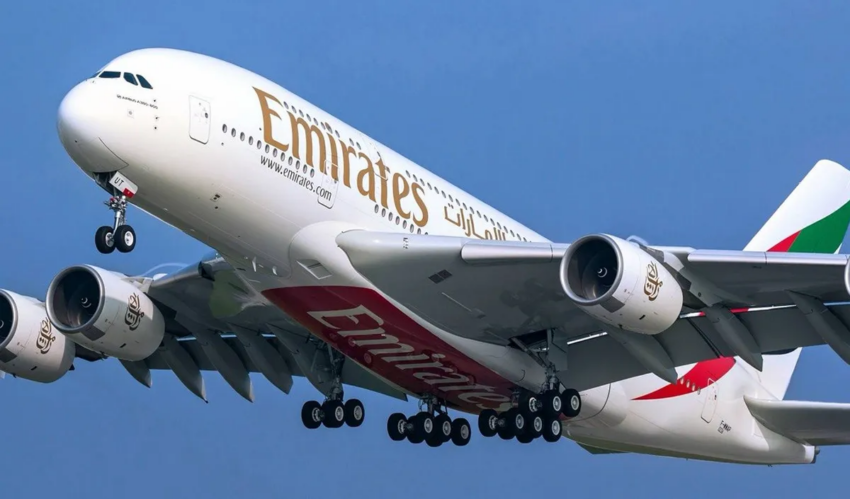
Emirates—Representative Image
Emirates remains at the top of the rankings for the second year in a row, Euronews reports. The company reported a record net profit of $5.4 billion for the fiscal year—the best result in its history. Emirates noted that this result was achieved despite “significant challenges” in the final month of the reporting period, related to the closure of airspace in the region following the outbreak of a military conflict involving Iran.
In second place was the U.S.-based Delta Air Lines with a net profit of $5 billion, followed by United Airlines with $3.4 billion.
Among European carriers, Ryanair posted the best results. For the fiscal year ending in March, the Irish low-cost carrier reported a net profit of €2.26 billion—40% more than the previous year—thanks to higher fares.
Turkish Airlines earned approximately $2.4 billion, and the company reported record revenue despite a decline in profit. Singapore Airlines reported a profit of $2.1 billion; however, this figure includes a one-time non-cash accounting gain of 1.1 billion Singapore dollars (about $800 million) related to the merger of Air India and Vistara. Excluding this effect, the airline’s core profit was approximately $1.3 billion.
The top nine also included Qatar Airways with a profit of $1.94 billion, Cathay Pacific with about $1.27 billion, and Japan’s ANA Holdings with approximately $1.1 billion.
Who Was Not Included in the Ranking
Multi-brand airline holding companies, such as IAG and the Lufthansa Group, were not included in the ranking; therefore, British Airways and Lufthansa are absent from it. However, Emirates Group and Qatar Airways Group were included, as each comprises a single airline with related business lines and publishes consolidated financial statements.
At the same time, analysts note that the record revenues reflect the situation before the effects of the conflict in the Middle East began to impact the industry.
For example, Qatar Airways’ profit fell by nearly 10% compared to the previous year, despite record operating profit. The company attributed this to the closure of Qatar’s airspace in the final quarter of the fiscal year.
“It is not often that a single fiscal year requires an organization to demonstrate both the best it is capable of and the limits of its resilience,” said Badr Mohammed Al-Mir, CEO of Qatar Airways Group.
Emirates, for its part, reported a 1% decline in passenger traffic, also attributing this to flight restrictions in the region.
Fuel Is the Main Risk Factor
Rising fuel costs remain an additional risk factor. According to One Investments, in 2025, aviation fuel expenses accounted for approximately 25.8% of airlines’ operating costs. Following disruptions to shipping through the Strait of Hormuz, oil prices briefly exceeded $150 per barrel. Prices later fell to approximately $85 per barrel, however, the International Air Transport Association (IATA) had previously warned that if energy prices remained high, the global aviation industry’s aggregate profits could decline significantly.
Against this backdrop, Ryanair declined to publish a forecast for the next fiscal year, despite having locked in about 80% of its required fuel volume in advance at a price of about $67 per barrel, citing ongoing uncertainty.
Follow our updates
Have information for the newsroom? Share it with Logos-Press