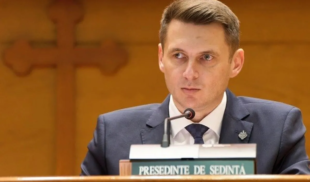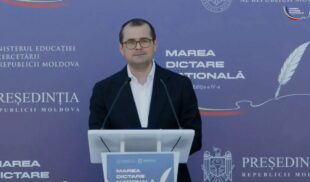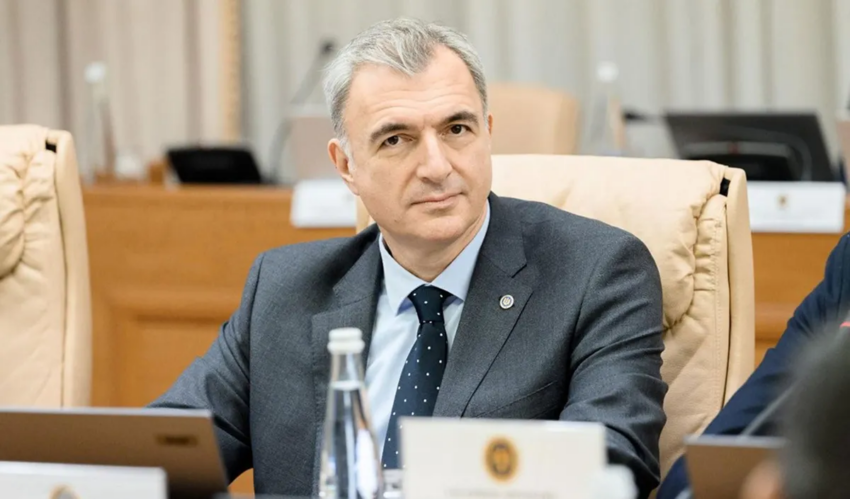
Eugen Osmochescu
The launch of Cluster 6 took place just one month after the start of negotiations on Cluster 1—“Fundamental Values”— and this decision marks a new stage in the accession process and confirms that negotiations are moving forward on the basis of progress made, consistent reforms, and mutual trust. Cluster 6 covers areas such as foreign policy, security and defense policy, as well as the European Union’s common trade policy.
Osmochescu thanked the Irish Presidency of the Council of the European Union, the European Commission, and the member states for their support of the Republic of Moldova and for their confidence in the country’s European future. “European integration is the most reliable guarantee of peace and security for the Republic of Moldova. At the same time, our country is increasingly ready to shoulder its share of responsibility for Europe’s security,” stated Eugen Osmochescu.
The acting prime minister emphasized that in recent years, the Republic of Moldova has significantly strengthened its cooperation with the European Union in the areas of foreign policy, security, and defense. The degree of alignment with the EU’s Common Foreign and Security Policy has increased from 54% in 2022 to more than 90% in 2025, and the experience Moldova has gained in defending democratic institutions, countering hybrid attacks, and strengthening societal resilience represents an important contribution to regional and European security.
The start of negotiations on Cluster 6 is also of great economic significance. The European Union is the Republic of Moldova’s main trading partner, accounting for more than two-thirds of the country’s exports. “By joining the European Union’s Common Commercial Policy, Moldovan businesses will become part of the world’s largest network of free trade agreements, which will create new opportunities for investment, exports, and sustainable economic growth,” — said the acting head of the executive branch.
The conference highlighted the work done by the institutions of the Republic of Moldova to expedite the implementation of reforms. “This reflects the Republic of Moldova’s approach to the entire accession process: we are preparing in advance, consistently implementing reforms, and maintaining momentum,” Osmochescu said.
“Our goal remains unchanged: to conclude accession negotiations by 2028 and be fully prepared for accession by 2030, in order to build a stronger, safer, and more prosperous Republic of Moldova as part of the European Union. We will continue to move forward in this process with determination, responsibility, and confidence,” concluded Acting Prime Minister Eugen Osmochescu.
Follow our updates
Have information for the newsroom? Share it with Logos-Press