Production
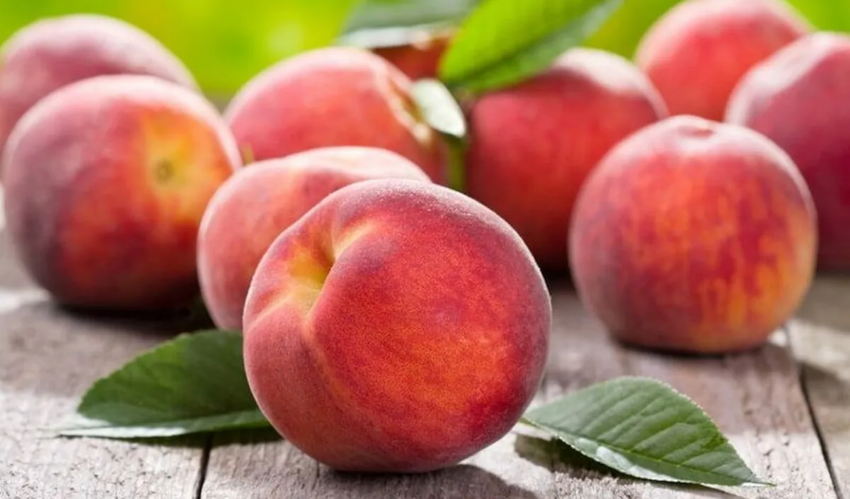
In 2026, production of dessert peaches and nectarines (for the “fresh market”) in Europe could reach about 2.74 million metric tons. This is an 8% increase compared to the 2025 figure (2.53 million metric tons), according to EastFruit, citing a forecast by Europêch.
Production of processing peaches, intended primarily for the canning industry, is estimated separately. The harvest is projected at 665,000 metric tons, which is 10% higher than last year’s figure.
Spain remains the largest producer of peaches and nectarines in Europe. The country’s total harvest of round and flat peaches, as well as nectarines, could approach 1.2 million metric tons, an increase of approximately 5% year-over-year.
In Italy, production is forecast at 867,200 metric tons, which is 3% more than the previous year. In France, the harvest is expected to be about 224,000 metric tons—4% more than in 2025.
The most significant recovery in production is forecast for Greece. The country’s peach and nectarine harvest could reach 455 thousand metric tons, an increase of 35% following significant losses caused by spring frosts last season.
The return of large volumes of Greek produce, along with increased production in Spain and Italy, means intensified competition in the European market. However, the impact of increased supply on prices varies significantly depending on the country, product category, fruit size, and quality.
Prices
In Italy, according toofficial ISMEA monitoring for the second week of July, average producer prices for the main categories of peaches and nectarines remained below the level of the same period in 2025.
White-fleshed peaches sold for an average of €0.85/kg, which is 15.3% less than a year earlier. The average price of yellow-fleshed peaches was €0.86/kg, down 9.2%. White-fleshed nectarines averaged €0.95/kg—9.3% cheaper than last year. The average price of yellow-fleshed nectarines was €0.84/kg, representing a 12.8% decrease.
In France, the situation in some segments is more favorable for peach and nectarine producers and suppliers. As of July 15, the wholesale price of white-fleshed nectarines grown in the Rhône-Alpes region, Category I and size AA, was approximately €2.90/kg. Yellow-fleshed peaches of the same grade and size were offered at approximately €2.80/kg.
Size and marketability are key factors
The expected increase in harvest volume is intensifying competition among Spain, Italy, Greece, and France. Under these conditions, taste characteristics, lot uniformity, fruit size, sorting quality, shelf life, and the ability to fulfill agreed-upon delivery schedules are becoming increasingly important for suppliers.
As supply increases, the price difference between standard produce and fruit that meets the requirements of the premium retail segment may become even more pronounced.
Follow our updates
Have information for the newsroom? Share it with Logos-Press