


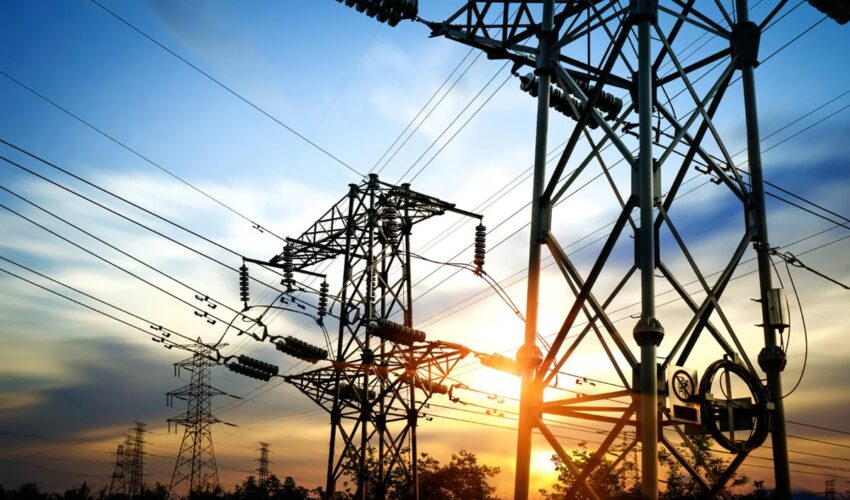
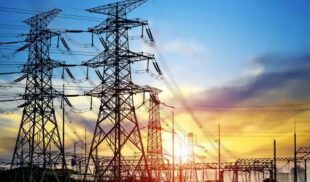
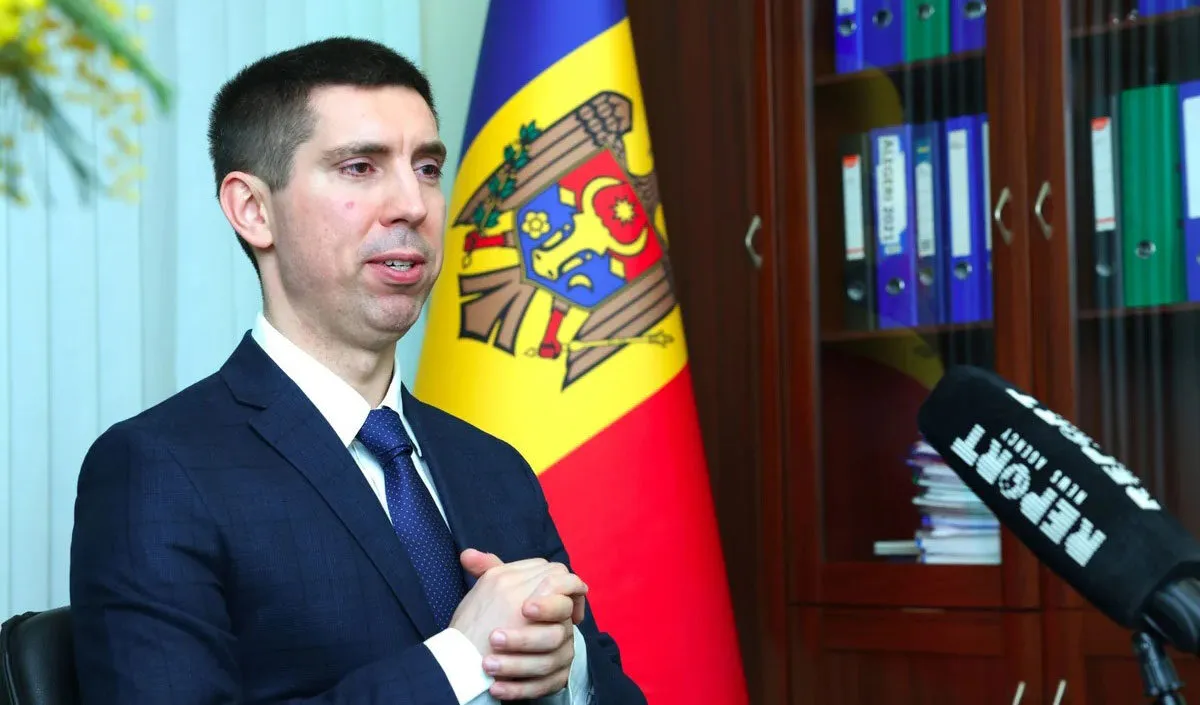
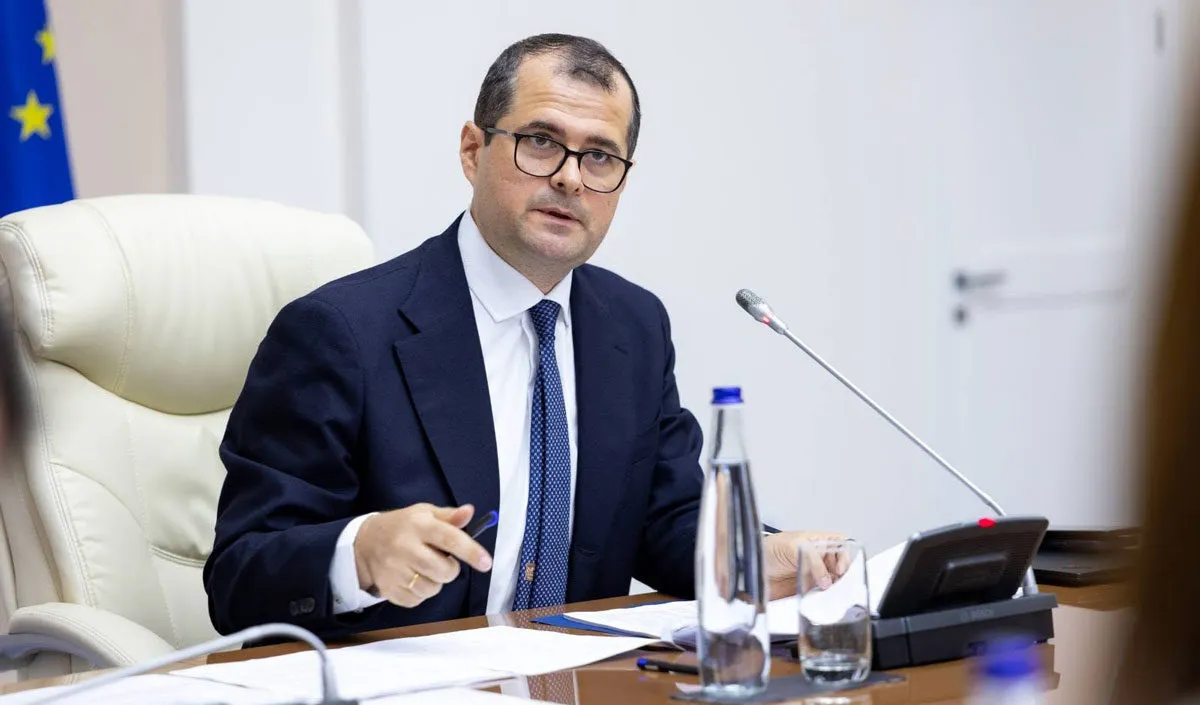
“The energy sector remains in a tense and challenging period. It is therefore appropriate to maintain the state of alert,” said Prime Minister Vasile Tofan.
According to the decision, one of the main risks is the reduction, from December, of the guaranteed capacity for electricity imports from Romania to approximately 330 MW. This could create difficulties in meeting demand during peak hours.
The document also shows that approximately 75 per cent of electricity consumption is met by imports, whilst short-term purchases account for 15–20 per cent of daily consumption. Among the risks identified are a reduction in the region’s generation capacity, against the backdrop of attacks on Ukraine’s energy infrastructure, low diesel stocks, possible delays in payment for gas supplied to the Transnistrian region, and potential spells of severe cold.
The National Crisis Management Commission will coordinate the response to energy risks and will be able to adopt extraordinary measures, should these prove necessary. The Ministry of Energy will be responsible for managing the crisis response in the energy sector.
The state of alert in the energy sector was initially declared on 5 March 2026, for 60 days. Following the lifting of the state of emergency on 25 April, it was reinstated for a further 60 days. It was subsequently extended until 25 September, when it was replaced by a state of emergency in the energy and hydrological sectors, declared for 60 days.
Follow our updates
Have information for the newsroom? Share it with Logos-Press















Comments
0No comments yet. You can start the conversation.
Comments are open to readers with a Logos Press account.
Sign in to comment