


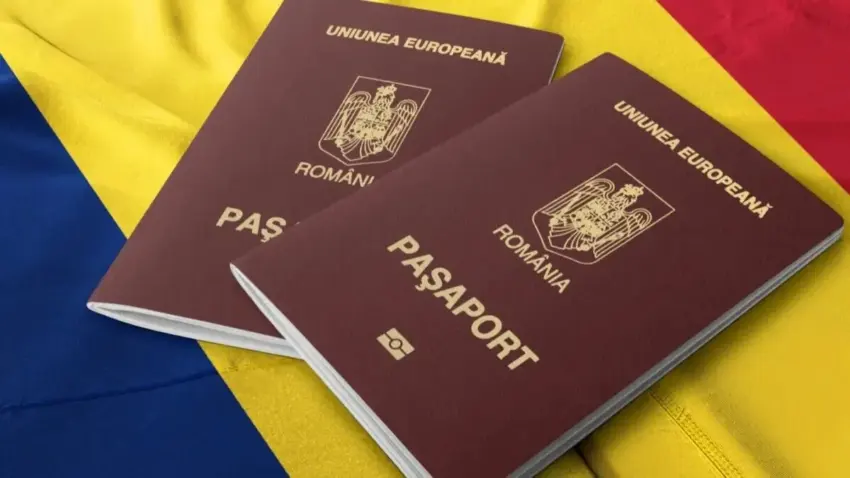
The petition is addressed to the President, Parliament and Government of Romania, as well as to the 13 MPs who initiated this bill.
The signatories believe that any irregularities in the citizenship restoration procedure should be rectified through the verification of documents and the application of the law, without restricting access to this procedure for all descendants. They refer to the historical ties between Romania and the Republic of Moldova, as well as to the plight of families separated following the events of 1940.
The former parliamentarians point out that the annexation of Bessarabia by the USSR led to the separation of families and communities, and the consequences of these events are still felt today. In their view, the descendants of persons who held Romanian citizenship should retain the right to apply for its restoration in accordance with the conditions set out in the current law.
‘Fraud is combated through oversight and law enforcement, not by restricting the rights of an entire people,’ the statement reads.
The signatories also emphasise the importance of relations between Bucharest and Chișinău in the context of the Republic of Moldova’s rapprochement with the European Union. They believe that citizenship legislation should take into account the historical and family ties between the two banks of the Prut River.
What the draft amendments to the Romanian Citizenship Act provide for
The legislative initiative was submitted to the Senate on 15 September 2026 and proposes amendments to Articles 10 and 11 of the Romanian Citizenship Act No. 21/1991.
Currently, Article 11 allows citizenship to be restored not only to persons who have lost it, but also to their descendants up to the third degree of kinship, subject to certain conditions. The draft aims to restrict this special procedure to persons who actually held Romanian citizenship and lost it, which could alter the situation for their children and grandchildren applying for citizenship on the basis of family origin.
The proposers cite the need to streamline administrative procedures, reduce waiting times and prevent the use of non-compliant or forged documents. The explanatory memorandum also mentions the difficulties faced by the authorities in verifying a large number of applications.
This story was translated with the assistance of artificial intelligence.The translation was also reviewed by the Logos Press editorial team.
Follow our updates
Have information for the newsroom? Share it with Logos-Press






















Comments
0No comments yet. You can start the conversation.
Comments are open to readers with a Logos Press account.
Sign in to comment