


Dinu Plîngău
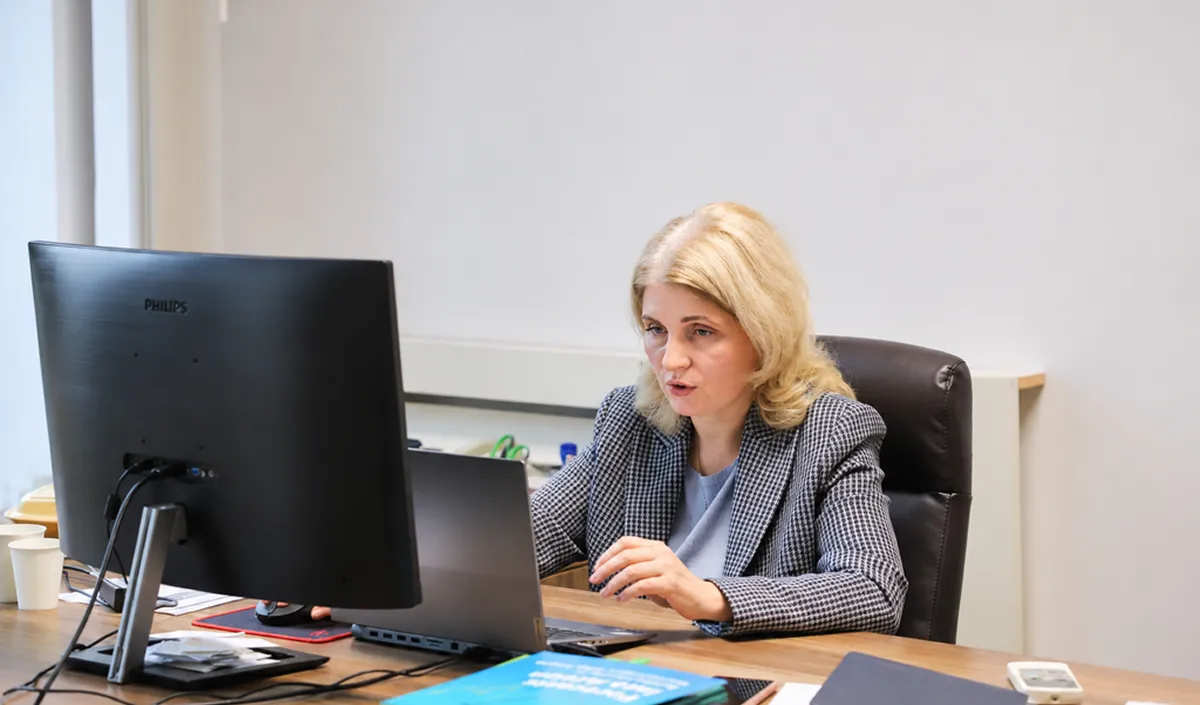
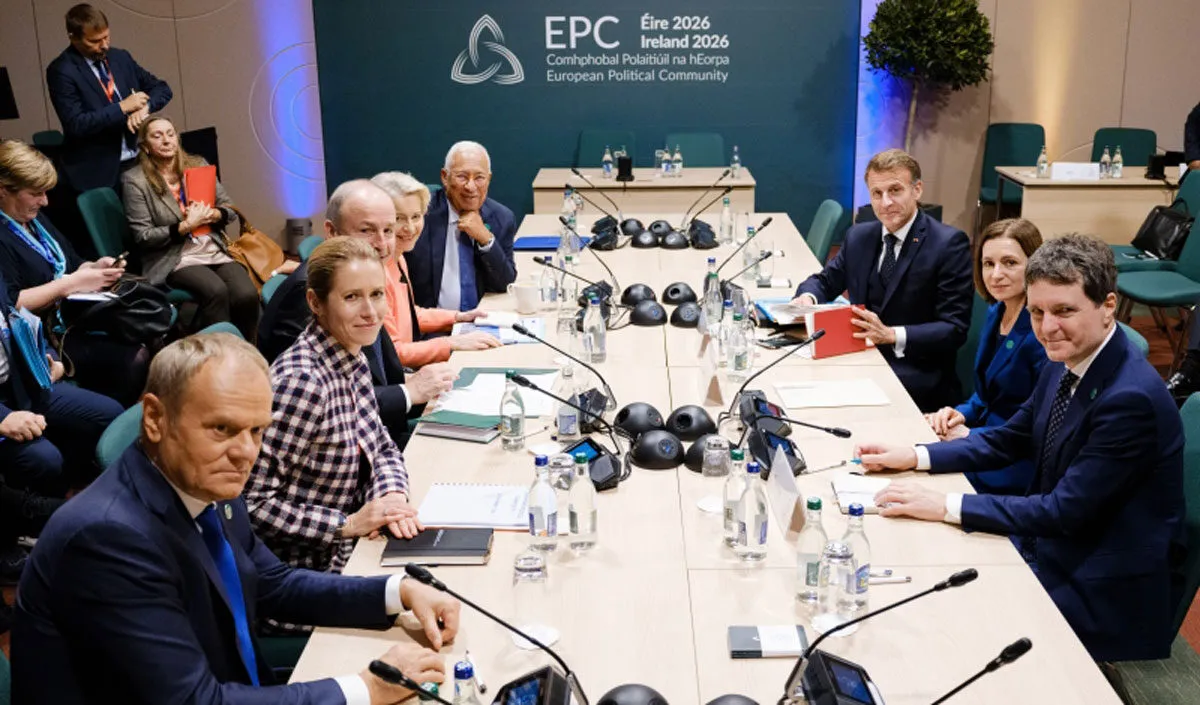
The commission has encountered not only issues regarding salaries and executive appointments, but also a lack of consistent information about the state-owned enterprises themselves. The state simply does not know what assets it owns or to what extent. Different registers contain varying data on the number and condition of state-owned enterprises.
The range of figures cited by the Commission’s chair, Dinu Plîngău, clearly illustrates the extent of the chaos in the accounting of public property. Since independence, 1,359 state-owned enterprises have been established in the country. However, government departments today provide completely contradictory data on how many of them are currently operational.
The State Register of Legal Entities lists 515 enterprises, 323 of which do not even have an IDNO. The Public Property Register lists only 163 entities, whilst data from the State Tax Service indicates there are 609 state-owned enterprises.
Bureaucratic ‘bonuses’
Whilst the relevant departments are unable to agree on a basic list of assets, the administrative mechanisms continue to operate with high financial returns for a select few. The state does not know the exact number of its assets, but it does keep a clear record of the positions within their governing bodies. We are talking about 1,628 posts on the administrative boards of state-owned enterprises.
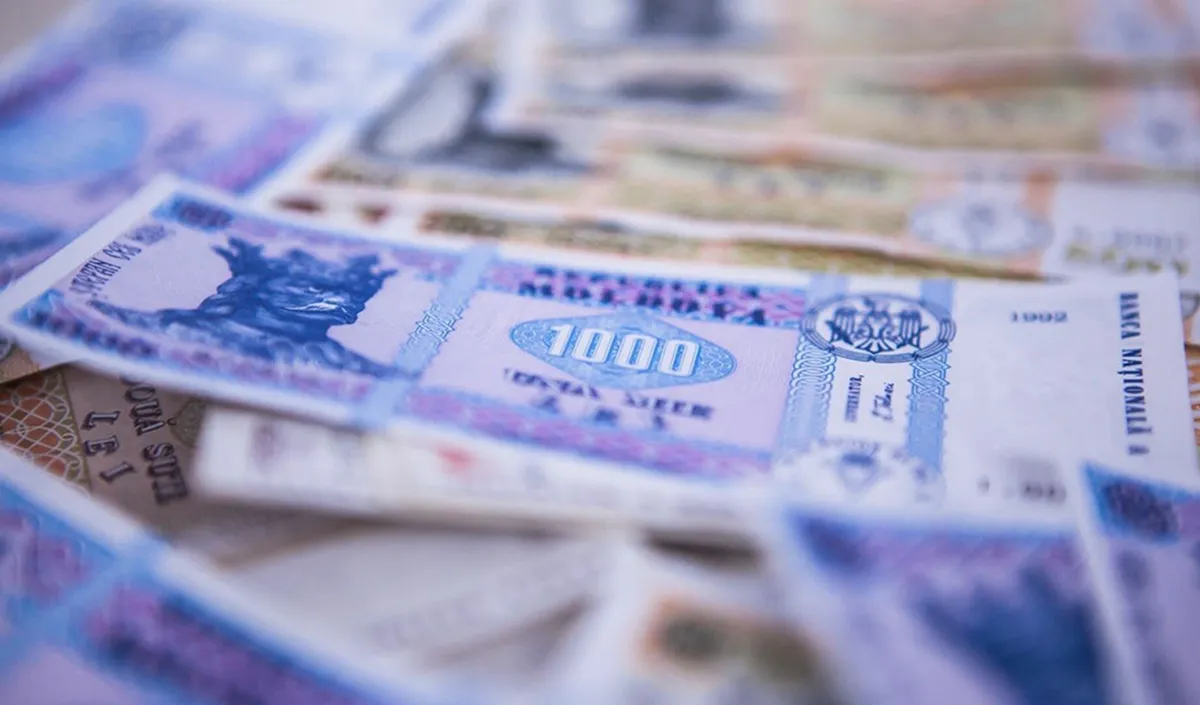
Formally, the law capped a board member’s remuneration at one minimum national wage of 6,200 lei. In practice, however, this limit was easily circumvented through multiple appointments, with individual officials serving on 7–9 boards simultaneously for years. As a result, the administrative board has become not a tool for monitoring the enterprise’s performance, but a mechanism for a guaranteed supplement to the basic salary.
‘As for pay rises: the top three companies in terms of the highest average salary per employee are MoldATSA, Energocom and Moldovagaz.
The largest pay rise over the last two years was at MoldATSA. In 2019, the average salary at MoldATSA was 32,000 lei, and it currently stands at around 63,000 lei. The most significant increase – 71 per cent – has occurred over the last two years,” said Dinu Plîngău.
A ‘counter-report’ is to be produced
Deputy Speaker of Parliament Vlad Batrincha was critical of the commission’s interim findings, pointing out that the essence of law enforcement is being lost amid high-profile political statements. In his view, the commission – whose chair represents the ruling party – only had time to examine three enterprises. Moreover, the situation at these sites had long been the subject of public discussion, so no large-scale ‘investigations’ were needed to understand what was happening there.
“Salaries on administrative boards exceeding one and a half to two million lei a year – and this is in the Republic of Moldova, where they say the pie is small and there isn’t enough to go round… There must be at least some justification. Or are we not interested in how such a salary is calculated? It’s simply brazen,’ says Batrință.
The opposition insisted that this committee be headed by one of its own representatives — partly so that the education and qualifications of the appointees could be thoroughly scrutinised.
“But I already realise that the commission’s report will be rather ‘philosophical’, leaning towards the tasks of parliament: they’ll say we need to improve the legislation. But what’s the point of changing the laws if they aren’t enforced? And what’s the point if some agency heads place themselves above the law and simply ignore it?!” added the Deputy Speaker.
The opposition has promised to present a ‘counter-report’ and has proposed a package of tough measures: to prohibit any one person from serving on more than one council, to reduce the size of councils to between three and five members, and to introduce a salary cap for heads of agencies, whose salaries currently reach up to 150,000 lei a month without any clear link to their performance.
The guiding principle of the investigation
Both the government and the opposition are in agreement: the final outcome of the commission’s work should not be yet another set of formal recommendations, but a precise and comprehensive inventory of state assets. Such an audit would be most timely for the new Minister for Economic Development and Digitalisation, Claudiu Năsui, who has declared liberalisation and privatisation to be his top priorities.
And, of course, a fair conclusion to this investigation must be the establishment of personal accountability for those at fault, with specific evidence being handed over to the law enforcement authorities.
…And always bear in mind the most important principle of any investigation…
Follow our updates
Have information for the newsroom? Share it with Logos-Press












Comments
0No comments yet. You can start the conversation.
Comments are open to readers with a Logos Press account.
Sign in to comment