


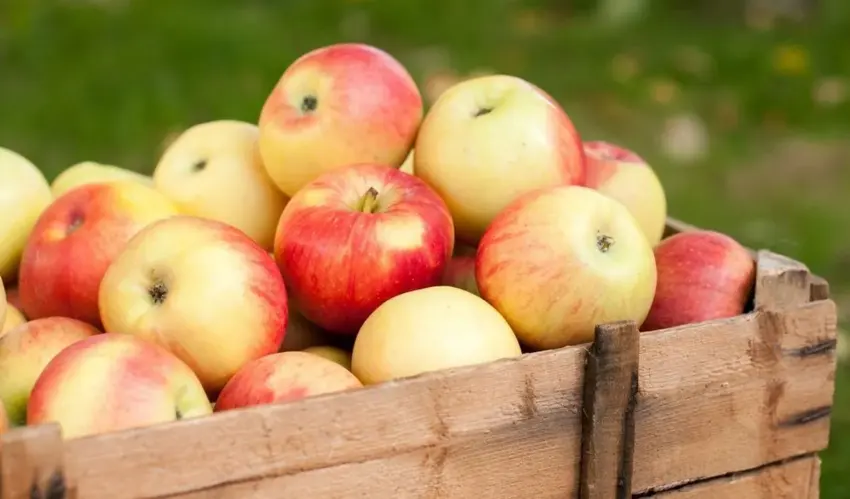
This is stated in the Fresh Deciduous Fruit Annual report by the US Department of Agriculture (USDA). The main reasons for the decline in production were adverse weather conditions, which negatively affected yields in apple orchards in the leading producing countries. A further factor contributing to the decline in production is the reduction in the area under apple orchards. In the 2026/27 season, the area under harvest in the European Union is forecast to fall by 1.4 per cent.
Poland, which remains the EU’s leading apple producer, has suffered the greatest losses. In the 2026/27 season, Polish fruit growers are forecast to harvest around 2.9 million tonnes of apples, which is 24 per cent less than in 2025 (3.8 million tonnes). A significant reduction in production is also expected in Germany, where the harvest will fall by 22 per cent to 890,600 tonnes. In France, apple production is forecast at 1.375 million tonnes, which is 14 per cent lower than the previous season’s figure. Italy, one of Europe’s largest producers of this crop, is expected to harvest 2.269 million tonnes – a fall in production of approximately 2 per cent.
The decline in the harvest will also affect the external trade in apples. The USDA forecasts that in the 2026/27 season, imports of this product into the European Union will increase by approximately 15 per cent due to a reduction in domestic supply. At the same time, exports of European apples will fall against a backdrop of lower production volumes and increased competition from other suppliers, particularly Turkey. Limited supply may create conditions for price support on the European market, although future trends will depend on demand, crop quality and import volumes, reports the ukragroconsult agency, citing Agf.
Note from Logos Press: In Moldova, according to expert estimates, the 2026 apple harvest will exceed last year’s by 17–18 per cent and amount to around 526,000 tonnes.
Follow our updates
Have information for the newsroom? Share it with Logos-Press

























Comments
0No comments yet. You can start the conversation.
Comments are open to readers with a Logos Press account.
Sign in to comment