


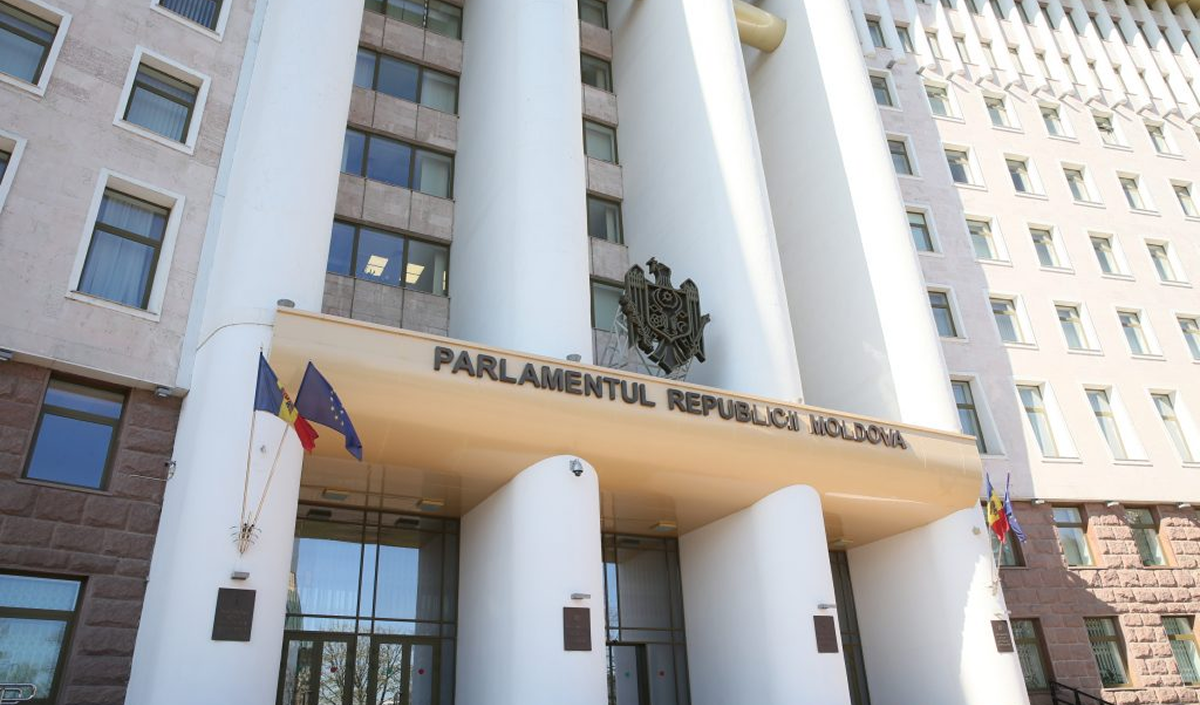
This is provided for in the draft law drawn up by the Ministry of Economic Development and Digitalisation. Public consultations on the document took place on 13 November.
The draft bill provides for the transposition of EU Directive 2024/1760 on corporate due diligence in sustainability matters, taking into account subsequent amendments.
According to the draft, the main obligations will apply to large enterprises in Moldova with more than 5,000 employees and a global net turnover exceeding 1.5 billion euros. Separate conditions are set out for companies from third countries operating within the republic.
Small and medium-sized enterprises will not be directly subject to these requirements. However, they may find themselves indirectly involved in the process – as suppliers or other business partners of large companies obliged to comply with the new regulations.
Accountable not only for themselves, but also for their partners
The draft law provides for the introduction of due diligence mechanisms, which must become part of companies’ internal policies and working processes.
In particular, businesses falling within the scope of the law will be required to:
– identify the adverse impacts of their activities on human rights and the environment;
– assess the risks associated with the activities of subsidiaries and business partners within their value chains;
– take measures to prevent and mitigate any identified adverse impacts;
– ensure that the consequences of any adverse impacts are remedied where required;
– integrate the principles of sustainable development into internal management policies and procedures.
Consequently, corporate responsibility will be considered not only in the context of companies’ own operations, but also taking into account the activities of affiliated enterprises and partners across business supply chains.
For Moldovan suppliers, this may mean having to adapt their internal procedures and provide business partners with the information necessary to assess environmental and social risks. That said, the specific requirements for such suppliers will depend on the final version of the law and the applicable mechanisms for its implementation.
The requirements are to be introduced in stages
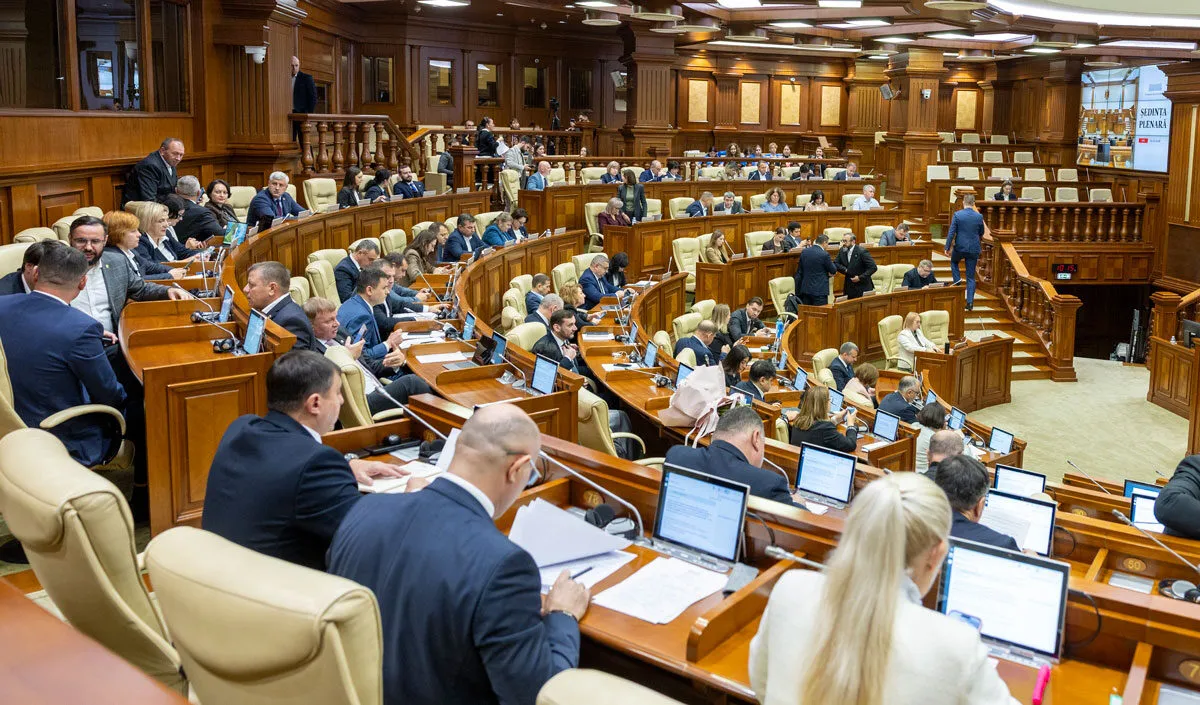
During public consultations, representatives from the business community, government bodies, civil society and the academic sector reviewed the main provisions of the draft law and submitted comments and recommendations regarding the clarity and practical applicability of the proposed regulations.
The introduction of these obligations is envisaged in stages, taking into account Moldova’s EU accession process. The draft also sets out deadlines for establishing the institutional framework and for businesses to implement the requirements.
The Ministry of Economic Development and Digitalisation intends to continue consultations with stakeholders in order to find balanced solutions and refine the document before its finalisation.
The adoption of the law is intended to form part of the process of aligning Moldova’s business environment with European sustainable development requirements. For large enterprises, this means a potential expansion of their responsibilities regarding the management of social and environmental risks, whilst for companies operating within their supply chains, it implies a possible tightening of requirements from business partners.
Follow our updates
Have information for the newsroom? Share it with Logos-Press





















Comments
0No comments yet. You can start the conversation.
Comments are open to readers with a Logos Press account.
Sign in to comment