


Quotas for the import and production of hydrofluorocarbons (HFCs) will be allocated by the Environment Agency.
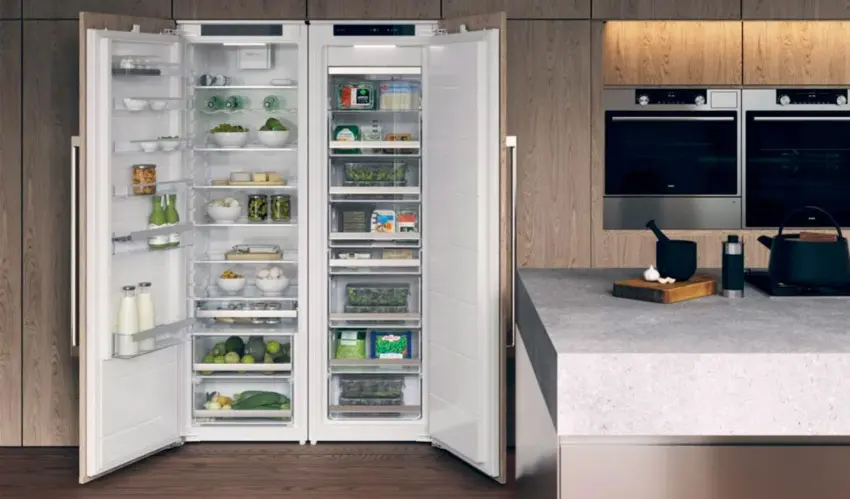
From 1 January 2028, it is proposed to ban the import and export of fluorinated gases and equipment containing them to and from countries that have not undertaken the obligations set out in the Montreal Protocol. From 2030, restrictions will be introduced on the sale of certain categories of refrigerators, freezers, air-conditioning units, heat pumps and other equipment. The bans will be phased in gradually, up to 2035. Separate restrictions on certain electrical switches will come into force from 2030 and will be extended until 2036.
Companies that manufacture, import, supply or use these gases will have to register with the Automated Information System ‘Register of Chemical Products Placed on the Market of the Republic of Moldova’ (SIA REPC) and submit annual reports to the Environment Agency. The deadline for submitting these reports will be 31 March. Companies that install and repair such equipment will be required to hold the relevant certificates, and specialists will need to confirm their professional qualifications.
Stricter labelling requirements will also be introduced. The equipment will have to indicate the type and quantity of gas used, as well as the purpose for which it is used. The draft legislation regulates separately the import and export of these products and the control of their circulation on the market.
The amendments aim to bring national legislation into line with European Union standards. The draft is due to be considered in a plenary session of Parliament.
Under the Paris Agreement on climate change, the Republic of Moldova has committed to reducing greenhouse gas emissions by 70 per cent by 2030 compared with 1990 levels. To achieve this target, the country is gradually reducing its imports and consumption of hydrofluorocarbons, in accordance with the timetable set out in the Montreal Protocol, to which 197 states and the European Union are parties.
Follow our updates
Have information for the newsroom? Share it with Logos-Press

























Comments
0No comments yet. You can start the conversation.
Comments are open to readers with a Logos Press account.
Sign in to comment