


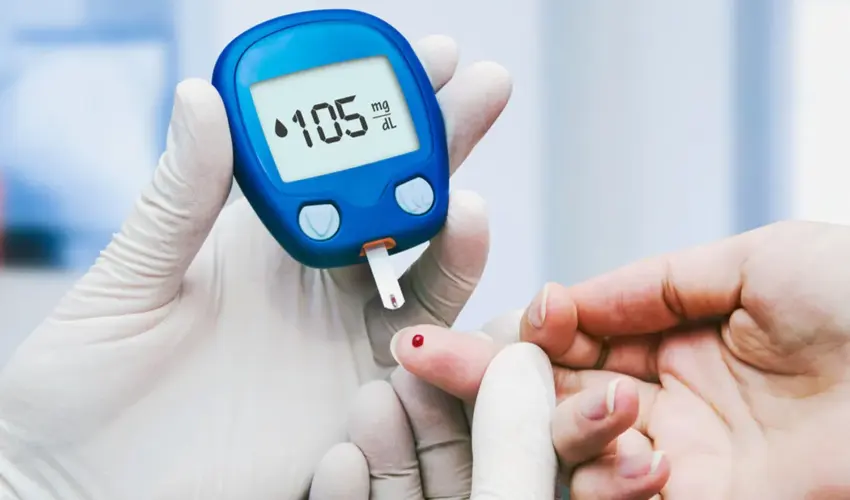
Currently, patients with diabetes have access to 19 international non-proprietary names (INNs) of reimbursed medicines. These include antidiabetic preparations in the form of tablets and injections, as well as reimbursed medical devices: test strips and lancets for measuring blood glucose, sensors for continuous monitoring of blood glucose levels, and needles and syringes for administering insulin. These products are reimbursed even for those without health insurance.
In 2026, the list of reimbursed medicines was expanded to include a new combination of active substances, Sitagliptinum + Metforminum, intended for the treatment of type 2 diabetes. Furthermore, since June, children and young people with type 1 diabetes, aged up to 25, have been provided with sensors for continuous glucose monitoring, funded by the AOAM. These devices allow for constant monitoring of blood glucose levels and reduce the need for repeated finger pricks.
Access to treatment and patient supervision are provided by the GP and an endocrinologist. Insured persons are entitled to free medical services, including emergency, primary, outpatient and inpatient care, specialist services and home care. Uninsured people with diabetes can receive free emergency and primary care.
Preventing the disease also involves the early detection of elevated blood glucose levels. People aged over 40 and those in high-risk groups are eligible for preventive blood glucose screening as part of primary healthcare. Identifying prediabetes enables early intervention and reduces the risk of developing diabetes.
Furthermore, the National Health Insurance Company (CNAM) funds projects to promote a healthy lifestyle, focusing on public awareness and the prevention of non-communicable diseases. A balanced diet, regular physical activity and regular monitoring of blood glucose, blood pressure and cholesterol levels help to maintain good health and prevent diabetes.
Every year, around 10,000 new cases are diagnosed in the Republic of Moldova, and the trend is rising. Diabetes is a major cause of heart attacks, strokes, kidney failure and lower limb amputations, reducing life expectancy by up to ten years.
Follow our updates
Have information for the newsroom? Share it with Logos-Press


























Comments
0No comments yet. You can start the conversation.
Comments are open to readers with a Logos Press account.
Sign in to comment