


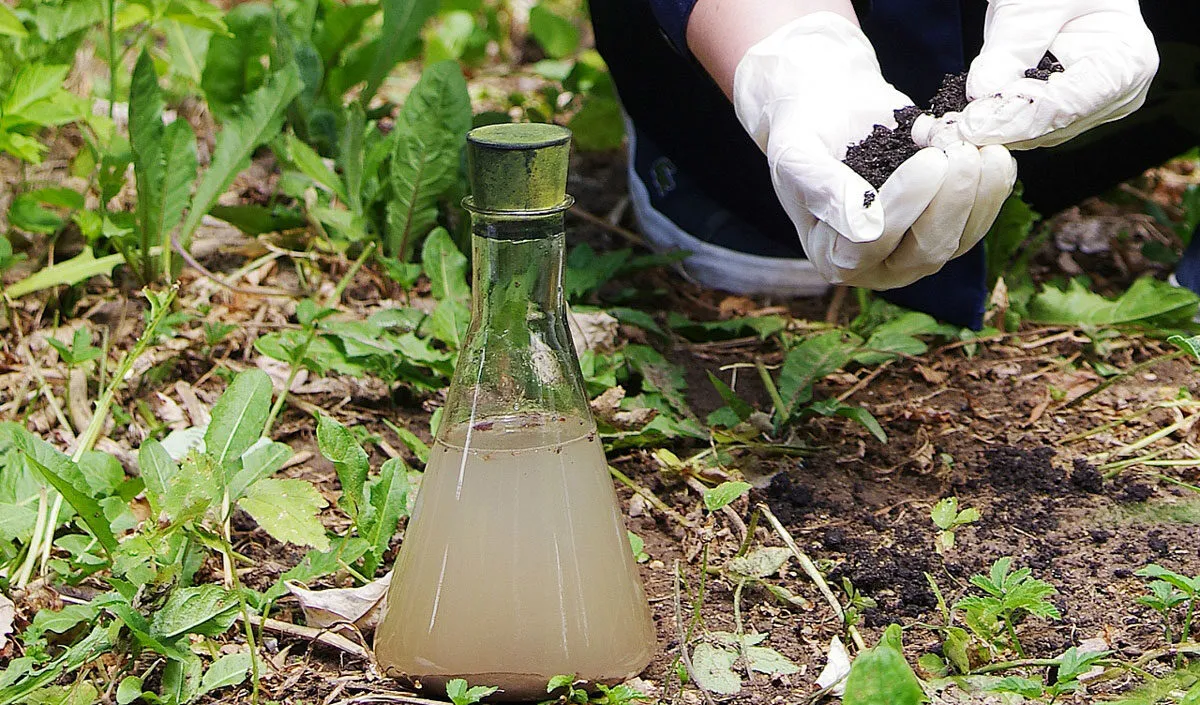
These activities are carried out as part of the ‘Land Degradation Neutrality’ project, implemented by the Food and Agriculture Organisation of the United Nations (FAO) with financial support from the Global Environment Facility (GEF).
Data on soil erosion and humus loss in the Republic of Moldova are patchy. The last nationwide soil survey was carried out several decades ago, and the situation has clearly changed since then.
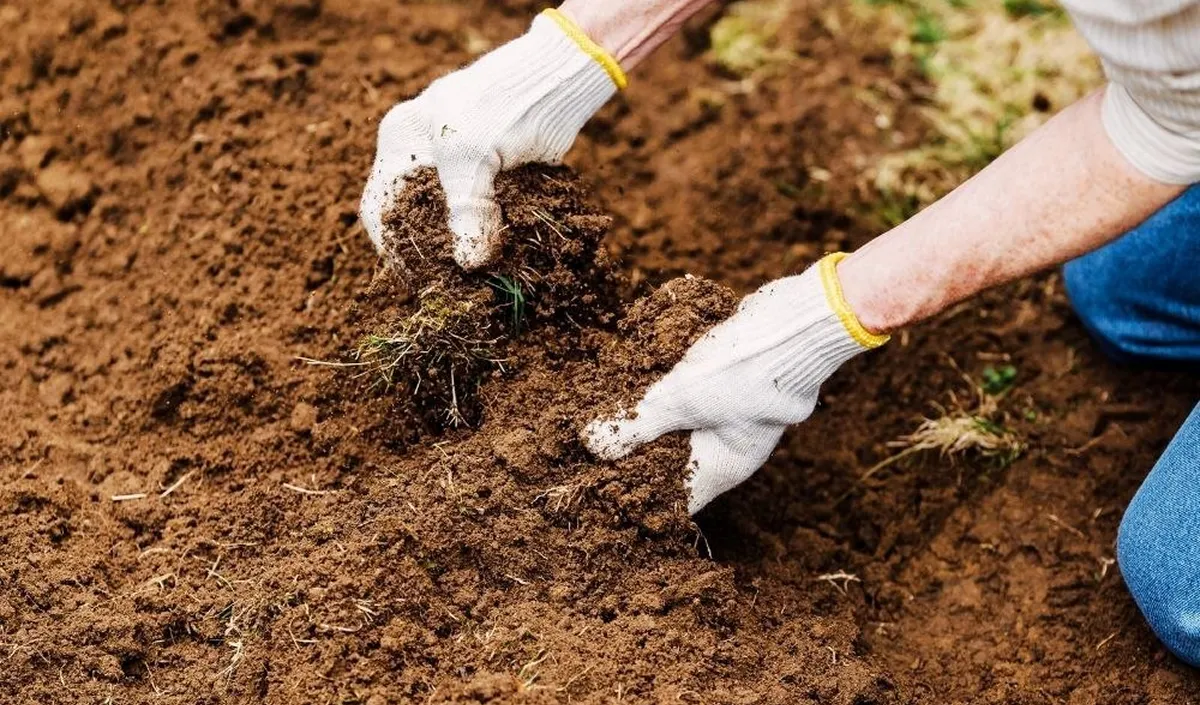
The six sites selected in the aforementioned districts will help to assess soil conditions at a local level. At each site, experts are describing the soil profile layer by layer and taking samples for analysis against 11 key indicators. Once the results have been scientifically validated by the IP INCAAMV institute, the georeferenced data will be prepared for integration into the ‘Soil Register of the Republic of Moldova’ information system and the National Spatial Data Infrastructure geoportal. The data will comply with the European INSPIRE standard and will be freely available to farmers.
The entire field research cycle is scheduled to last 120 days. The field phase will be followed by laboratory analyses, data verification and the preparation of six reports. The project aims to develop a model that can subsequently be scaled up to cover the entire national soil science network. A network of approximately 136 monitoring sites will be required nationwide.
“With the support of the FAO, we are reintroducing soil monitoring into our day-to-day practice and implementing standardised field and laboratory procedures that can be replicated at every site across the national network,” noted Svetlana Getmanchenko, Director of ANIF.
The ‘Land Degradation Neutrality’ project has been running since 2020. As part of the project, soil monitoring methodologies have been developed for a pilot area covering 95,000 hectares. It has also assessed the condition of protective forest strips and drawn up plans to restore approximately 130 hectares of such plantations, which protect more than 10,000 hectares of agricultural land. Under the project’s auspices, a strategy for achieving a neutral balance in land degradation processes and 32 local action plans have been developed. More than 1,600 farmers took part in the project’s activities aimed at introducing climate-smart agricultural practices.
This story was translated with the assistance of artificial intelligence.The translation was also reviewed by the Logos Press editorial team.
Follow our updates
Have information for the newsroom? Share it with Logos-Press

















Comments
0No comments yet. You can start the conversation.
Comments are open to readers with a Logos Press account.
Sign in to comment