


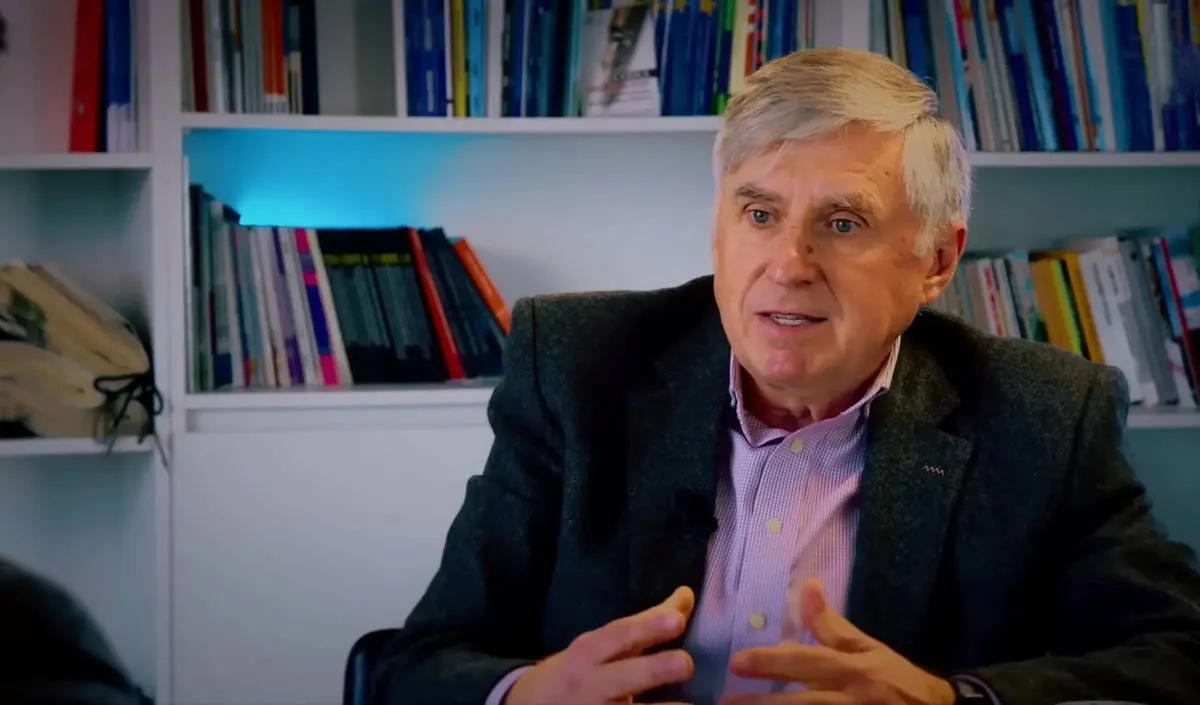
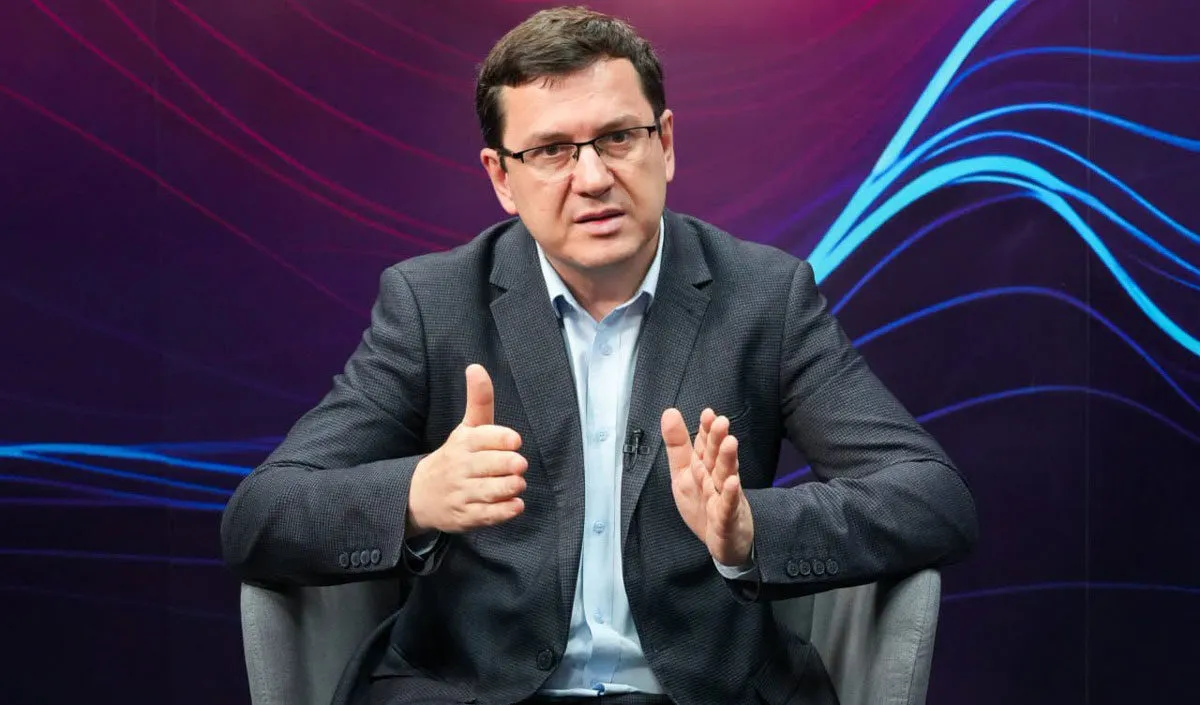
Ion Sturza. Photo Nokta
Sturza set out his assessment on Facebook, commenting on the debates surrounding budget and tax reform and the budget adjustments made by the new government. He noted that political rhetoric about downsizing the civil service, cutting excessive spending and eliminating inefficient state structures is coming up against a more complex budgetary reality.
According to the former prime minister, a significant proportion of budgetary expenditure has built up over a long period and is linked to social benefits, education, healthcare, public order and servicing the national debt. Therefore, he believes, it is impossible to cut these quickly through administrative decisions.
“It is one thing to engage in populist political rhetoric – a ‘flexible’ state, disproportionate salaries, sinecures in companies, unnecessary agencies, and now even compensation for the rich – and quite another to face the reality on the ground,” wrote Sturza.
The reality is that, compared to Romania, the structure of budgetary expenditure in the Republic of Moldova has developed gradually and, more often than not, on the basis of necessity. Consequently, there are no particular ‘excesses’ in it; these expenditures possess enormous inertia and cannot be cut with a chainsaw, the former prime minister remarks ironically. The bulk of expenditure goes towards social needs, education, healthcare, public order and debt servicing.
The key issue is the financing of the deficit
Commenting on the budget adjustment, as reported by Logos Press, Ion Sturza highlights the imbalance between revenue and expenditure. Whilst revenue is set to increase by approximately 600 million lei, expenditure will rise by 2.8 billion lei. As a result, the budget deficit will exceed 21 billion lei, or 5.95 per cent of GDP. This is significantly higher than the 3–3.5 per cent of GDP target which, according to Sturza, serves as the government’s benchmark.
The former prime minister emphasises that the budget deficit in itself is not necessarily the main problem. In his view, the key question is how it will be financed.
As one source of funding, Sturza mentions the proposed reduction of the guarantee for Energocom by 150 million euros. He believes this could mean a significant withdrawal of resources from the state-owned energy company on the eve of winter and against a backdrop of rising gas prices.
At the same time, he estimates that public debt exceeds 160 billion lei, whilst the cost of servicing it amounts to around 6.5 billion lei.
Sturza also writes that the pay rise for civil servants provided for under the new pay system may be postponed. According to him, one-off payments of 2,000–4,000 lei for low-income citizens will remain in place.
Economic growth remains the key prerequisite
‘The only solution would be sustainable economic growth based on investment. Is this realistic in the short term? I doubt it, until we start knocking on investors’ doors. Perhaps 1.5 per cent this year and around 2 per cent next year. And this growth will be wiped out for citizens by severe inflation – according to the NBM, almost 10 per cent,” notes the former Prime Minister of Moldova in this regard.
At the same time, he points out that, contrary to this need and expectations, economic incentives are being cut back, as is the grant component, including foreign grants. Most importantly, the government has still not presented a concrete plan on how it intends to stimulate economic growth.
In this regard, Sturza takes a cautious view of the country’s short-term prospects.
“The only truly good news is the exceptional grain harvest and the opportunity to export at much higher prices than in previous years. But there is also bad news for the budget: in the fourth quarter, there will be a flood of VAT refund claims,” writes Ion Sturza.
Summarising all these factors, the former prime minister calls on the government to make public statements about its objectives and plans, and to ensure that discussions on the budget and tax policy are more realistic and pragmatic. He believes that structural changes and the reduction of inefficient spending will take time, and that any noticeable effect from them may only become apparent in two or three years’ time.
He concludes his post on a moderately optimistic note:
‘The government’s track record gives me reason to believe that it will do everything necessary to achieve economic growth based on investment and structural reforms. We will have a “leaner” state, free from self-interest, excessive salaries and those who benefit from state aid.
But this will take time and require our patience. We will only feel the results in two or three years’ time. Much to the chagrin of the current leaders, from a political point of view, and to the delight of those who will come after them.
I know what it’s like. I’ve been through it myself. Personally, it pains me, but it’s good for the country.
Let’s be patient, and everything will be fine!”
Follow our updates
Have information for the newsroom? Share it with Logos-Press




















Comments
0No comments yet. You can start the conversation.
Comments are open to readers with a Logos Press account.
Sign in to comment