


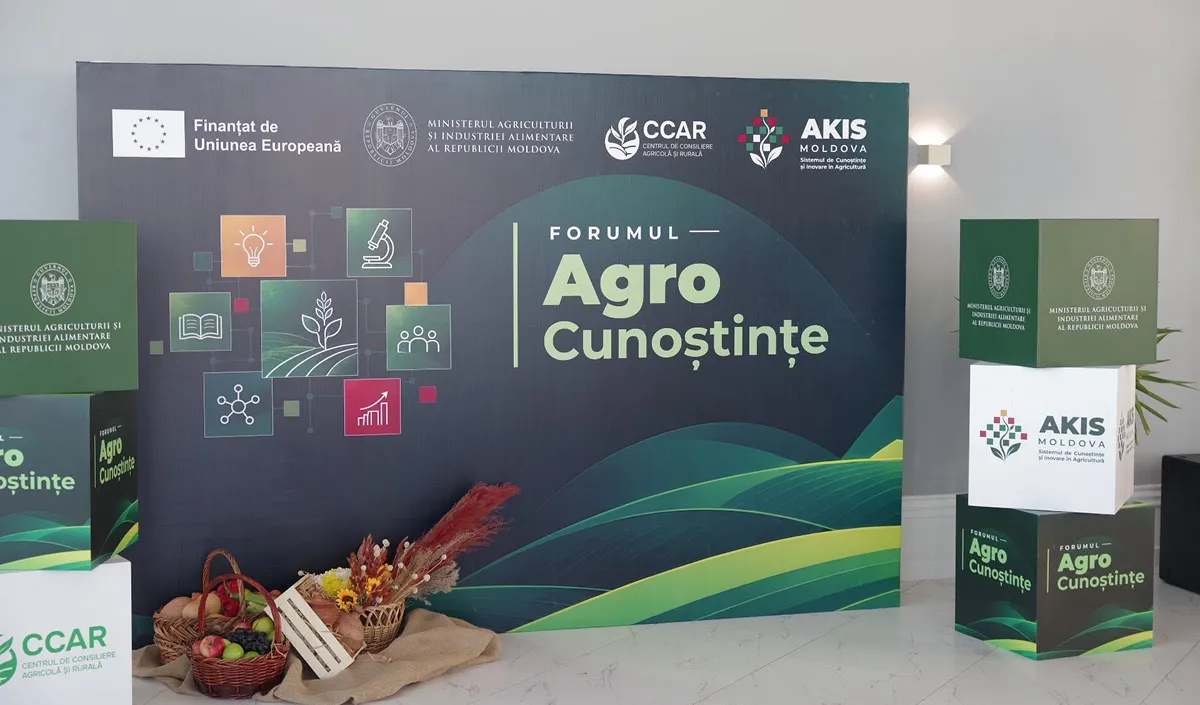
The clarification in brackets is of key importance, as the issue of ownership rights to agricultural land falls, in a certain sense, ‘within the remit’ of the Ministry of Agriculture. Given Moldova’s limited natural resources, this land is undoubtedly an asset, with all the possible implications for market dynamics. In other words, the significance of the issue put forward for consultation by MAIA with interested individuals and legal entities was evident.
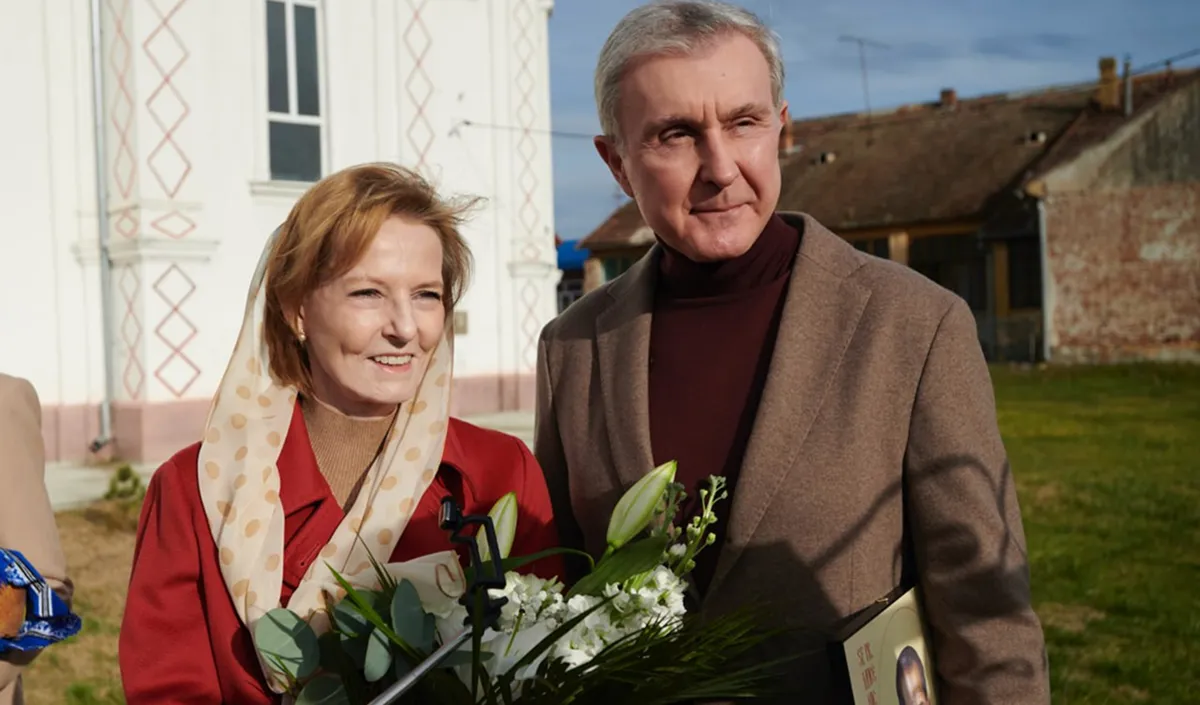
It is all the more surprising, then, that – judging by the photographs and feedback from the event – it did not generate much interest among business associations in Moldova’s agri-food sector. The conference hall was not full. A reasonable question arises: why?
According to Alexander Slusar, director of the Association of Grain and Oilseed Producers ‘Forța Fermierilor’, given the current very short-term planning horizons, Moldovan agribusinesses are primarily concerned with practical problems requiring urgent solutions. This applies even to medium-to-large-scale businesses with foreign ownership. Among these issues are the prospects of receiving the promised subsidies by the end of this year or within the first two to three months of next year; the ability to secure ‘cheap money’ to purchase production resources for the coming agricultural season; the possibility of selling the 2026 harvest’s agricultural produce under more or less favourable market conditions at reasonable prices, and so on.
The hypothetical issue of protecting domestic farmers’ rights to their own land (and, in the long term, that of their immediate neighbours) also concerns them, but to a lesser extent. ‘As one member of our organisation – who, incidentally, is originally from Northern Europe – put it, land ownership rights rank 11th on our list of the ten “most pressing issues”’, summarised Alexander Slusar.
All the more so because, according to him, none of the experts from the relevant ministries and departments is currently able to answer the question: what percentage of Moldova’s agricultural land is directly or indirectly owned or used by foreign residents through affiliated persons?
As recently as eight to ten years ago, individuals associated at the time with the association of foreign investors claimed that, through long-term lease agreements and/or Moldovan subsidiaries, foreigners already controlled almost a third of all agricultural land in Moldova.
Admittedly, as representatives of agri-food associations rightly point out, control does not necessarily mean ownership. Consequently, the issue of the ‘free movement of capital’ in the context of European integration remains highly relevant.
A moratorium – and what next?
During a meeting with agribusiness representatives at MAIA, the Republic of Moldova’s negotiating position was presented, which envisages a request for a 30-year transition period (starting from the date of accession to the EU) regarding the acquisition of agricultural land by non-residents. As Logos Press previously reported, this position had already been outlined during an extended meeting at the Chamber of Commerce and Industry of the Republic of Moldova.
According to the proposal by the Moldovan authorities, a complete ban on the acquisition of land by non-residents will remain in force for the first 25 years following accession to the EU. This period is necessary to strengthen rural credit systems, support small farms and improve access to agricultural land for farmers in the Republic of Moldova.
It is then proposed that, over the following five years, the land market be gradually opened up to EU residents “genuinely engaged in agricultural activities, subject to obtaining prior authorisation or meeting certain requirements regarding a minimum period of residence”, as specified in the MAIA statement following the meeting.
Upon completion of the 30-year restriction period, the process of liberalising the land market will continue – subject to an analysis of its impact on the market. At the same time, the possibility of applying safeguard mechanisms in particularly sensitive areas will remain.
In this regard, representatives of agricultural associations spoke in favour of “regulated liberalisation, involving clear eligibility criteria for investors, conditions for land use and restrictions on the total area of plots that may be acquired”.
Furthermore, the associations and representatives of the business community expressed their willingness to assist in substantiating the Republic of Moldova’s position in negotiations with European institutions by preparing proposals and recommendations that reflect the interests of the agricultural sector and the investors operating within it. In other words, associations in the agri-food sector – including Forța Fermierilor – have expressed an interest in delegating their representatives to Moldova’s negotiating team. In particular, they wish to follow the example of Poland, which secured maximum concessions on the ‘land issue’ upon joining the EU.
This story was translated with the assistance of artificial intelligence.The translation was also reviewed by the Logos Press editorial team.
Follow our updates
Have information for the newsroom? Share it with Logos-Press








Comments
0No comments yet. You can start the conversation.
Comments are open to readers with a Logos Press account.
Sign in to comment