


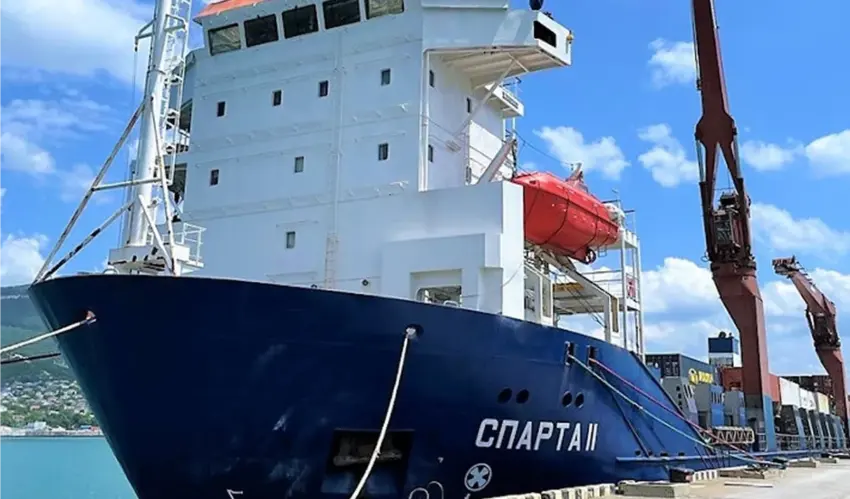
“The events involving the Sparta II vessel in the Gulf of Finland are serious,” commented Finnish President Alexander Stubb. He noted that he is in close contact with the leadership of Finland’s foreign and defence policy, the Armed Forces and the Border Guard. The Finnish President has already informed key partners and allies of this incident. This was reported by RBC-Ukraine, citing Yle.
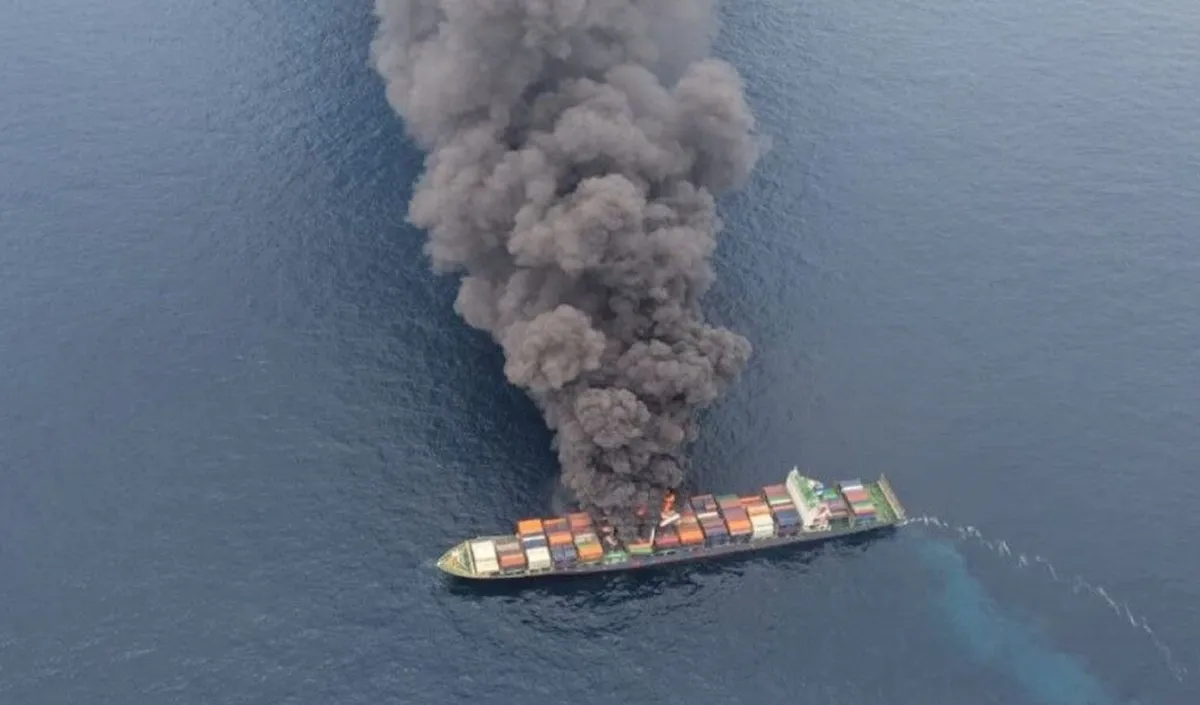
Whilst the attack on the Crimean Bridge was an attack directly on a symbol and only indirectly on freight transport (due to the collapse of the bridge’s arch into the waters of the Kerch Strait) in the Black Sea, the attack on the dry cargo ship in the Gulf of Finland is a clear attack on Russia’s agri-food exports via the Baltic Sea. It quite unequivocally demonstrates the feasibility of ‘Grain Deal 2’ in the current marketing season. However, it was also unequivocal that, as recently as last week, Ukraine’s Minister of Agrarian Policy and Food, Taras Vysotsky, advised Ukrainian farmers not to count on the resumption of large-scale exports of agri-food products via the ports of Greater Odessa before July 2027. In light of recent events in the Baltic region, this forecast appears all the more realistic.
Due to reduced export capacity via Black Sea ports, Russian grain traders are making increasingly active use of the Baltic terminals at Ust-Luga and Vysotsk. The growth in cargo volumes is already putting a strain on their infrastructure, whilst the threat of further attacks could lead to higher freight and insurance costs and complicate operations for carriers. The Baltic Sea, which has become an important alternative route for Russian grain exports, is facing new security risks.
Against this backdrop, only the Far Eastern and Arctic ports, which are remote from the main areas of hostilities, remain relatively safe for Russian shipping for the time being. However, due to their geographical location, high transport costs and relatively low volumes of grain transhipment, they cannot fully replace the Black Sea and Baltic routes, particularly for deliveries to markets in the Middle East and North Africa, concludes ukragroconsult.
Follow our updates
Have information for the newsroom? Share it with Logos-Press














Comments
0No comments yet. You can start the conversation.
Comments are open to readers with a Logos Press account.
Sign in to comment