


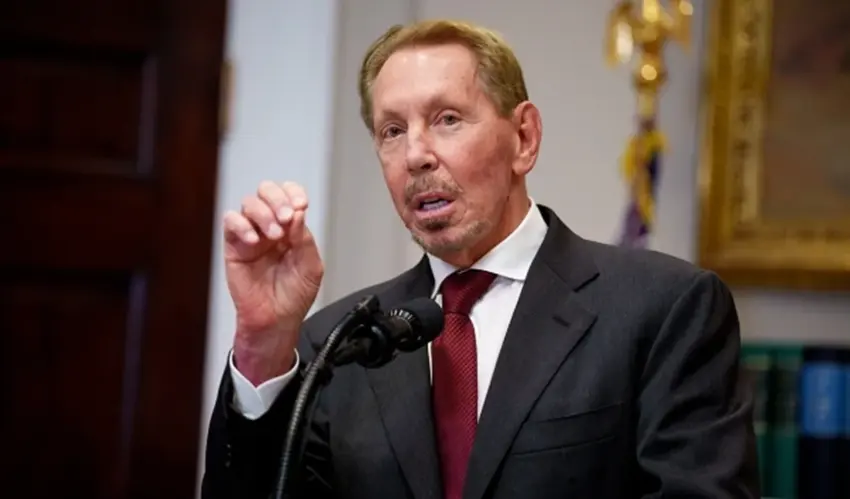
Larry Ellison Photo: Getty images
On 20 November, Oracle’s shares fell by 7.5 per cent, dropping to around $102 per share. This was the lowest level since January 2024. Since the start of 2026, the company’s share price has fallen by 47 per cent, according to Forbes.
The fall in share prices has affected Ellison’s position in the Forbes Real-Time Billionaires ranking. On Thursday, 19 November, the entrepreneur was in ninth place, but following a revaluation of his fortune, he dropped three places. He was overtaken by Walmart heirs Rob and Jim Walton, as well as Amancio Ortega, co-founder of Inditex, which owns the Zara brand.
Over the past three months, Ellison’s fortune has shrunk by approximately $40 billion. However, at the time of Forbes’ publication, his fortune still exceeded the estimated fortunes of Alice Walton ($138.3bn), investor Carlos Slim Helú ($122.5bn) and former Nvidia CEO Jensen Huang ($121.1bn).
Investors are concerned about Oracle’s AI spending
One of the factors putting pressure on Oracle’s shares has been its large-scale investment in artificial intelligence infrastructure. The company is actively expanding its cloud capabilities and building data centres; however, such projects require significant capital expenditure and funding.
According to Forbes, Oracle’s capital expenditure in the 2026 financial year amounted to around $55.7 billion. Over the same period, the company’s negative free cash flow reached approximately $23.7 billion, whilst its accumulated debt stood at around $125 billion.
Following the publication of its financial results for the fourth quarter and the full 2026 financial year in June, investors began to scrutinise more closely the rate of expenditure growth and the company’s need for funding for infrastructure projects.
In September 2025, Oracle’s share price rose to around $319 on the back of an increase in its cloud order book and growth in revenue from cloud infrastructure. The share price has now fallen to around $100, and its future performance will depend, amongst other things, on how convincingly the company can justify the scale of its investments in AI.
Not just Oracle
The fall in Oracle’s share price was part of a broader correction across the technology sector. During trading on 20 November, Micron’s shares fell by 12.6 per cent, AMD’s by 11.2 per cent, Broadcom’s by 10.9 per cent and Nvidia’s by 7 per cent.
The day before, the S&P 500 index, in which technology companies hold significant weight, fell by 140 points to its lowest level since April.
This situation shows that the growth in investment in artificial intelligence is driven not only by expectations of future earnings, but also by increased scrutiny of infrastructure costs, debt burdens and companies’ ability to convert capital expenditure into a sustainable cash flow.
Follow our updates
Have information for the newsroom? Share it with Logos-Press

























Comments
0No comments yet. You can start the conversation.
Comments are open to readers with a Logos Press account.
Sign in to comment