


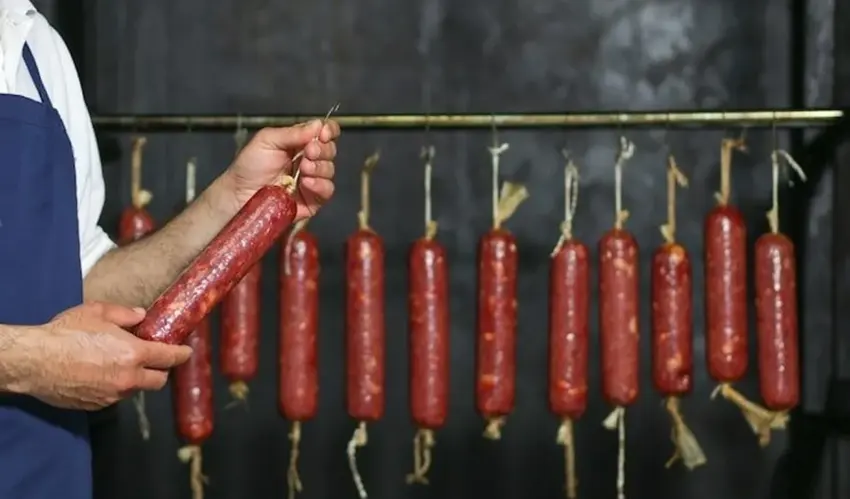
This document has been drawn up in accordance with the recommendations formulated by the European Commission following the ANSA audit, during which the official control system and compliance with sanitary and veterinary requirements for products of animal origin intended for export to the European market were assessed.
The aim of the guidelines is to ensure a uniform approach to the application of EU legislative requirements, to strengthen internal control systems at food industry establishments, and to address the shortcomings identified during the aforementioned audit.
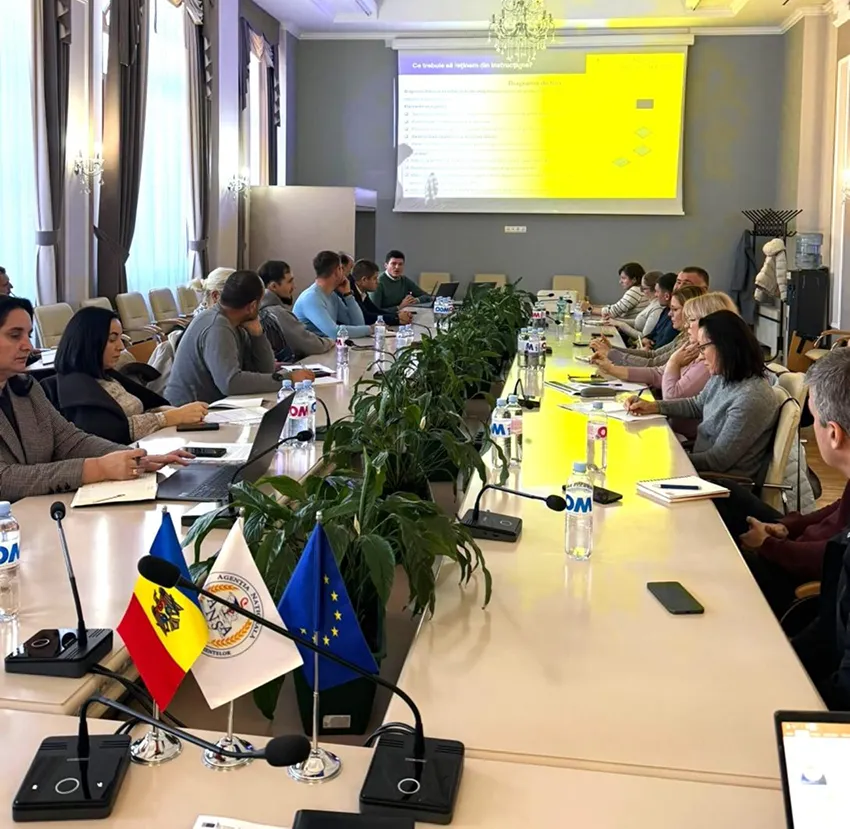
To implement this guidance, the ANSA agency held a training seminar this week for operators in Moldova’s meat processing sector on the implementation and maintenance of procedures based on HACCP principles. During the seminar, participants were briefed on both the provisions of the new directive and the applicable legislative requirements – EU Regulation 2020/692.
Particular attention was paid during the seminar to the following aspects:
- identifying and assessing risks associated with the technological processes involved in meat production;
- the identification and monitoring of critical control points in the production cycle, with a focus on heat treatment processes;
- scientific justification and validation of temperature-time parameters, including confirmation of the effectiveness of heat treatment regimes (Type D);
- implementation of procedures for monitoring, verifying and calibrating equipment used for temperature control;
- developing corrective actions in the event of deviations from critical limits;
- ensuring product traceability and maintaining the documentation necessary to demonstrate compliance with the requirements for export to the European Union.
Follow our updates
Have information for the newsroom? Share it with Logos-Press














Comments
0No comments yet. You can start the conversation.
Comments are open to readers with a Logos Press account.
Sign in to comment