

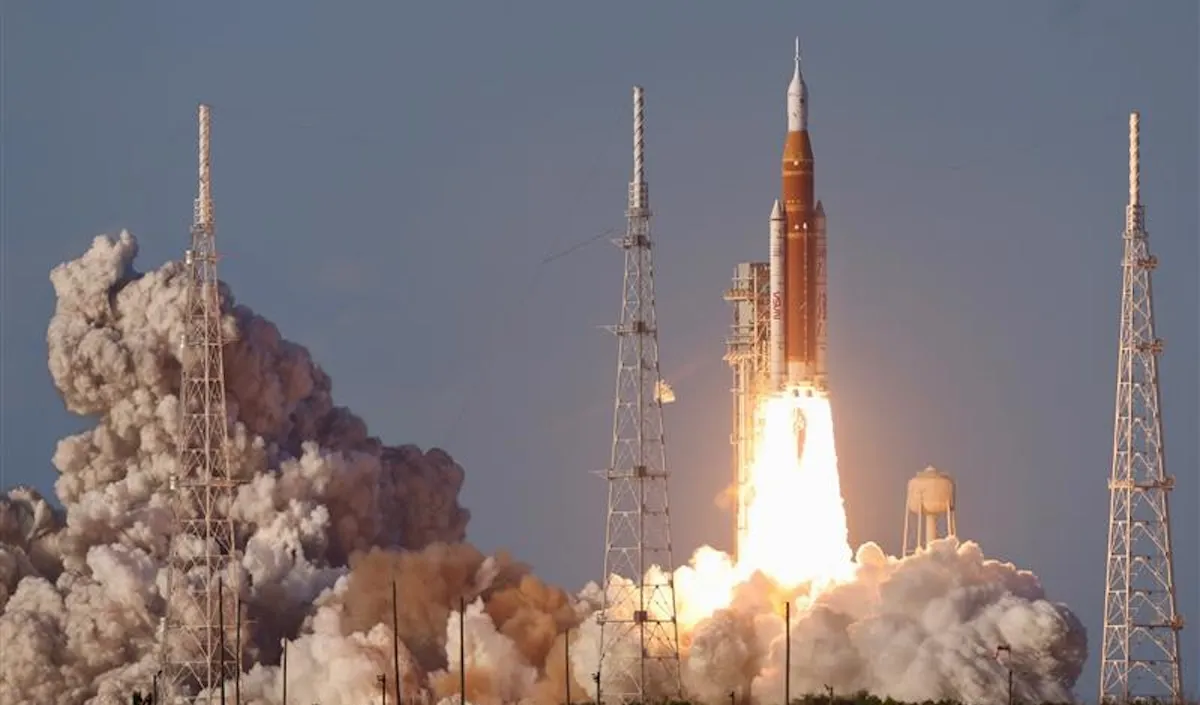
EU Member States have also granted the ESA an unprecedented mandate to use space technologies for non-aggressive security and defence purposes, including for monitoring external borders.
Building on this support, the ESA proposes that Europe take the next step: to develop the capability to launch its own astronauts into space.
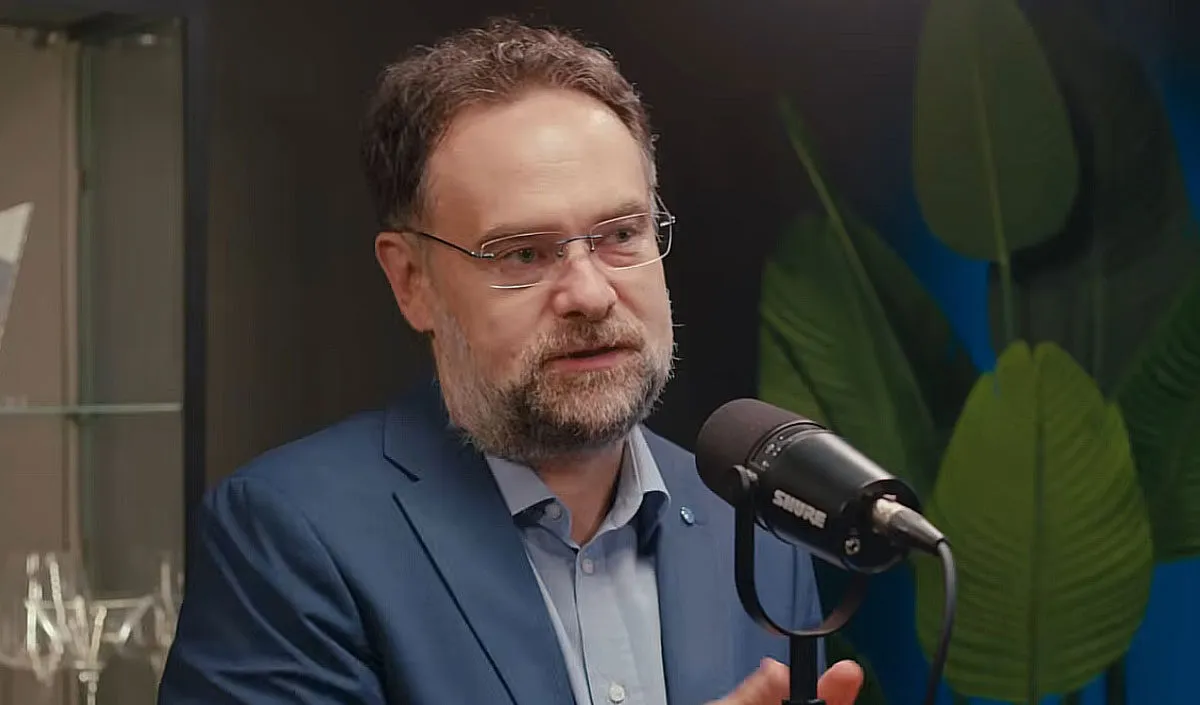
According to ESA Director General Josef Aschbacher, the EU space sector is valued at €600 billion and is growing by 10 per cent a year, opening up new opportunities for Europe.
“Why not do it ourselves?”
Since its foundation in 1975 (and the first astronaut flight in 1983), the European Space Agency has relied on international partners, including NASA and Russia, to launch astronauts. And although the arrangement has worked all these years, geopolitical tensions are pushing Europe to seek an alternative.
Today, only the US, China and Russia have the capability to send astronauts into space. But political tensions in relations with China and Russia leave the ESA dependent on the US.
In recent years, NASA has been collaborating with SpaceX to launch astronauts into orbit. One way or another, ESA astronauts currently travel into space on American spacecraft.
“SpaceX has already announced that it plans to phase out the Falcon 9 and Crew Dragon (manned spacecraft that carry astronauts into space) by around 2029,” Euronews quotes Josef Ashbacher as saying.
“This means that in a few years’ time, at the very least, we will no longer have this option. Perhaps other solutions will emerge that we are not aware of today.”
As a result, Europe faces uncertainty over how to travel into space in the future. The ESA is drawing up a plan to strengthen Europe’s position as a global space power by gaining the ability to launch its own astronauts independently.
Will the EU’s space autonomy benefit the economy?
Of course, this will not happen overnight and requires political approval from ESA member states to secure funding. But Europe is not starting from scratch. It already possesses significant technological expertise and world-leading programmes, such as Copernicus (Earth observation) and Galileo (a constellation of navigation satellites), as well as a highly skilled workforce.
At the same time, Europe does not have its own spacecraft or re-entry system to take astronauts into orbit and return them safely to Earth.
According to Josef Aschbacher’s estimates, with a budget of around 10 billion euros, the ESA could develop these independent capabilities over the next ten years. The ESA will have to spend billions of euros in any case. The question is how to turn these expenditure into investments in the European space industry, rather than simply a cost item.
The International Space Station is essentially a laboratory in orbit, where the ESA carries out a significant proportion of its most important scientific research. Once the station is decommissioned in 2032, it will likely be replaced by a commercial orbital station.
Without its own access to space, Europe will have to continue relying on purchasing seats on American spacecraft – the availability of which is unpredictable – and then leasing capacity on commercial stations to carry out research. These costs will amount to approximately €5 billion over the next decade.
“But this money is lost, or, let’s put it this way, is being spent outside Europe. That is why I would prefer to invest these funds in Europe, to strengthen our industry and increase Europe’s autonomy in this field,” he explained.
At the same time, Josef Aschbacher emphasised that this does not mean Europe is turning its back on international cooperation:
“We could even offer places to our friends and colleagues from Japan, Australia or other countries. I think Europe should consider this option as well – building up its own capacity and autonomy, not in order to isolate itself, but on the contrary, to be a strong international partner for other countries and agencies.”
This story was translated with the assistance of artificial intelligence.The translation was also reviewed by the Logos Press editorial team.
Follow our updates
Have information for the newsroom? Share it with Logos-Press











Comments
0No comments yet. You can start the conversation.
Comments are open to readers with a Logos Press account.
Sign in to comment