


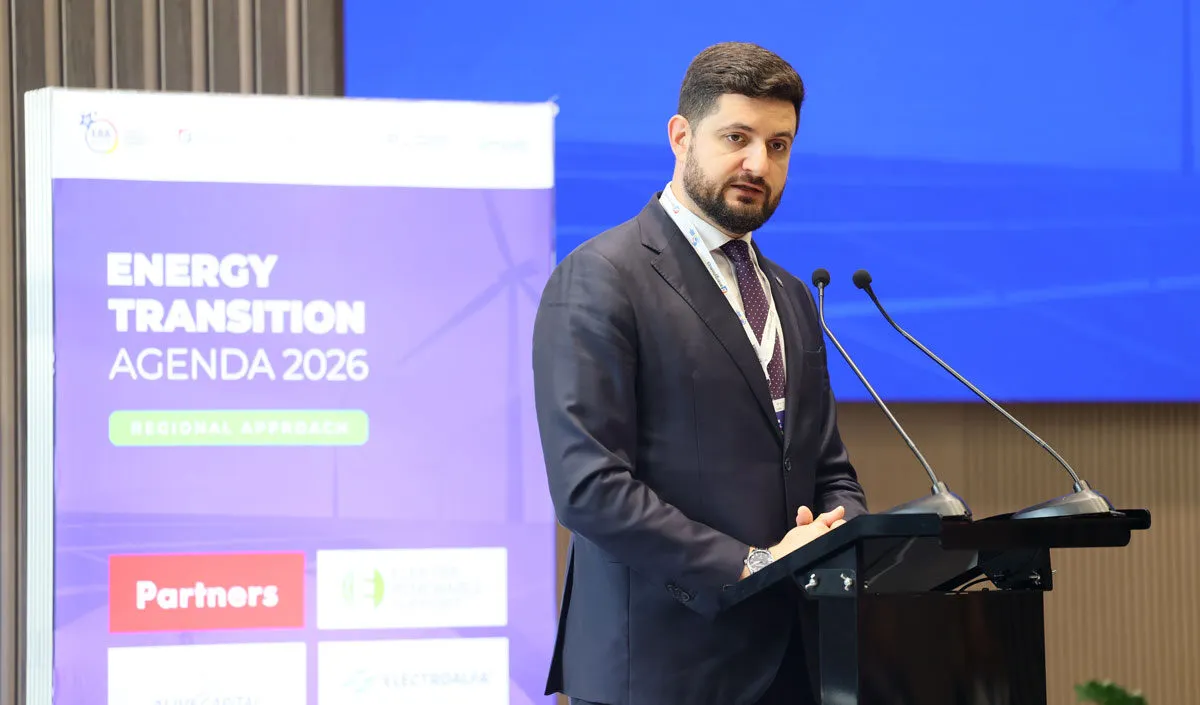
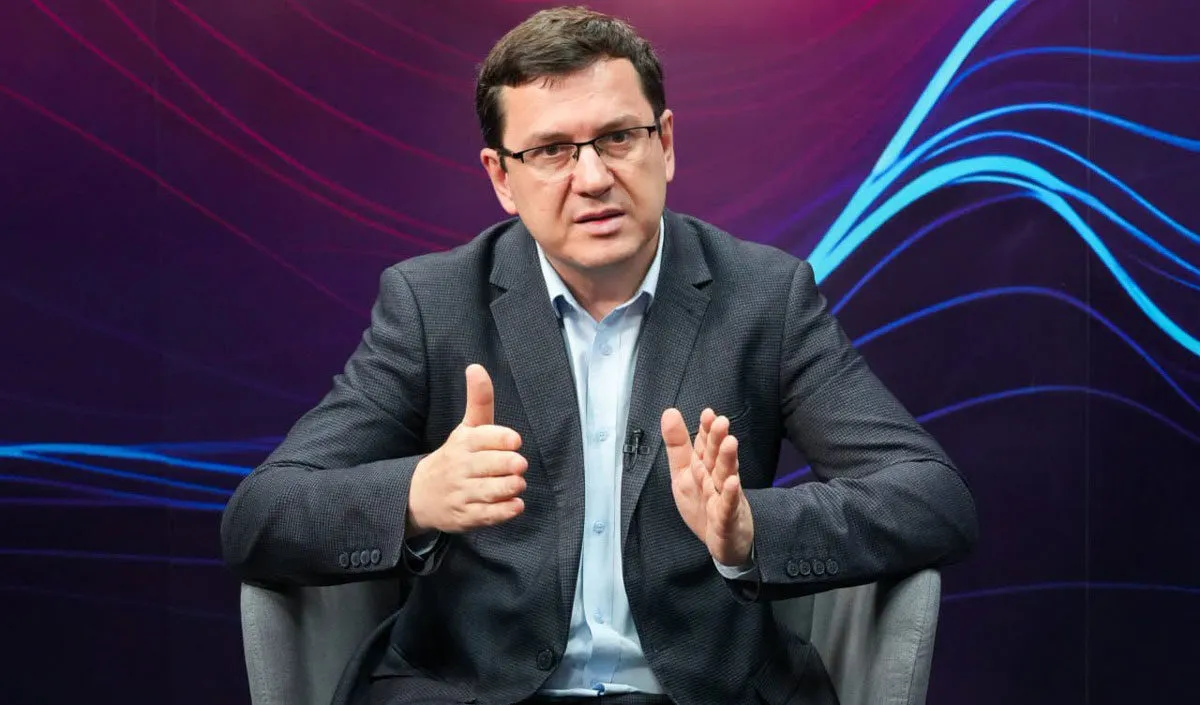
Dorin Junghietu
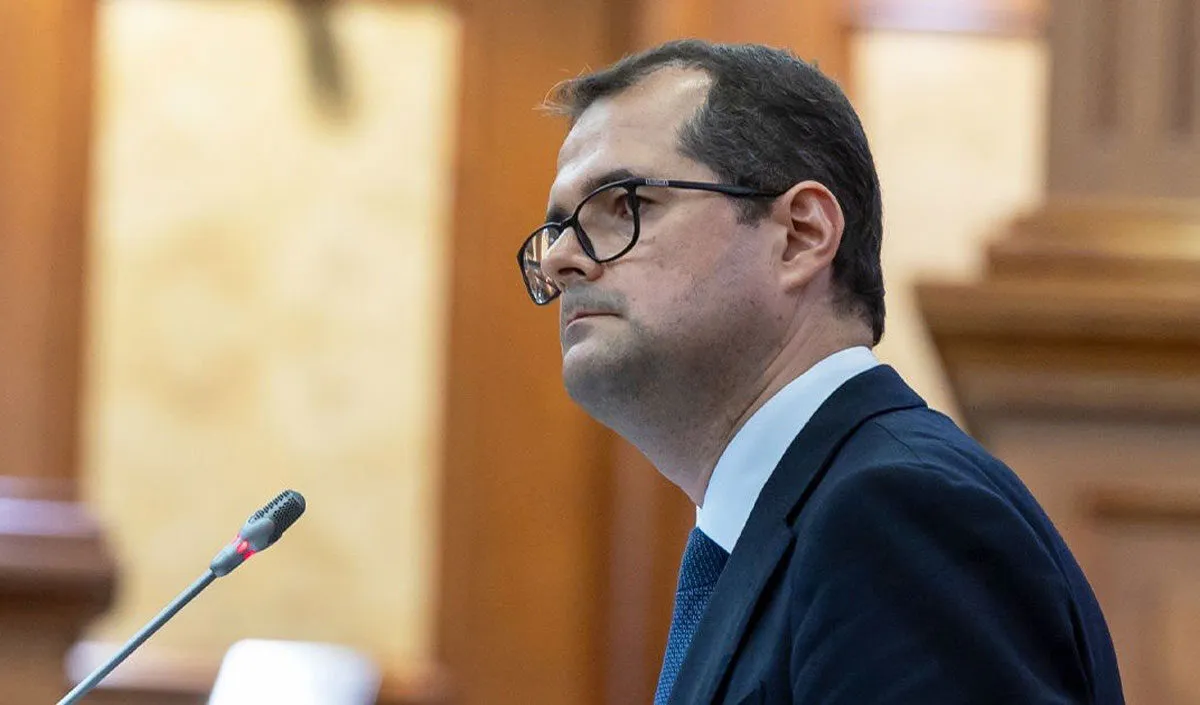
Energy cooperation with Romania and Ukraine, the development of a competitive market, and the integration of the Republic of Moldova into the European energy market are vital for reducing the country’s energy vulnerability and creating a more competitive investment environment. Dorin Junghietu emphasised that the development of local production must be accompanied by a functioning market in which producers, suppliers and consumers are afforded greater opportunities.
These statements were made at the opening of the 5th conference ‘The Energy Transition Agenda – A Regional Approach’, held today in Chișinău. The event brought together representatives of public authorities, energy companies and the business community from Moldova and Romania.
“The experience of recent years has shown us that energy security cannot be achieved in isolation, and the transition to a modern and competitive energy system is not confined by national borders. For Moldova, regional cooperation – first and foremost with Romania and Ukraine – is not merely a strategic option, but an economic necessity and a security imperative,” stated Dorin Junghietu.
The current situation
In his speech, the minister reviewed the changes that have taken place in the energy sector in recent years, ranging from the diversification of sources and supply routes to the development of a competitive market and an increase in domestic production. These transformations have taken place against the backdrop of Russia’s war against Ukraine and instability in regional energy markets.
Moldova has exceeded 1,000 MW of installed capacity from renewable sources, which in the second quarter of 2026 covered 46 per cent of electricity consumption and accounted for 86 per cent of domestic production. The Minister emphasised that this growth must be supported by a market capable of processing the energy produced. In this context, the Moldovan Electricity Market Operator (OPEM), a subsidiary of OPCOM in Romania, is contributing to greater transparency in transactions and increased liquidity in the day-ahead and intraday markets.
“The development of generation must go hand in hand with market development. We are seeing increased liquidity in the day-ahead and intraday markets, which means more opportunities for generators and suppliers and more competitive pricing. The launch of the bilateral contracts market is just around the corner,” noted Dorin Junghietu.
What lies ahead
According to the minister, there were 432 market participants in the electricity market in the second quarter of this year. The next stages are aimed at transitioning large consumers to the competitive market from 1 July 2027 and integrating the Republic of Moldova’s electricity market with the European market by 2028. Integration will improve the efficiency of energy trading at regional level and expand supply options for consumers and businesses.
Dorin Junghietu also emphasised the need for more active consumer participation in the electricity market, including through the use of smart meters and differentiated tariffs, which allow consumption to be adjusted according to price. According to him, the development of technical solutions must be accompanied by consumer awareness campaigns and commercial offers that encourage the use of energy during periods when it is more readily available.
Speaking about the long-term outlook, the minister outlined the main objectives of the Republic of Moldova’s Energy Strategy up to 2050, recently approved by the government. The document envisages reducing dependence on energy imports from over 77 per cent to 40 per cent and increasing the share of renewable energy sources to at least 85 per cent of domestic electricity generation.
Achieving these objectives will require private investment, the development of storage capacity and the flexibility of the energy system, as well as closer cooperation between the authorities and the business community, including to adapt to European carbon emissions regulation mechanisms (CBAM and ETS).
This story was translated with the assistance of artificial intelligence.The translation was also reviewed by the Logos Press editorial team.
Follow our updates
Have information for the newsroom? Share it with Logos-Press











Comments
0No comments yet. You can start the conversation.
Comments are open to readers with a Logos Press account.
Sign in to comment