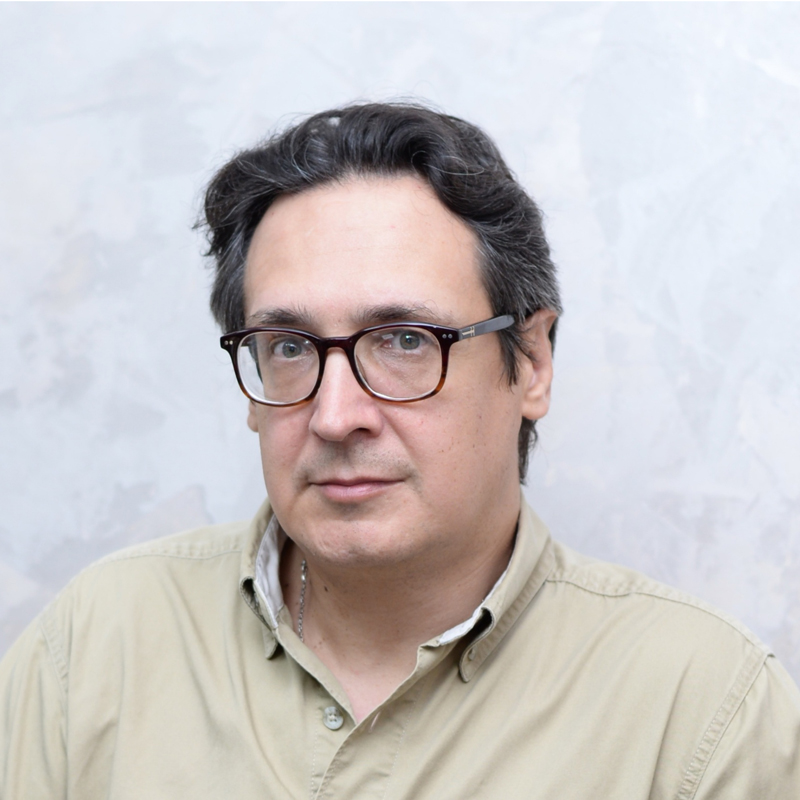

Tatyana Nistorica
Carolina Linte, Executive Director ofthe “Lapte”Association of Milk and Dairy Product Producers:
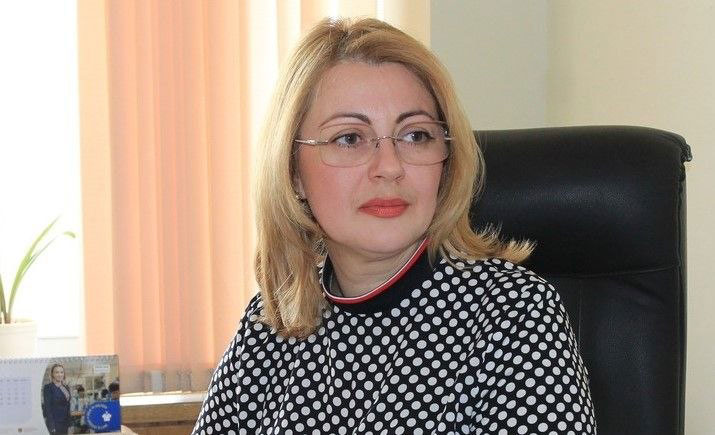
Carolina Linte
“I know Tatiana Nistorică as a skilled professional with experience working in both corporate agricultural organizations and the civil service. I amnot entirely satisfiedwith all aspects of her work as MAIAState Secretary overseeing the livestock sector. However, that is a separate issue. The first—and, in this situation, the most important—is the issue of the presumption of innocence, as well as the objective work of the state’s investigative and judicial bodies. I do not consider it appropriate for an employer (and a state secretary is a civil servant, not a political figure, unlike a minister) to draw organizational conclusions or make public statements of a certain nature before the investigation is complete and a court decision has been rendered. Moreover, as far as I am aware, it was the current minister who promoted Tatiana Nistorica to the position of state secretary. Does this mean that, at that time and subsequently, the head of the ministry did not give this important personnel matter the attention it deserved?”.
Vitalie Gorinchoi, Chairman of the “Moldova Fruct”Association:
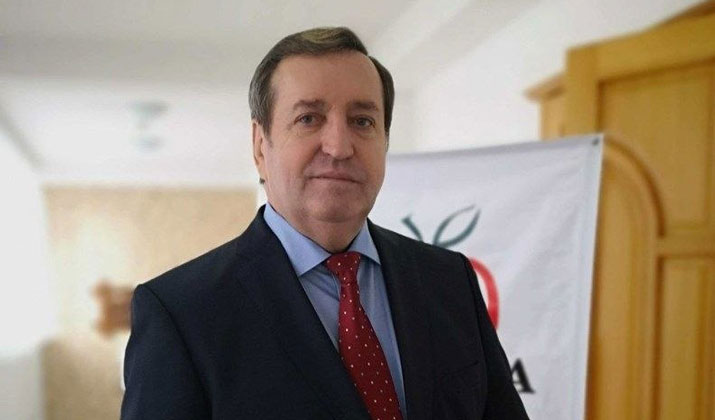
Vitalie Gorinchoi
“I don’t personally know Tatiana Nistorica, but I’ve heard good things from colleagues about her professional qualities. I’ve also heard that—in a cruel twist of fate—her arrest took place on her birthday. What is my personal take on what’s happening? I don’t know whether she’s guilty or not. But I once found myself in a similar situation. While I was head of the Ministry of Agriculture, investigative authorities detained two of my staff members who were coordinating the wine-making sector. At their urging, I signed an order for which they were later held accountable. I was given clear hints that I needed to “distance myself and condemn them.” At the time, I decided not to do so—I trusted the professionalism of the investigators. In the end, they sorted out the situation, and the ministry employees were released “due to lack of evidence of wrongdoing.” “And if I had succumbed back then to my emotions, to the prevailing circumstances, or to ‘the system’—how would I have looked in my own eyes, and in the eyes of the people for whom I was responsible?”
It is worth recalling that Logos Press, citing the views of agribusiness stakeholders, reported that the detention of an official at the Ministry of Agriculture, Food, and Industrial Policy (MAIA) is linked to Order No. 263 of June 18,June 26, 2026, issued by the National Agency for Food Safety (ANSA), which authorizes the import of compound feed from two Ukrainian enterprises.
In this regard, operators in the livestock and animal products sector are asking questions. If the decision to resume imports is questionable due to allegations of corruption, will it be halted in the near future? If the decision to resume imports was safe (in terms of product quality) and beneficial (from an economic standpoint), why is its adoption accompanied by a “corruption scandal”? In both cases, the answer suggests a systemic problem.


