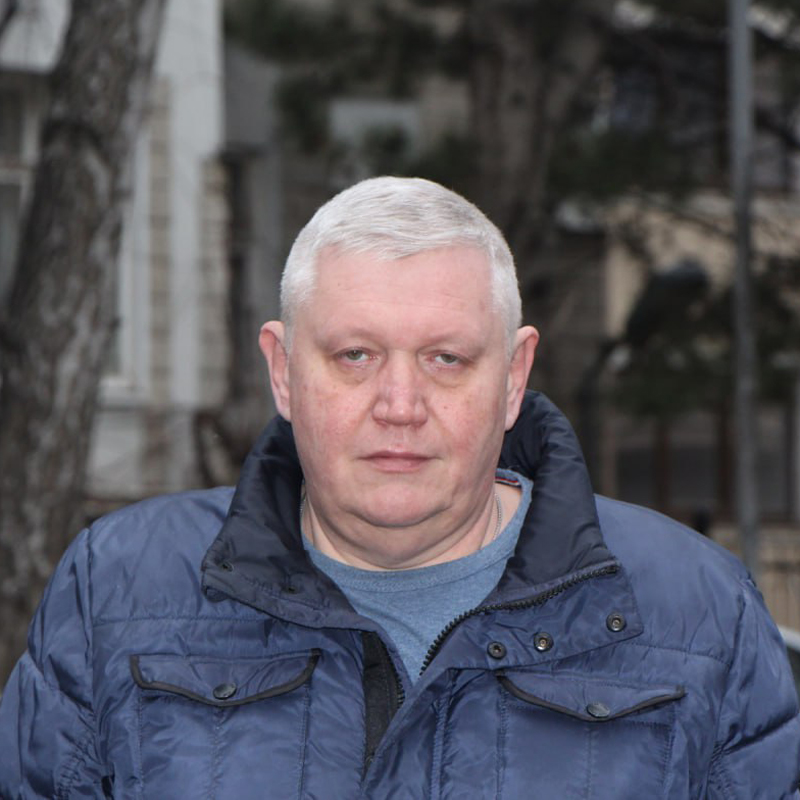

Peter Magyar. Photo: Janos Kummer / Getty Images
This letter marked the next procedural step after EU countries approved the opening of the first negotiation cluster for the accession of Ukraine and Moldova on June 15. Approval of the letter requires the consent of all 27 EU member states, so the issue will be discussed again next week.
The opening of the first negotiation cluster had long been blocked by Hungary’s former Prime Minister Viktor Orbán, who opposed Ukraine’s accession to the EU. Current Prime Minister Péter Magyar did not object to the start of negotiations but insisted on removing the phrase “as soon as possible” regarding Ukraine’s membership.
Last week, Magyar said that Hungary “does not consider it a good idea” to open all six negotiation clusters at the same time. “Partly because the ink on the documents for the first cluster hasn’t dried yet, and partly because it would send the wrong signal to the countries of the Western Balkans—Serbia, Albania, Montenegro, and North Macedonia—which have been working toward EU accession for many years,” he explained.
EU countries have long been discussing the nuances of Ukraine’s accession (and that of Moldova, whose application is linked to Ukraine’s). Kyiv wants a fast-track process, but according to the Financial Times, France and Germany have not supported this. Berlin has proposed granting Ukraine “associate member” status, under which it would participate in meetings of ministers and leaders but would not have voting rights or “automatic access” to the EU’s general budget.
What does Moldova have to do with this?
The point is, it has nothing to do with it.
Hungary has a number of serious grievances against Kyiv regarding the oppression of Hungarian minorities. It has no complaints against Moldova, but under EU enlargement rules, these two countries are tightly grouped together in a single enlargement track, and all stages can only proceed in sync. Perhaps this is precisely why, at the second Moldova-EU summit, the topic came up that “from this point on, Moldova and Ukraine will proceed separately toward EU membership.”
Ukraine is fiercely opposed to this proposal.


