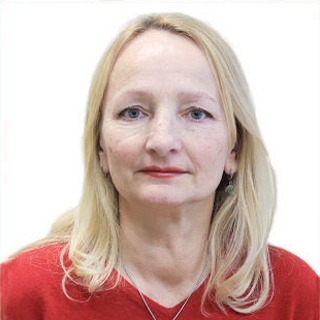

Mihaela Ioneala Furculița
A discussion under this title took place at the government building with the participation of university students and graduates—representatives of the Moldovan diaspora abroad. This event is a new initiative as part of Diaspora Days, which began yesterday in Chisinau.
As Logos Press previously reported, this year’s program includes daily events for members of the Moldovan diaspora—young people, association leaders, and citizens interested in Moldova’s development.
It was organized by the Bureau for Diaspora Relations under the State Chancellery. This year’s key theme is the diaspora’s contribution to Moldova’s development. Topics such as civic participation, European integration, and the exchange of best practices among Moldovan communities abroad will also be discussed.
Mihaela Will Return to Moldova
One of the speakers at the “Youth Changes the World” discussion, Mihaela Ionela Furculiță, earned her bachelor’s degree in public administration from the University of Cluj-Napoca in Romania. After completing her studies, she continued working there on her doctoral dissertation. The topic of her research focuses on the impact of the diaspora on the development of local communities.
As the doctoral candidate notes, the diaspora can do a great deal to contribute to the development of its home country. In addition to direct participation in investment projects and financing, the diaspora can apply the personal experience, knowledge, norms, and values it has acquired in the countries where its members live.
“Many people in our family work in the public sector,” says Mihaela. “So you could say that my field of study chose me. My parents weren’t too keen on me going into the public sector as well—they know it’s a tough line of work—but I’ve found my calling in this field, especially when it comes to the work of local government bodies. I believe the country needs well-trained specialists who can develop policies and coordinate their implementation.”
She intends to return to Moldova and teach at a university. Currently, while working on her dissertation, she is teaching at the university she graduated from.


