
BRANDON BELL/AFP
Given these circumstances, the International Energy Agency (IEA) warns that further escalation in the Strait of Hormuz could seriously disrupt global energy supplies.
The global market’s margin of safety is rapidly shrinking
IEA Executive Director Fatih Birol stated on July 21 that the agency is closely monitoring the situation in the oil market following the latest escalation of the conflict in the Middle East.
According to him, threats to shipping through the Strait of Hormuz and the Bab el-Mandeb Strait are significantly increasing uncertainty in the global energy market.
“There is no room for complacency regarding energy security amid the escalation of hostilities and the continuing decline in available commercial oil reserves,” Fatih Birol emphasized.
This assessment came against the backdrop of already documented depletion of reserves. In its June Oil Market Report, the International Energy Agency reported that OECD countries’ government oil reserves had fallen to their lowest level since December 1990 following the large-scale use of strategic reserves to stabilize the global market.
Commenting on the IEA’s latest statement, the French newspaper Le Monde notes that the global market remains stable only thanks to emergency measures, and its “safety cushion” is shrinking.
“Since the start of the war in the Middle East, 32 IEA member countries have already drawn down a significant portion of their strategic reserves. In March, they announced the release of about 400 million barrels—roughly one-third of their reserves. This has happened only five times in history—and never on such a scale,” notes Le Monde.
What Is Keeping the Market Afloat
Despite growing risks, the IEA has not yet identified an acute oil shortage, but warns of ongoing tensions and a likely deterioration of the situation if the conflict in the Strait of Hormuz drags on.
According to the agency’s assessment, global supplies continue to be supported by several factors at once.
Saudi Arabia and the United Arab Emirates are maintaining exports by using alternative routes that bypass the Strait of Hormuz. At the same time, the United States, Brazil, Venezuela, and Kazakhstan have increased their supplies, which has partially offset the decline in exports from the Persian Gulf countries.
A significant decline in demand from China has served as an additional stabilizing factor. According to IEA estimates, China’s crude oil imports are now nearly 50% below the level observed before the war began.
In addition, the agency’s member countries continue to draw on their strategic oil reserves. Following the IEA’s decision to release 400 million barrels of oil to the global market, approximately 290 million barrels have already been released, while more than 1 billion barrels remain in government reserves.
The main problem is no longer crude oil, but refined petroleum products
At the same time, the IEA notes that tensions are gradually shifting from the crude oil market to the refined petroleum products market. The situation is becoming particularly acute in Europe, as Logos Press has already reported. This means that even with relatively stable crude oil supplies, shortages of diesel fuel and gasoline could keep transportation and production costs high.
According to Fatih Birol, crude oil supplies are recovering faster than refining capacity. As a result, the diesel and gasoline markets remain significantly tighter than the crude oil market, which increases risks for the transportation sector, industry, and inflation.
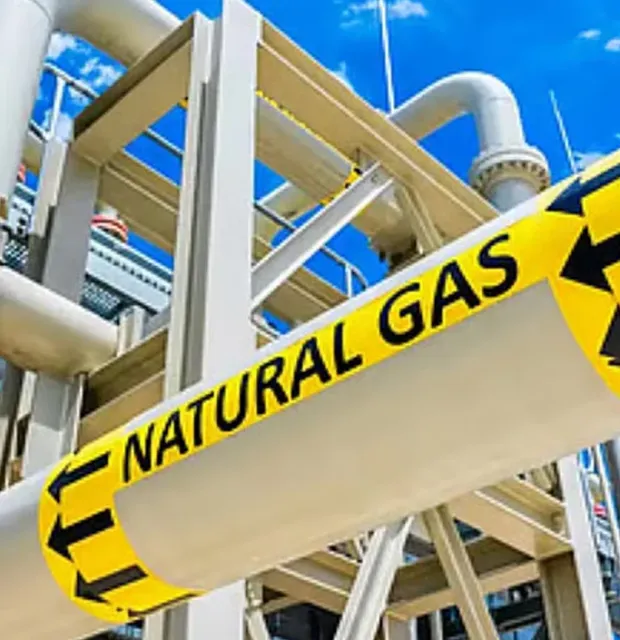
A similar situation is unfolding in the natural gas market. Additional LNG supplies from the U.S. and Canada have offset about 70% of the volumes lost due to supply restrictions through the Strait of Hormuz.
However, further delays in restoring exports from the Gulf countries could complicate Europe’s preparations for the upcoming heating season.
The Strait of Hormuz Remains a Key Factor
The IEA emphasizes that the stability of the global energy market depends directly on the restoration of normal shipping through the Strait of Hormuz.
“The IEA continues to assert that a resolution to the ongoing conflict, including the full and unconditional opening of the Strait of Hormuz, will be crucial to preventing a further deterioration of global energy security,” the agency said in a statement.
Today, the global market continues to function thanks to strategic reserves, alternative supply routes, and increased production outside the Persian Gulf.
However, the IEA’s statement indicates that virtually all stabilization mechanisms are already in place. If the conflict drags on or supplies through the Strait of Hormuz are reduced again, the ability to compensate for new disruptions will be significantly limited, and the global market will become much more sensitive to any new supply disruptions.