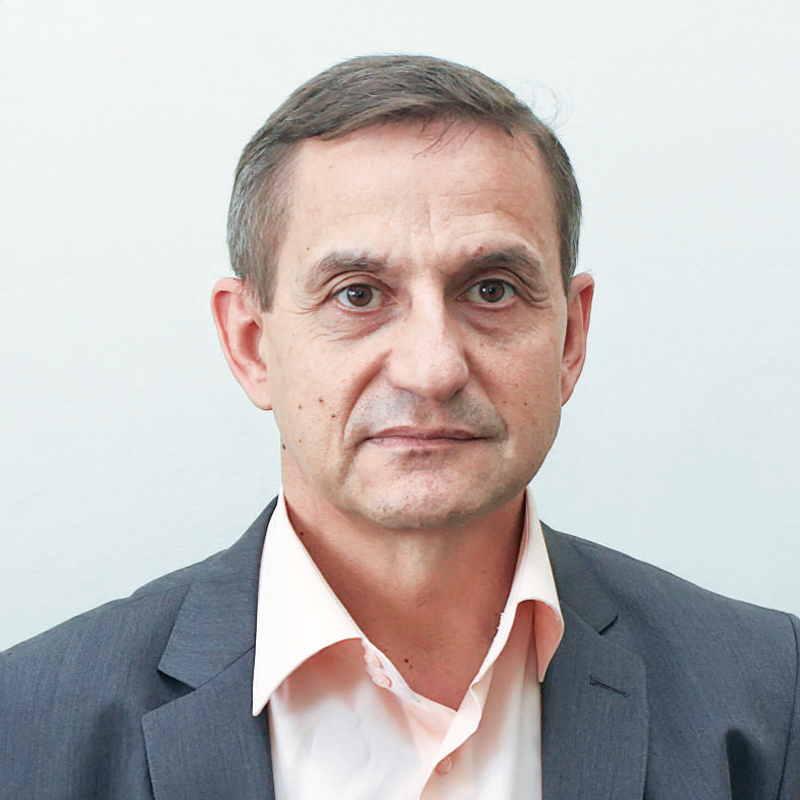

Emmanuel Macron and Friedrich Merz © Thilo Schmuelgen/Reuters
This is the key message of the 26th Franco-German Ministerial Council (DFMR), which concluded on July 17 at Augustusburg Castle.
Following the meeting, France and Germany adopted a joint declaration setting out the development priorities for Europe’s two largest economies and the European Union as a whole. The meeting was based on the provisions of the Aachen Treaty and built upon the decisions of the Economic Agenda adopted in Toulon in the summer of 2025.
The main focus of the final document is ensuring the EU’s strategic autonomy, reducing regulatory pressure on European businesses, and reforming the EU’s diplomatic service as quickly as possible.
Technological Breakthrough: AI, Quantum Technologies, and Space
A central theme of the negotiations was strengthening the competitiveness of European industry amid the global technology race. The parties officially recognized the key role of the IRIS² program as the foundation for space infrastructure and secure data transmission in the EU.
A special high-level working group has been established to oversee this area.
In the field of cutting-edge research, France and Germany signed a joint document on the EU Quantum Act, aimed at cementing Europe’s leadership in quantum computing.
“Europe must not merely adapt to technological trends, but set them. Quantum technologies, artificial intelligence, semiconductors, and nuclear fusion are the foundation of our industrial sovereignty for decades to come,” the meeting materials emphasize.
Fighting Bureaucracy and the Single Market
Paris and Berlin presented a united front in favor of simplifying the business environment. The parties agreed on a plan to reduce excessive administrative barriers and regulation at the EU level, which currently limit the growth of small and medium-sized enterprises.
Particular attention was paid to protecting the younger generation in the digital environment and combating cyberbullying, which will require technology platforms to comply with uniform, strict safety standards throughout the EU.
Institutional Reform and EU Enlargement
The Franco-German duo expressed their intention to present detailed proposals on the institutional reform of the European Union by the end of this year. This involves optimizing the work of key institutions—the European Commission, the European External Action Service, and the office of the EU High Representative.
Paris and Berlin called on EU leaders to use the October summit to formally request an examination of possible reform measures.
According to the statement issued by the two countries, the review should cover “the role and institutional structure of the relevant EU bodies and institutions, including the High Representative, the European Commission, and the EEAS (European External Action Service— ed.).”
As Logos Press previously reported, citing the Financial Times, there is growing dissatisfaction within the EU with the work of the EEAS, which is headed by Kaja Kallas. One official told the FT that the EEAS has become “dysfunctional” and cannot remain in its current form.
One option being considered is transferring some of the EEAS’s powers directly to the European Commission.
At the same time, a joint declaration by France and Germany reaffirmed support for the EU’s enlargement process (including the integration of Ukraine, Moldova, and the Western Balkan countries) while maintaining strict discipline within the EU’s Multiannual Financial Framework (MFF), which balances the interests of the agricultural sector with investments in innovation.


