


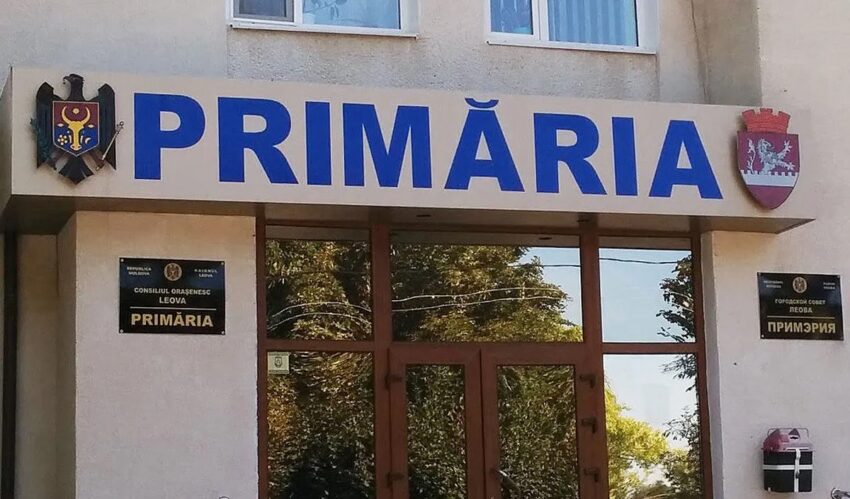
The document establishes a clear division of responsibilities between the two levels of local government. City councils will be responsible for 20 areas of activity, including water supply and sewerage, maintenance of local roads, street lighting, management of nurseries and local public transport.
The regions are assigned 11 areas focused on regional development, including attracting investment and European funds, implementing joint projects and supporting town halls.
In settlements where town halls have been merged, Unified Public Service Centres will operate, headed by representatives of the mayor. Citizens will be able to submit applications, obtain documents, certificates and advice in their own settlement, without having to visit the new mayor’s office.
Services currently offered in district centres will remain available in the same settlements, including cultural institutions, sports schools and art schools, architectural services and archives.
Moldova’s new administrative-territorial structure will come into effect following the general local elections in 2027. Until then, the government, together with local authorities, will prepare for the transition, including carrying out an inventory of assets, integrating databases and registers, providing training for specialists and ensuring the continuity of public services.
Both draft laws will be submitted to parliament for consideration and approval.
This story was translated with the assistance of artificial intelligence.
Follow our updates
Have information for the newsroom? Share it with Logos-Press



















Comments
0No comments yet. You can start the conversation.
Comments are open to readers with a Logos Press account.
Sign in to comment