


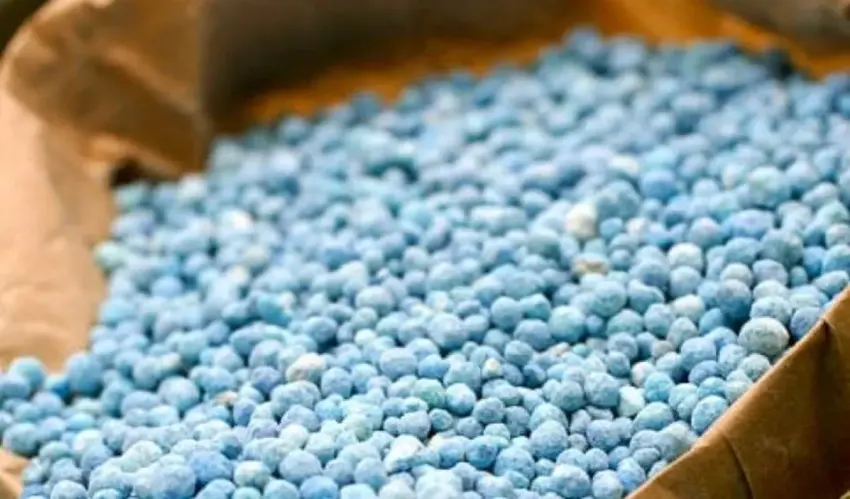
According to the Financial Times, manufacturers are increasingly opting to buy ammonia from abroad rather than produce it at European plants. In September, imports of this raw material into Europe reached a four-year high.
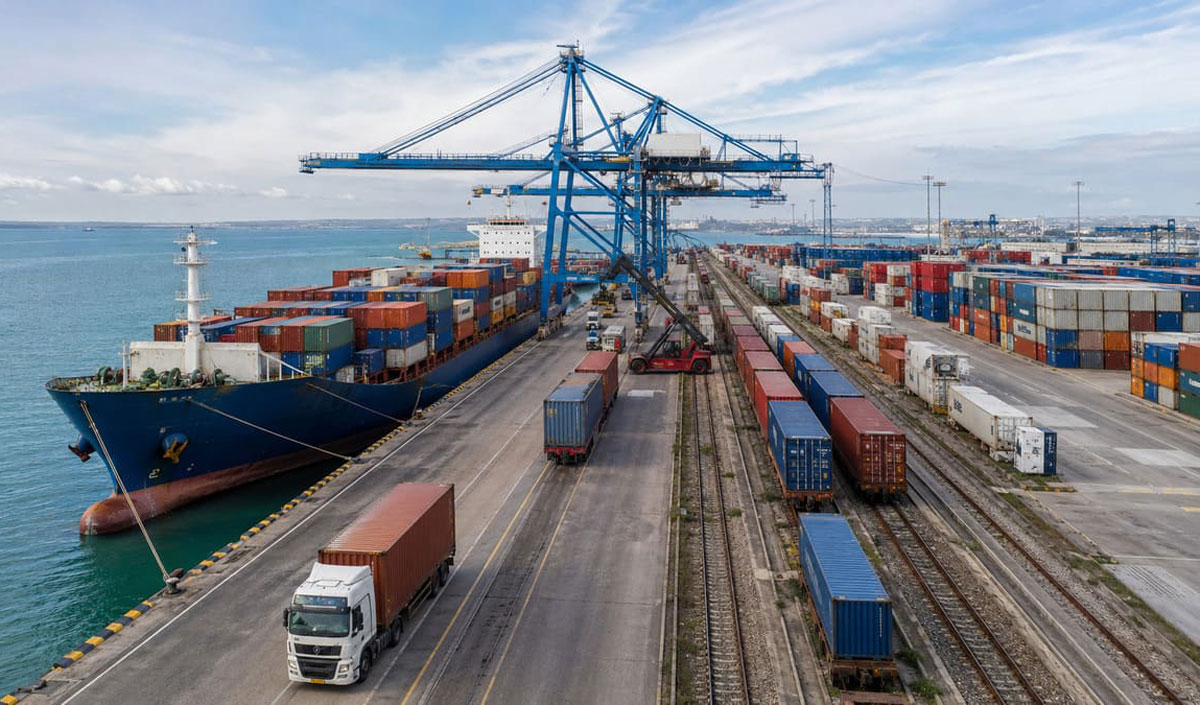
The cost difference is making domestic production increasingly unprofitable. Producing one tonne of ammonia at European plants costs approximately $1,096, whilst imported ammonia costs around $760. Supplies come from North Africa, the US, and Trinidad and Tobago.
The industry’s dependence on natural gas makes it particularly vulnerable: it accounts for 80–90 per cent of variable costs in ammonia production. Ammonia itself is the main raw material for nitrogen fertilisers, without which it is difficult to ensure high crop yields.
European companies are already cutting back on production. Yara, Europe’s largest fertiliser producer, has reduced ammonia production at its European plants by 27 per cent.
AGF Nitrogen has gone even further: at some plants with access to seaports, it has halted ammonia production and switched to imports, as it is cheaper to source raw materials from abroad. The company’s CEO, Petr Cingr, warned that if high energy prices persist for a long time, some manufacturers will have to close their plants or relocate production outside Europe.
According to Reuters, in late October AGF Nitrogen announced that it was considering further production cuts, including the temporary shutdown of plants in France, Germany, Austria, the Czech Republic and Slovakia.
The problem extends beyond individual companies. Before the war with Iran began, the Middle East accounted for around a quarter of global ammonia supply. Now, Europe’s dependence on external suppliers is growing at precisely the moment when global supplies are already under pressure.
Yara’s CEO, Svein Tore Holseter, warns that Europe risks losing a significant part of its own industrial base. If companies stop investing in European plants, the region will become even more vulnerable to disruptions in international supplies.
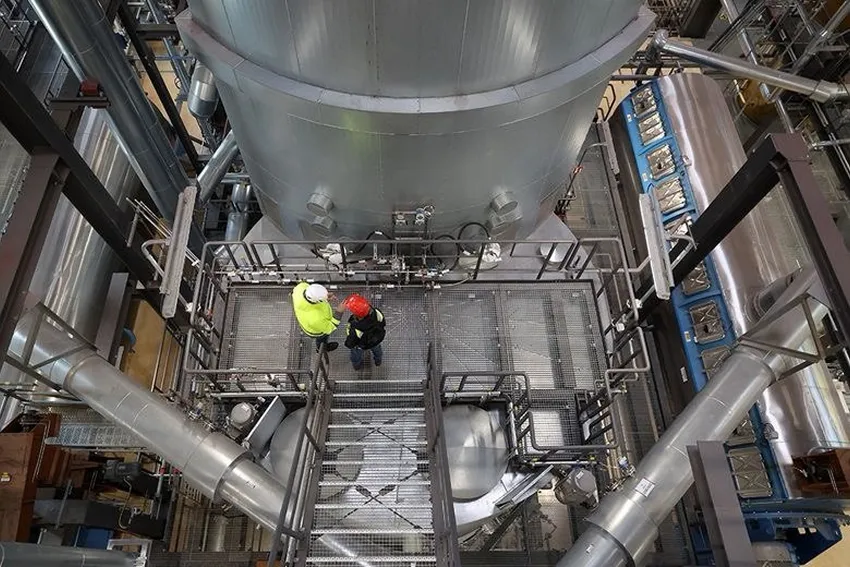
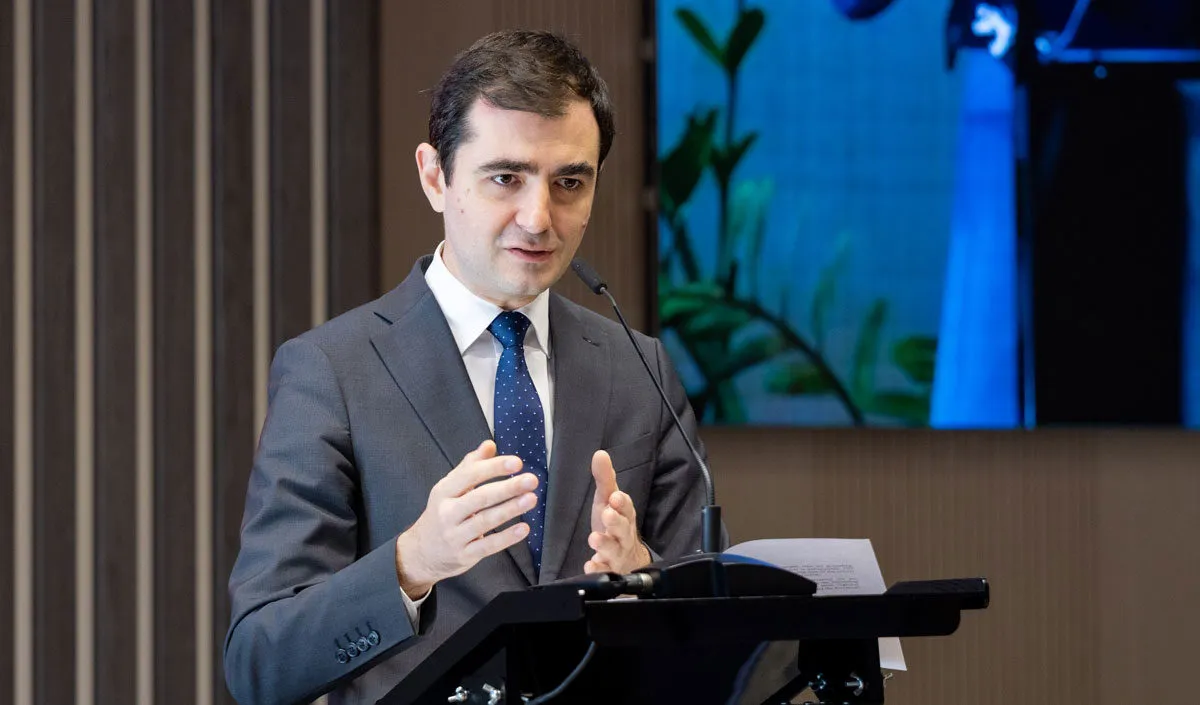
Photo: dpa
This story was translated with the assistance of artificial intelligence.The translation was also reviewed by the Logos Press editorial team.
Follow our updates
Have information for the newsroom? Share it with Logos-Press


















Comments
0No comments yet. You can start the conversation.
Comments are open to readers with a Logos Press account.
Sign in to comment