


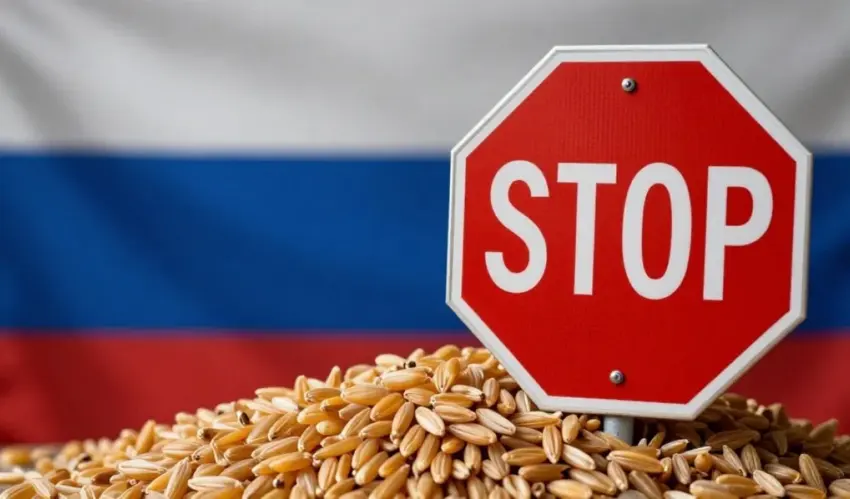
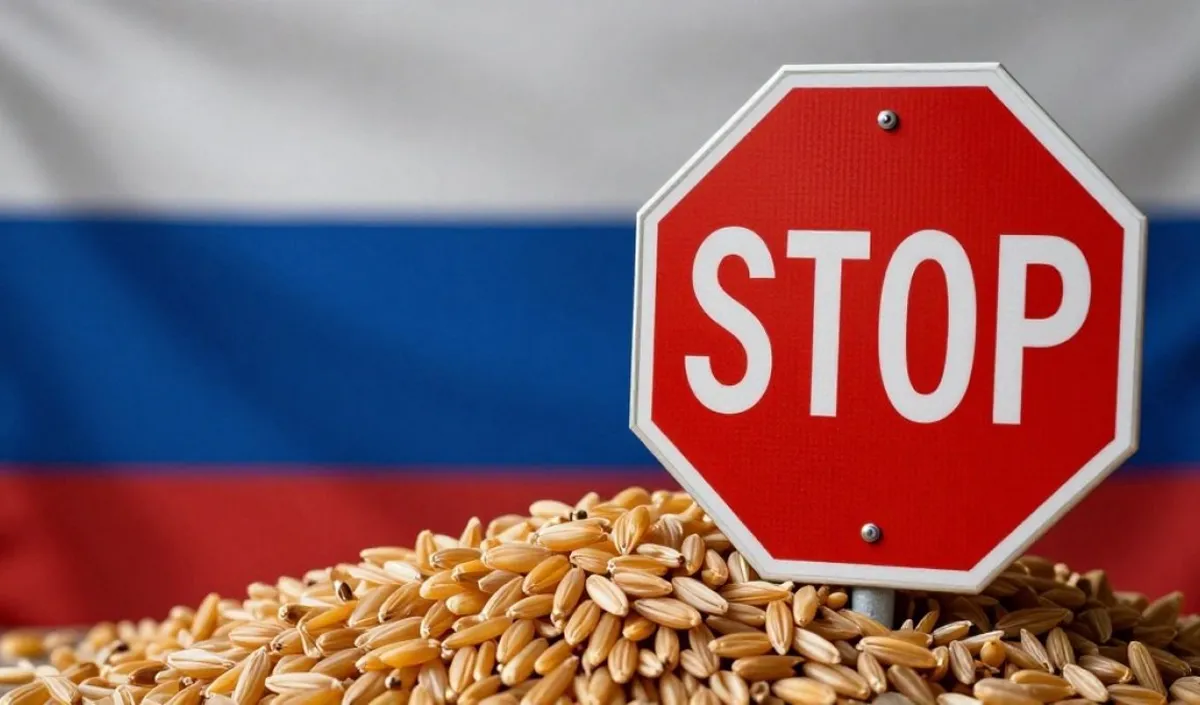
According to the State Revenue Service, 1.115 million tonnes of grain from Russia were transported through Latvia in transit during the first ten months of 2026. This is 3.1 times more than during the same period last year.
Experts attribute this to changes in the geopolitical situation. Russian grain had previously passed through Latvian ports, but due to problems with traditional routes via the Black Sea, some shipments were redirected to the Baltic region.
Liepāja now risks losing half its cargo turnover, whilst Ventspils is already losing 15 million euros annually, according to the Latvian portal bb.lv.
Ports fear losing cargo from Kazakhstan
The ports’ main argument against the introduction of unilateral sanctions is that the consequences could be much more far-reaching. The cargo being transported often already belongs to international trading companies rather than Russian producers. Furthermore, the transport routes linking Latvian ports to Central Asia pass through Russian territory. If this corridor is closed, other shipments could also be at risk.
In particular, the port of Liepāja risks losing transit shipments of Argentine soya to Kazakhstan and Brazilian sugar to Uzbekistan. Meanwhile, in Ventspils, there are fears for the resumed supplies of Kazakhstani coal. Overall, a disruption to these links could undermine the trust of Central Asian partners in Latvia as a transit country.
Farmers, for their part, are demanding that security be prioritised over transit. They believe it is wrong to assess the situation solely in terms of economic losses, and link the transit issue to Russia’s ongoing war against Ukraine and threats to Latvia’s security.
What the government is proposing
The issue of banning transit has been under discussion for several months. Recently, the Ministry of Foreign Affairs drew up a proposal to introduce national sanctions, as it has not yet been possible to secure a blanket ban at EU level.
At the same time, calculations by the Ministries of Transport and the Economy show that halting Russian grain transit alone could cost the Latvian economy between 27 and 50 million euros annually. If, in response, Russia were to completely halt freight transport through Latvia, the estimated losses are thought to be significantly higher – ranging from 230 to 550 million euros a year.
Follow our updates
Have information for the newsroom? Share it with Logos-Press























Comments
0No comments yet. You can start the conversation.
Comments are open to readers with a Logos Press account.
Sign in to comment