


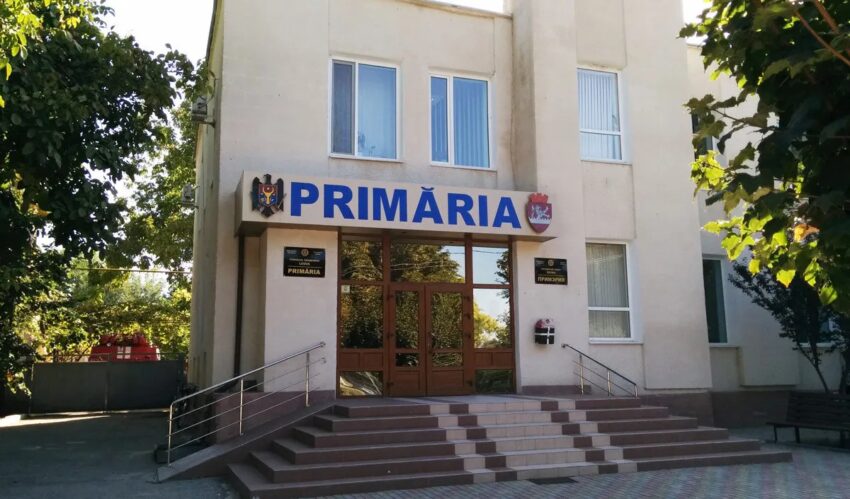
Leova Primary School
According to the authors’ intention, the reform is designed to improve the efficiency of the pay system. However, analysis by CALM experts shows that the actual consequences for local authorities may be far from what has been stated.
In many mayoral offices, the changes could lead to a reduction in salaries and a decline in the attractiveness of working there, at a time when they are already facing staff shortages.
At the same time, the responsibilities and workload in the mayoral offices merged as a result of the reform will increase significantly, whilst the promised financial benefits may turn out to be much lower than expected.
For instance, the draft bill abolishes the current monthly allowance, which can amount to as much as 40 per cent of a salary. It also reduces expenditure on professional development from 50 per cent to 30 per cent.
At the same time, salary increases will be optional and dependent on local authorities’ own revenues, with no possibility of using general-purpose grants. Consequently, for the majority of the country’s local authorities, this right risks remaining merely on paper.
CALM is calling for both measures to be retained. They would be funded from local authorities’ own revenues, including general-purpose transfers, at a level set by the council. The organisation emphasises that this decision would not require additional funding from the state budget.
Follow our updates
Have information for the newsroom? Share it with Logos-Press

























Comments
0No comments yet. You can start the conversation.
Comments are open to readers with a Logos Press account.
Sign in to comment