



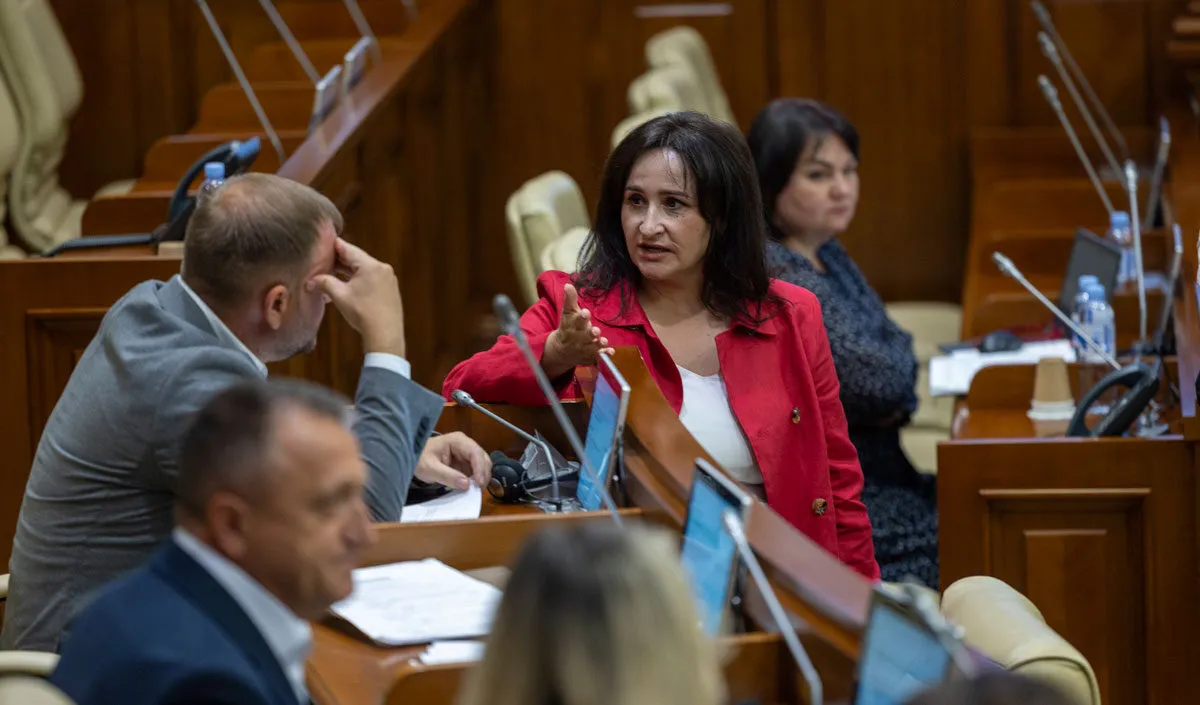
Photo: Facebook Larisa Mezinu Bălan
This was stated by Larisa Mezinu-Bălan, acting head of the CNAS, at the Profit Health forum. According to her, 99 per cent of those without insurance are people under the age of 60, reports Profit.ro.
The head of the agency considers it unfair that some citizens pay contributions regularly, whilst others – who are of working age and not entitled to exemption from payments – do not contribute to the system’s funding.
Currently, people without officially declared income can take out voluntary health insurance by submitting a single tax return. In 2026, this contribution amounts to 2,400 RON.
Mezinu-Bălan stated that the state should replace the voluntary system with compulsory payments. She also noted that the CNAS intends to discuss with the National Agency for Fiscal Administration (ANAF) the verification of the incomes of citizens listed as uninsured.
It was pointed out that the lists may include Romanians who no longer actually live in the country but have retained their registration with their family doctors. Some of them only visit Romania from time to time, for example during the summer holidays.
No mechanism for compulsory payment yet
According to News.ro, the CNAS proposal also affects people who genuinely have no income. However, the agency has not yet explained exactly how it intends to collect compulsory payments from them or how it will take citizens’ financial circumstances into account.
In particular, it is unclear how the authorities intend to distinguish between people living off their savings and those who do not even have the means to pay the insurance contribution.
That said, uninsured citizens are not denied access to all medical care. By law, they are entitled to a minimum package of services, including emergency medical care, certain preventive services and antenatal care.
Another issue regarding the system’s funding relates to the temporary nature of health insurance contributions on pensions exceeding 3,000 RON. This levy has been in force since August 2025 and, under current legislation, is due to cease on 31 December 2027. Unless the law is amended, pension income will once again be exempt from this levy from 2028.
Mezinu-Balan warned that the abolition of the levy could affect the financial stability of the system and called for further measures to be considered in advance.
This story was translated with the assistance of artificial intelligence.
Follow our updates
Have information for the newsroom? Share it with Logos-Press























Comments
0No comments yet. You can start the conversation.
Comments are open to readers with a Logos Press account.
Sign in to comment