


Photo: David Pereiras / Shutterstock / FOTODOM
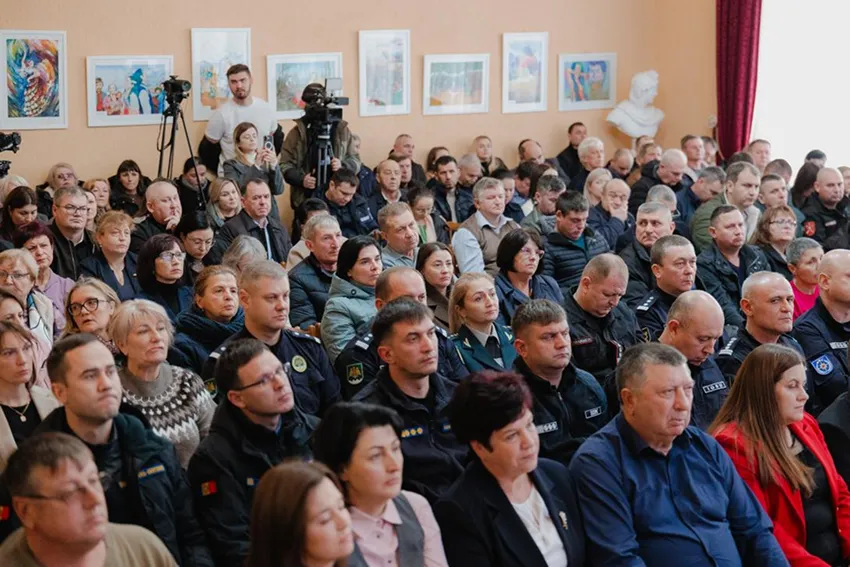
A new event as part of the campaign took place in Ștefan Vodă, attended by the Speaker of Parliament, Igor Grosu, and representatives of the decentralised services from the districts of Ștefan Vodă, Căușeni and Anenii Noi.
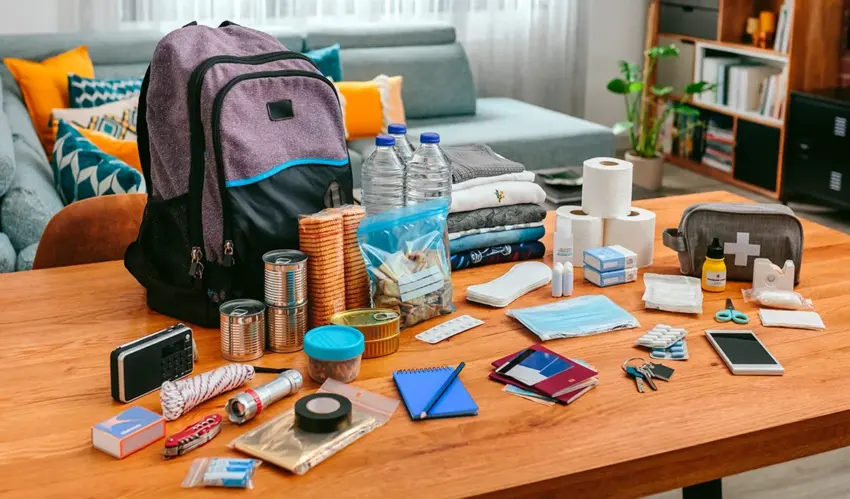
One of the campaign’s key recommendations is to prepare in advance a so-called ‘emergency kit’, containing the items and supplies needed for the first 3–5 days in case of an emergency.
This should include:
- drinking water (at least 4 litres);
- a first-aid kit;
- non-perishable food;
- a blanket;
- a battery-powered radio;
- torch and spare batteries;
- personal hygiene items;
- a whistle and a multi-purpose pocket knife;
- copies of personal documents.
The campaign organisers emphasise that the state has a responsibility to prevent and manage crisis situations, but that the preparedness of citizens and communities helps to protect the population and make interventions more effective.
Particular attention is paid to the first 72 hours following the onset of an emergency. This period serves as a benchmark for individual and family preparedness, whilst the authorities step in to provide assistance to those in danger and to restore affected services.
At the same time, the 72-hour period is not a forecast of the duration of a crisis or of any service disruptions, but rather a practical planning timeframe. The same principle is set out in the European Union’s ‘Union of Preparedness’ Strategy, which aims to ensure a minimum level of self-sufficiency for households during the first three days of a disruption.
The campaign is being carried out with financial support from the German Government, through GIZ Moldova.
Follow our updates
Have information for the newsroom? Share it with Logos-Press




















Comments
0No comments yet. You can start the conversation.
Comments are open to readers with a Logos Press account.
Sign in to comment