


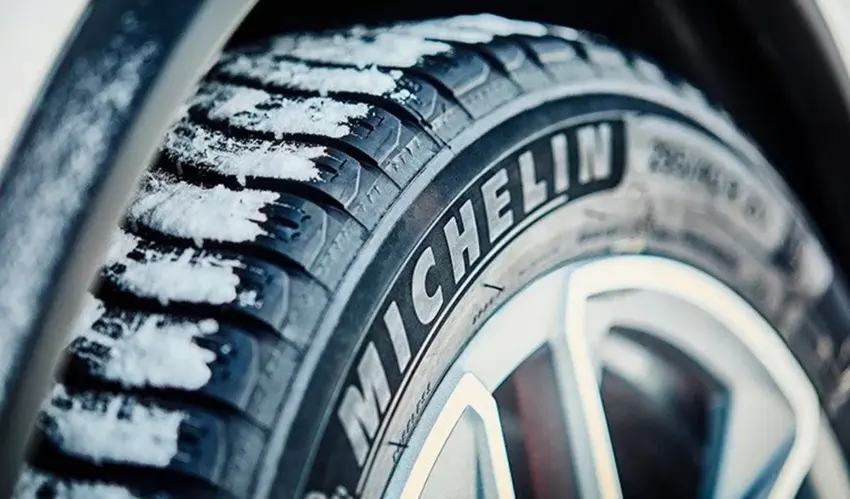
The issue affects the entire tyre industry. According to Bernstein, key raw materials (rubber, oil and steel) have risen in price by 30–50 per cent over the past year. This is increasing manufacturers’ costs and could have a noticeable impact on their financial results as early as the fourth quarter of 2026. In the first half of 2027, analysts forecast that the sector’s profitability will fall by 1.5–2 percentage points.
However, manufacturers cannot simply pass on these additional costs to customers, notes Investing. In an inflationary environment, consumers are opting for cheaper tyres. Another threat is the rapid expansion of production capacity. Bernstein estimates that by 2031, global tyre production capacity will increase by approximately 200 million units. By way of comparison, historically, demand for tyres has grown by only 15–20 million units per year. If sales do not grow faster, manufacturers will have to compete for customers, cut prices and accept lower profits.
Why the risks are particularly high for Michelin
According to Bernstein’s assessment, the company faces the highest market expectations amongst its competitors regarding financial results for 2027, whilst its shares are valued the highest. At the same time, analysts are dissatisfied with the pace at which the company is implementing its strategy.
Bernstein estimates the fair value of Michelin shares at €32. Following a strong 15–25 per cent rise in tyre manufacturers’ share prices since the start of the year, analysts believe that further share price growth is becoming less likely: so far, it has outpaced the improvement in profit forecasts.
Follow our updates
Have information for the newsroom? Share it with Logos-Press




















Comments
0No comments yet. You can start the conversation.
Comments are open to readers with a Logos Press account.
Sign in to comment