


According to a new study by Lloyd’s Register (LR) titled ‘Fuel for Thought: Ports’, at the start of 2026 the global order book comprised 1,942 such vessels, accounting for 47 per cent of the total tonnage of the ordered fleet. However, the infrastructure to service them remains limited, creating risks of fuel shortages on certain maritime routes. According to DNV, a further 364 vessels with alternative fuel systems were ordered during 2026, which is 57 per cent more than in the same period the previous year, reports ukragroconsult, citing
Splash247.
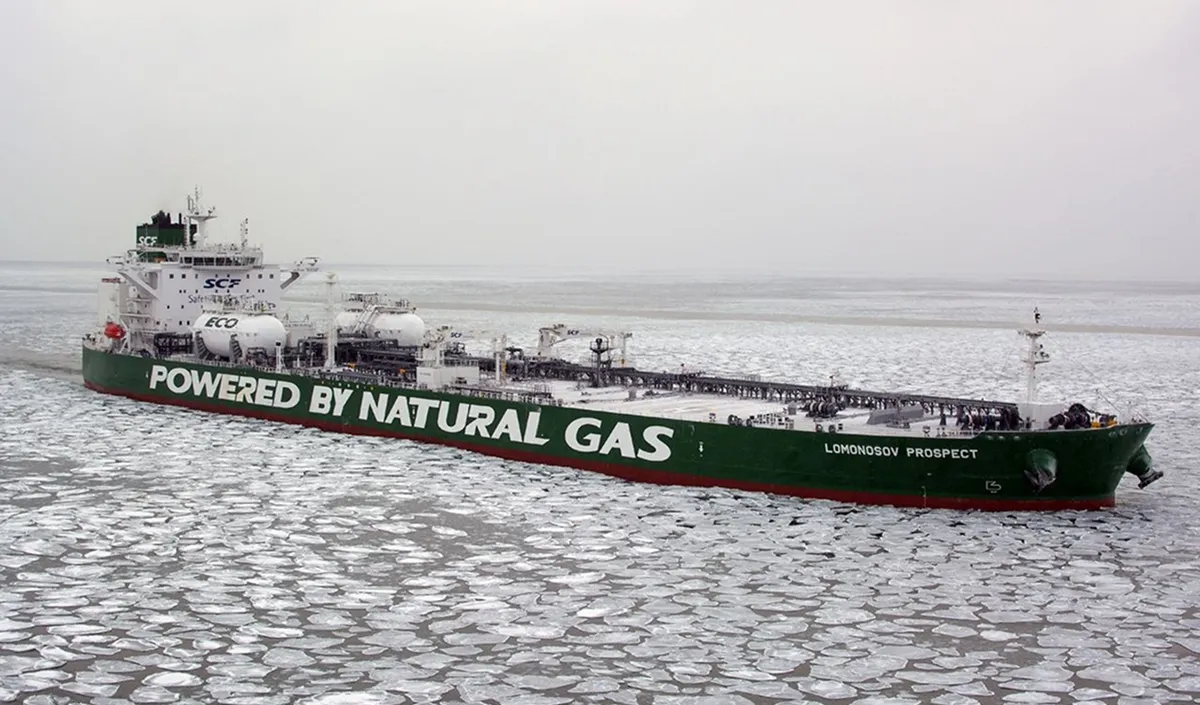
The infrastructure for refuelling vessels with liquefied natural gas (LNG) remains the most developed, being available at 222 ports worldwide. At the same time, methanol refuelling is available at only 25 ports, whilst commercial ammonia bunkering had been recorded at just one port at the time the study was completed. However, the global order book already includes 385 vessels capable of running on methanol and 45 vessels designed to use ammonia. This imbalance creates the risk of a two-tier global port system emerging, in which modern vessels will only be able to obtain the necessary fuel at a limited number of major ports.
A further problem is the limited availability of low-carbon fuel and its high cost. According to estimates by Lloyd’s Register, announced projects for the production of low-carbon methanol envisage a capacity of 61.8 million tonnes; however, by the end of 2031, only 6–12 million tonnes of renewable methanol production capacity is expected to come on stream. At the same time, environmentally friendly types of methanol and ammonia cost two to three times as much as traditional marine fuel, whilst cargo owners are willing to pay, on average, only 3 per cent of the additional costs for more environmentally friendly transport.
The development of infrastructure for alternative fuels is also uneven. Major investments and commercial projects are concentrated in Northern Europe, East Asia and Singapore, whilst ports in Africa, South Asia, Latin America and the Pacific region are lagging significantly behind.
Biofuels remain the most accessible solution in the short term, as they can be utilised using existing bunkering infrastructure. According to Lloyd’s Register, marine biofuel was supplied at 90 ports worldwide; however, 77.5 per cent of the total volume was accounted for by just 13 ports.
This story was translated with the assistance of artificial intelligence.
Follow our updates
Have information for the newsroom? Share it with Logos-Press


















Comments
0No comments yet. You can start the conversation.
Comments are open to readers with a Logos Press account.
Sign in to comment