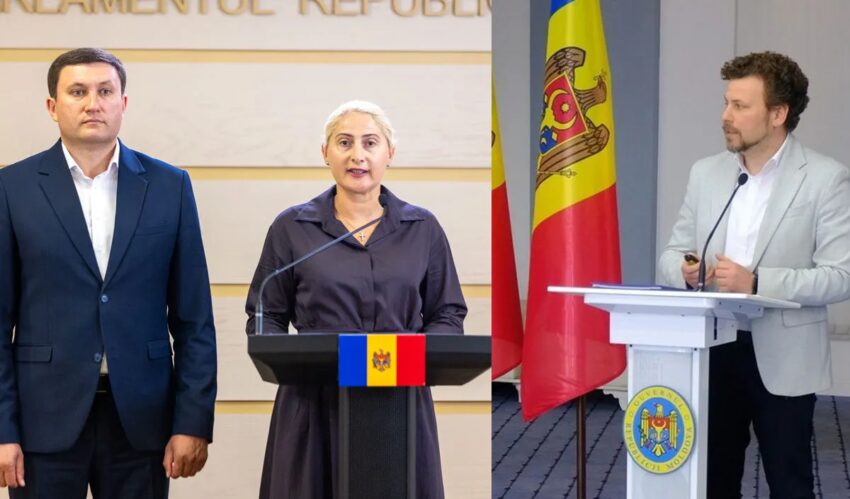
According to Minister Dan Perchun, a key goal of the reform is to ensure equal access to quality education regardless of the district in which students are located.
Data presented at the conference show significant variation among districts, as well as differences in reporting of bullying incidents, school dropouts, and the number of students with special education needs, which the agency says reflects differences in administrative practices rather than real social differences.
“Management deficiencies.”
Another point is the problem of the limited administrative capacity of district education departments, with about 30 percent of positions vacant in some regions.
“Funds for schools in the Republic of Moldova come from the state budget, but they are managed by district directorates and the schools themselves. In 2025, 425 million lei were not utilized. These were allocated budgetary funds, but they were not utilized, as it was not possible to carry out procurement, and the management and financial processes in institutions and directorates were not sufficiently planned,” Perciun said.
The reform also aims to reduce the “politicization of decisions at the local level,” including the appointment of directors, the organization of the school network and the allocation of investments. The ministry notes that these processes currently remain insufficiently transparent and uneven across the country.
Opposition criticizes ‘centralization of schools’
The Party of Socialists of the Republic of Moldova (PSRM) criticized the intention to “centralize the education system” and place all educational institutions under the direct control of the Ministry of Education.
MP Alla Ursu-Antoc said that the initiative presented by Education Minister Dan Percun represents “a clear attempt to take control of the entire Moldovan education system.” She warned that such a reform could lead to politicization of schools and reduce the autonomy of local authorities in education management.
Follow our updates
Have information for the newsroom? Share it with Logos-Press