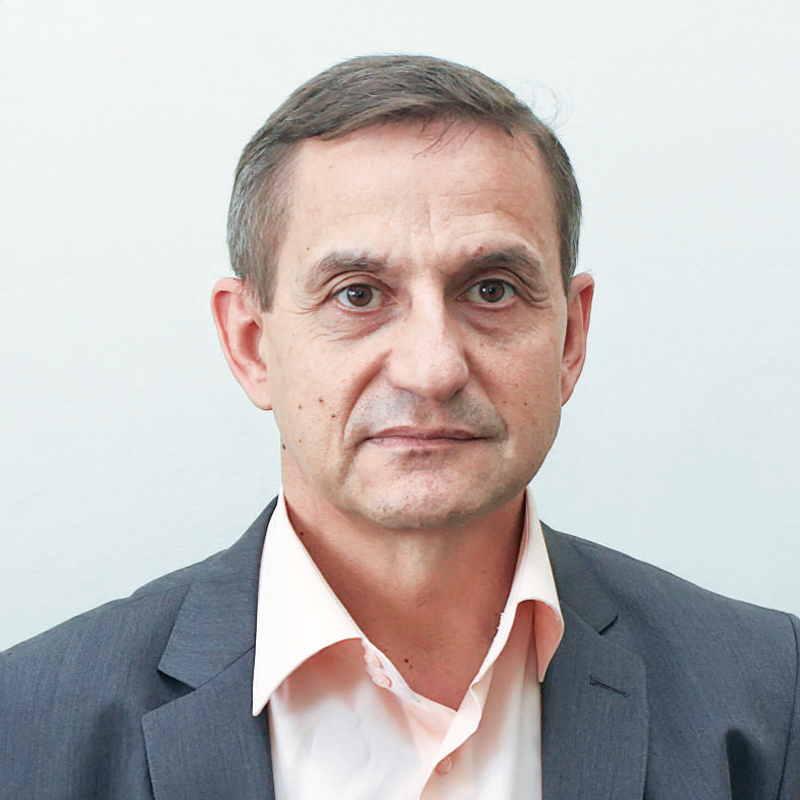

Moldova is represented at the meeting by Natalia Plugaru, Minister of Labor and Social Protection. A press release from the ministry notes that Moldova’s participation in the event is seen as the next step in deepening dialogue with the EU as part of the European integration process.
Discussions are focusing on measures to combat lifelong poverty, strengthen worker protections amid labor market transformations, and expand employment opportunities for people with disabilities.
Presenting the results of the reforms, the minister noted that the employment rate in Moldova rose from 50% in 2019 to 57% in 2024. During the same period, employment among women increased from 47% to 55%, while the share of young people not in employment, education, or training (NEET) fell from 26% to 21.9%.
According to the ministry, the modernization of the National Employment Agency has made it possible to increase the number of people placed in jobs with its assistance from about 9,000 in 2021 to more than 20,700 in 2025.
In addition, the reform of the State Labor Inspectorate and measures to combat informal employment have helped reduce the rate of informal employment to 17.3%—the lowest level in recent years.
Focus on Cooperation with EU Member States
On the sidelines of the meeting, Natalia Plugaru held bilateral talks with Ireland’s Minister for Social Protection, Dara Callery. The parties discussed advancing negotiations on a bilateral social security agreement, as well as developing cooperation in the areas of employment and social protection.
A meeting is also scheduled with Ales Juchelka, Minister of Labor and Social Affairs of the Czech Republic. In addition, the visit’s agenda includes meetings with the leadership of the Workplace Relations Commission, the Health and Safety Authority, and the European Foundation for the Improvement of Living and Working Conditions (EUROFOUND), focusing on issues related to the protection of workers’ rights, occupational safety, and the improvement of labor market policies based on data analysis.
According to Natalia Plugaru, the Republic of Moldova’s participation in the EPSCO meeting confirms the country’s status as a reliable partner of the European Union, and the labor reforms currently underway are already yielding tangible results. She noted that the government’s goal is to create a modern and inclusive labor market that meets European standards and provides citizens with greater opportunities for decent employment.
Follow our updates