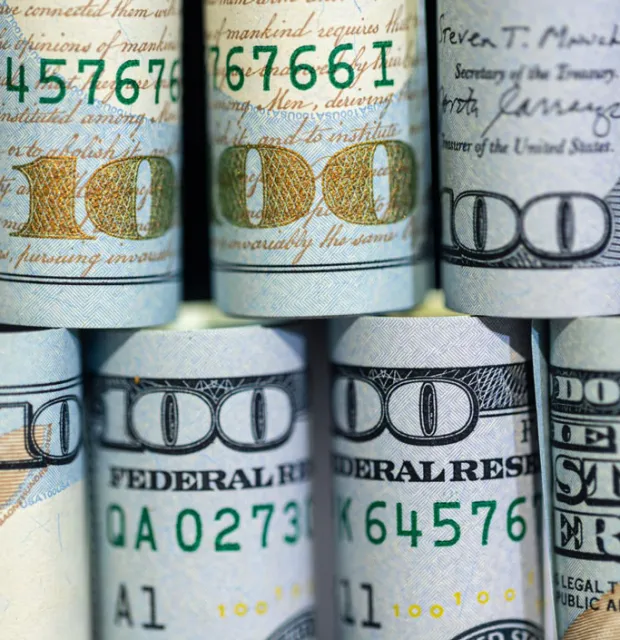

The statistics show that the trend toward recovery and growth in remittance volumes, which began at the start of the year, is continuing. For the first quarter of 2026, the National Bank recorded a 10.4% increase in remittance inflows (nearly 389 million euros). The regulator attributes the increase in remittance inflows through official channels to integration into the SEPA system. The leading countries are Israel, Italy, Germany, and the United States.
EU countries have cemented their status as the main source of financial inflows. The growth in remittances from Europe is largely due to the active use of the Single Euro Payments Area (SEPA) system following Moldova’s full integration into this structure at the end of last year.
In June, the country received $89.11 million in net remittances and $90.86 million in gross remittances through other money transfer systems (MTS). The remainder of the funds came via bank transfers (including SEPA) and inter-card transfers.
The volume of official remittances from CIS countries (including Russia) continues to decline due to the closure of traditional channels and sanctions-related restrictions on the Russian banking infrastructure. The Unistream system and alternative transit methods remain the primary legal channels for transfers from the Russian Federation.
In June, a bill was actively discussed in Moldova regarding the declaration and possible taxation of large transfers from individuals who are not close relatives (scheduled for 2027). These initiatives do not affect current transfers from relatives.