


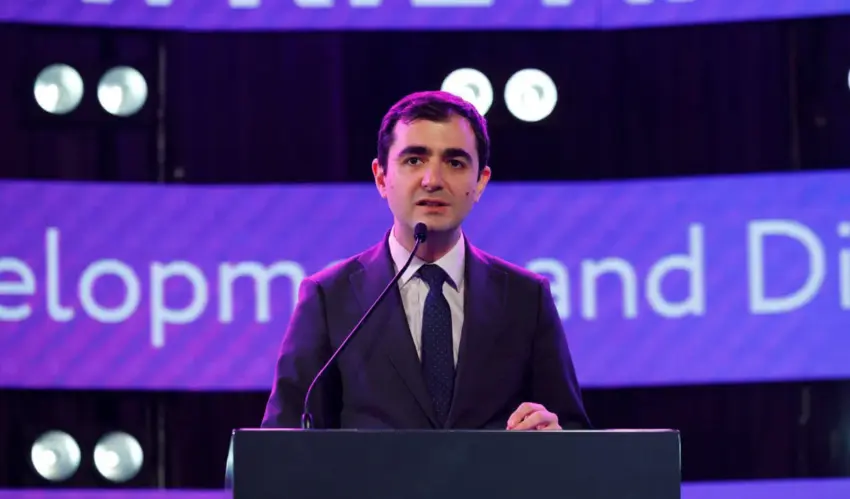
Claudiu Năsui
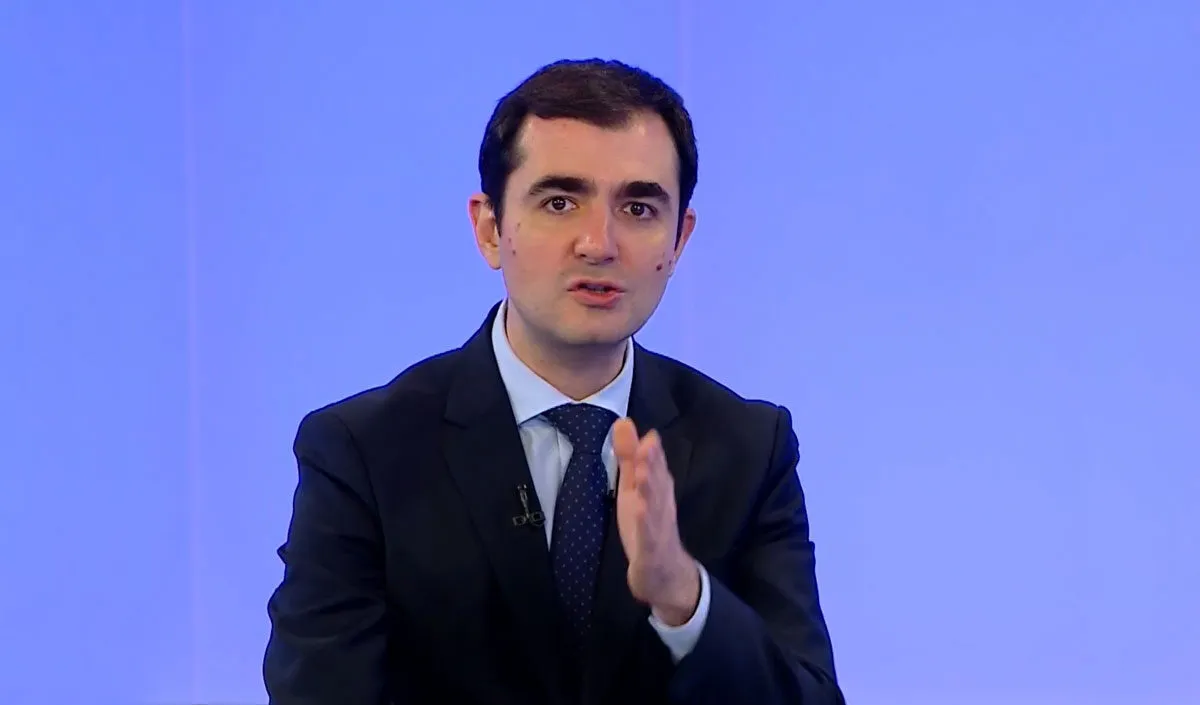
In an interview with the public television channel Moldova 1, the official explained that the deficit represents the difference between the state’s revenue and its expenditure. This difference is covered by borrowing, which means that the state is shifting part of the burden of current expenditure onto future taxpayers.
“We have a 6 per cent deficit. It’s absolutely huge, it’s colossal. Most of it is financed in the short term. I don’t think we realise what that means. We have to cut the deficit. (…) The revenue comes from taxes; it comes from your money. But where does the shortfall come from? In fact, it’s still our money, but from the future. It comes from debt. The state says: I don’t have the money, I’ll borrow it; don’t worry, I’ll pay you back later. But where will the state get the money to pay you back later? From you, again,” said Claudiu Năsui.
The minister believes that raising taxes would put additional pressure on entrepreneurs, discourage legal employment and could push even more activities into the informal economy. In his view, reducing public spending is a more appropriate solution, even if it involves difficult decisions for the government and may cause discontent amongst those receiving budgetary funds.
“Either you raise taxes, put more pressure on entrepreneurs, further discourage formal employment, further discourage entrepreneurship, and encourage the informal sector. And here, between the two options, my choice is clear. It is much harder politically to cut spending. Because whoever receives that money will protest, saying: ‘Why are you cutting my funding? But I deserve it; I need it.’ Because the fundamental problem in the economy is that needs are infinite, but resources are finite. If we want to do right by this country, we must cut spending. We must reduce government spending, even if it is politically very difficult. Politically, it is very easy to raise taxes, because then you are taking money from the public. But that is not a good thing to happen,” the minister stated.
Năsui emphasised that reducing the deficit must begin with more prudent management of public funds. In his view, the state cannot continue to spend more than it collects without this shortfall creating additional financial obligations for citizens.
This story was translated with the assistance of artificial intelligence.
Follow our updates
Have information for the newsroom? Share it with Logos-Press




















Comments
0No comments yet. You can start the conversation.
Comments are open to readers with a Logos Press account.
Sign in to comment