


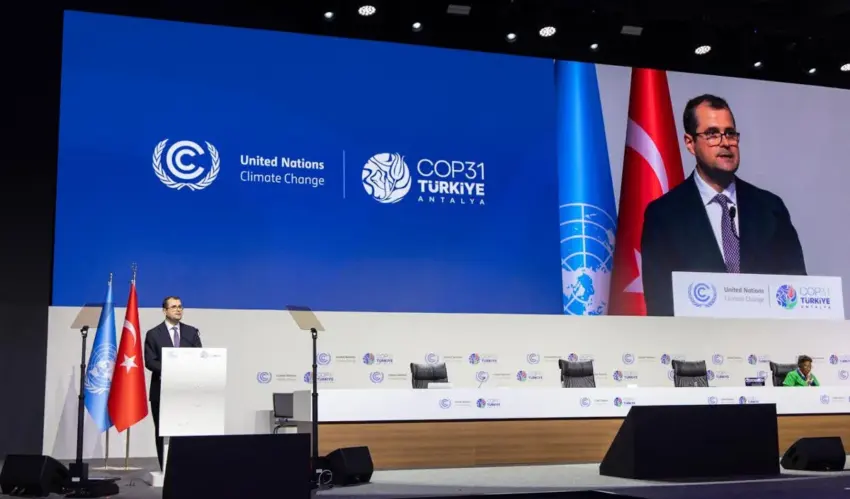
Vasile Tofan
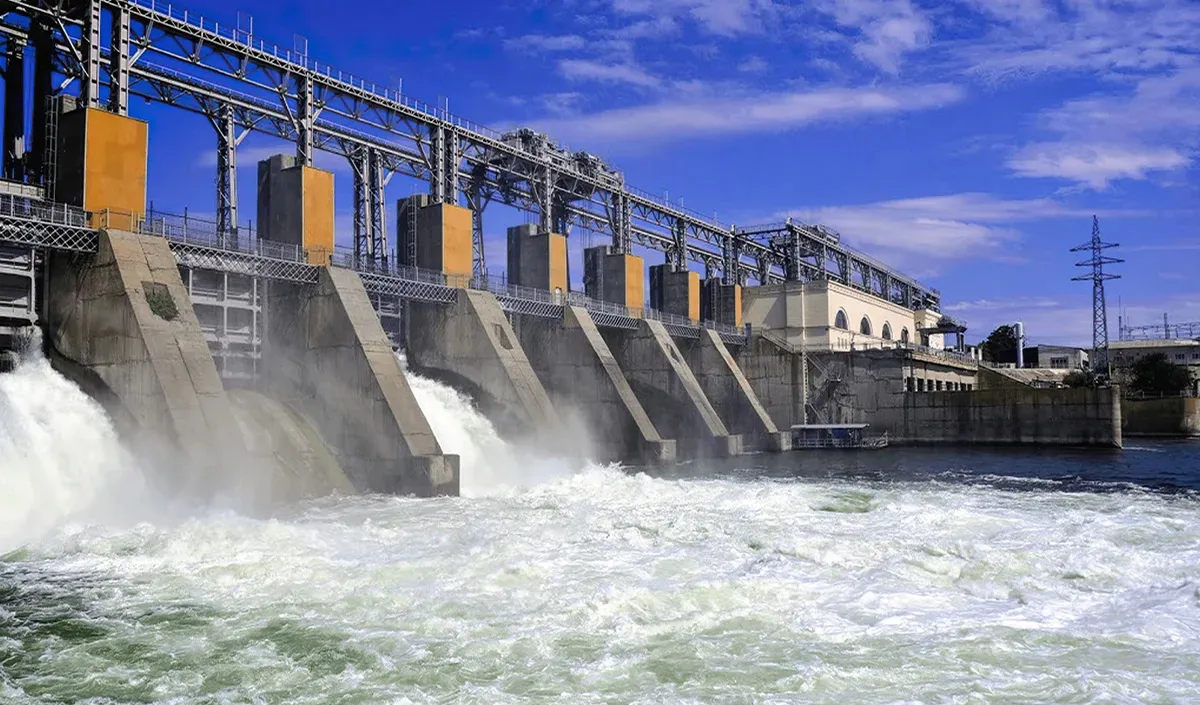
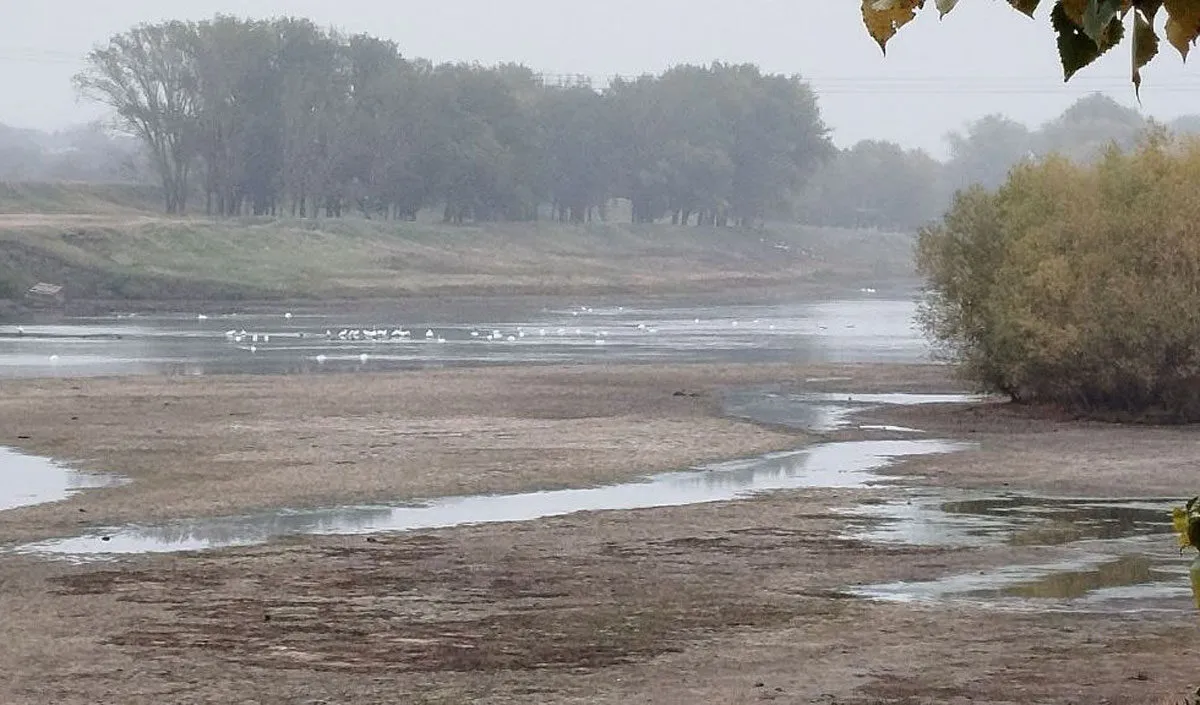
The Prime Minister referred to the pollution of the Dniester River following a Russian attack on a hydroelectric power station in Ukraine, as well as the drought that has affected water levels in the main reservoir on the upper reaches of the river.
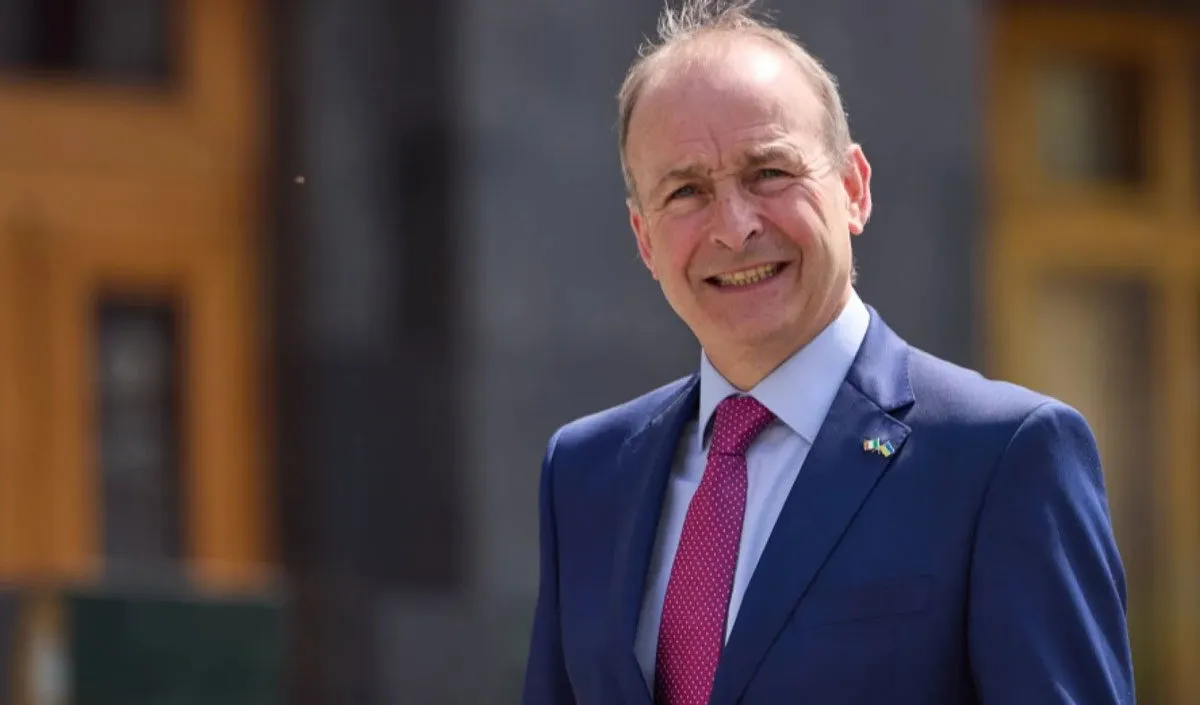
“For a small country such as the Republic of Moldova, the consequences of war, climate change and environmental degradation do not stop at national borders. Nor can our response be limited to these borders. These experiences have also reaffirmed a lesson we learnt from successive energy crises: our security depends on resilience and on reducing our dependence on resources we cannot control,” said Vasile Tofan.
The Prime Minister highlighted the Republic of Moldova’s progress in the field of renewable energy, noting that its share of electricity generation has risen from around 3 per cent six years ago to nearly 30 per cent today. He also spoke about investments in energy interconnections with Romania and the national afforestation programme, which aims to plant and restore approximately 145,000 hectares of forest by 2032.
Under the Paris Agreement, the Republic of Moldova has committed to reducing net greenhouse gas emissions by 75 per cent by 2035, compared with 1990 levels.
“Climate finance must become more accessible, more predictable and reach the countries and communities that need it most. The Republic of Moldova is fulfilling its share of the responsibility, despite the challenges we face. We call on others to demonstrate the same commitment, because no country can tackle the climate crisis on its own,” emphasised Vasile Tofan.
This story was translated with the assistance of artificial intelligence.The translation was also reviewed by the Logos Press editorial team.
Follow our updates
Have information for the newsroom? Share it with Logos-Press













Comments
0No comments yet. You can start the conversation.
Comments are open to readers with a Logos Press account.
Sign in to comment