


Growth driven by distance
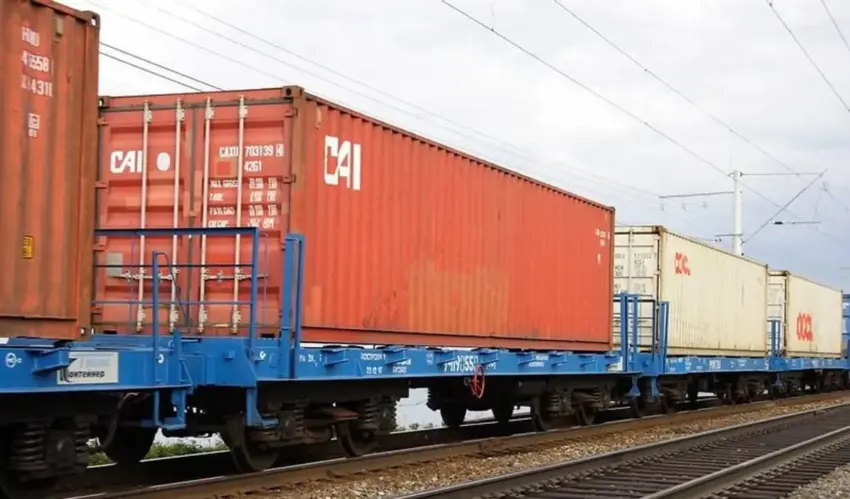
Between January and September 2026, 2.03 million tonnes of freight were transported by rail, which is 5.9 per cent higher than the figures for the same period last year. Meanwhile, freight turnover grew twice as much — by 12 per cent — reaching 466.7 million tonne-kilometres.
This trend indicates an increase in the average transport distance: the volume of freight grew moderately, but it was transported significantly further. The railways are gradually regaining their position as the key transit and export carrier for heavy and bulk goods – such as grain, building materials and fuel – over long distances. Currently, rail transport accounts for 11.7 per cent of the country’s total freight volume.
A cautious recovery
The state-owned enterprise ‘Moldovan Railways’ returned to profit in the first nine months of 2026, posting a net profit of 22.7 million lei following two years of multi-million losses.
In the first half of 2026, the state-owned enterprise’s total revenue rose by 32.4 per cent compared with the same period in 2025 — from 306.2 million to 405.5 million lei. At the same time, total expenditure fell by 15.4 per cent – from 458.2 million to 387.5 million lei. (By way of comparison: for the whole of 2025, sales revenue amounted to 700.6 million lei).
According to the authorities, the company has fully settled its long-standing wage arrears to staff, which had accumulated over many months, and has moved to making timely, regular payments, whilst reducing its workforce from 3,800 to approximately 3,200.
As at the end of 2025, the company’s long-term debt was estimated at 1.1 billion lei. The state-owned enterprise is currently undergoing a restructuring process involving its division into two joint-stock companies: one responsible for managing the railway infrastructure, and the other directly responsible for freight and passenger transport.
The undisputed dominance of road transport
Despite the positive trends in the rail sector, road transport remains the main driver of the logistics market, accounting for 87.8 per cent of the sector as a whole.
Over the nine-month period, road transport delivered 15.3 million tonnes of freight (+24 per cent on the previous year), of which 11.3 million tonnes were on domestic routes and 4 million tonnes on international routes.
In contrast to rail, freight volumes here are growing faster than freight turnover (+13.2 per cent), which indicates a high intensity of transport over short and medium distances.
A sharp decline in aviation and the river fleet
Against the backdrop of the strengthening of land-based logistics, related sectors recorded a sharp decline:
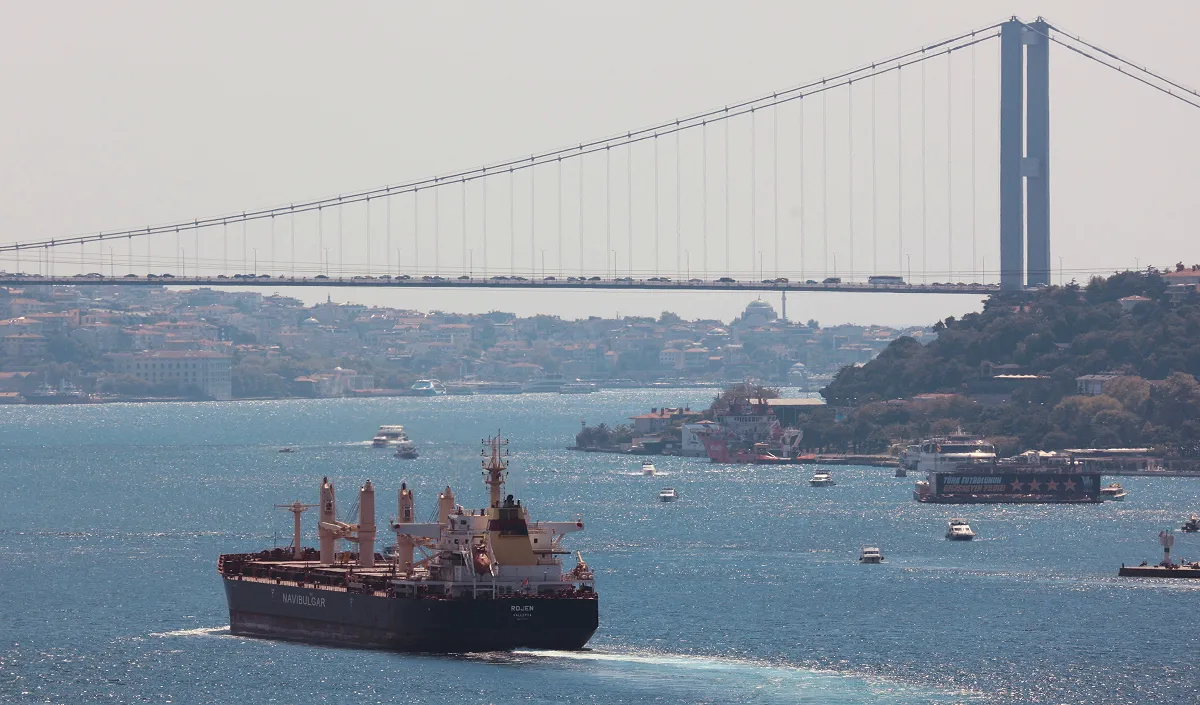
- River transport contracted by 22.3 per cent across all key indicators.
- Air freight volumes more than halved — the physical volume of cargo fell by 53.2 per cent, whilst freight turnover decreased by 47 per cent.
Experts attribute the twofold decline in air freight to two main factors: the shift of high-value and time-sensitive cargo to the more flexible road transport sector, and changes in international supply chains, whereby goods are no longer cleared through Moldovan air carriers.
Follow our updates
Have information for the newsroom? Share it with Logos-Press





















Comments
0No comments yet. You can start the conversation.
Comments are open to readers with a Logos Press account.
Sign in to comment