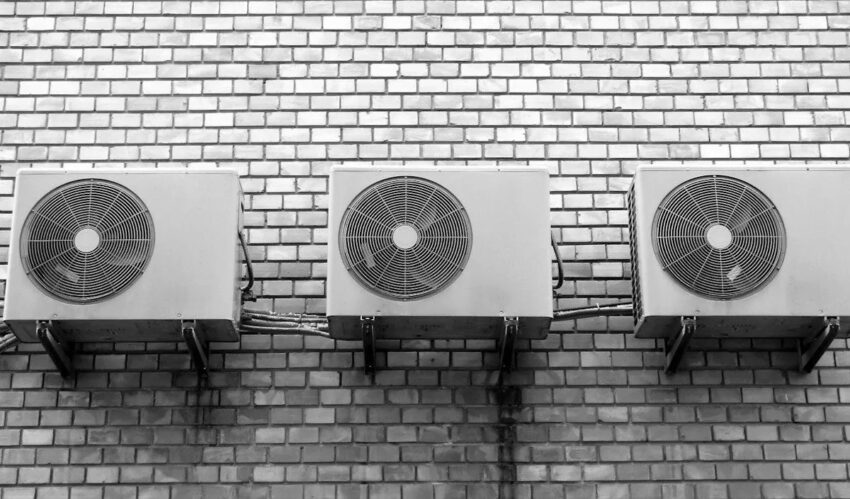
The heat waves of recent years are rapidly changing energy consumption patterns in Europe. According to an analysis by Euronews.com, based on Eurostat data, energy consumption for cooling homes and buildings has risen sharply in most European countries between 2018 and 2024, amid increasingly hot summers and the growing use of air conditioners.
Across the European Union, electricity consumption for cooling rose by 99% in just six years. However, there are huge differences between countries.
Austria and Moldova are the leaders, while Slovakia is the laggard
The most impressive growth was recorded in Austria—a 1,047% increase—followed by the Republic of Moldova, where consumption of cooling equipment rose by 322%. Next are the Czech Republic (244%), Italy (193%), Hungary (171%), Finland (163%), Albania (131%), Spain (127%), Slovenia (114%), and Greece (103%), all of which exceed the European average.
In contrast, Romania lags significantly behind the European Union average, showing growth of only 9%, and ranks near the bottom of the list. Only Germany (8%) and Croatia (4%) recorded lower growth, while a number of countries, such as Sweden, Poland, Lithuania, Latvia, Ireland, Estonia, and Denmark, did not report significant changes in electricity consumption for cooling.
At the very bottom of the ranking are Serbia (-1%), Norway (-3%), and Slovakia (-29%), the only European country where energy consumption for cooling decreased significantly during the period under review.
Experts attribute these differences to several factors. In some countries, the extreme temperatures of recent years have led to a sharp increase in the use of air conditioners, while in others, consumption was already high or the climate is less dependent on cooling systems.
The authors of the analysis warn that as climate change leads to longer and hotter summers, demand for cooling energy will continue to rise, putting pressure on both power grids and Europe’s carbon emission reduction targets.
Follow our updates
Have information for the newsroom? Share it with Logos-Press