


The pace of implementation has already been gathering momentum since last year’s UN Climate Change Conference (COP30) in Belém, in the Brazilian Amazon. Inspired by the indigenous concept of ‘mutirão’ (meaning community mobilisation or collective effort), the COP30 Presidency called on the international community to unite around three objectives: strengthening multilateral cooperation, linking this process to people’s everyday lives, and accelerating the implementation of the Paris Agreement on Climate Change.
Through this ‘mutirão’, the COP30 Presidency sought to consolidate a process that had long been underway, taking climate strategies beyond the negotiating rooms and extending them to various sectors of the economy and strata of society.
Since the United Nations Framework Convention on Climate Change (UNFCCC) was opened for signature at the ‘Earth’ Summit in Rio de Janeiro in 1992, three decades of diplomatic efforts have helped to establish a framework that brings together measures on climate change mitigation, adaptation, financing, technology transfer, capacity-building and instruments for addressing issues related to loss and damage.
By the end of 2024, the set of rules for the Paris Agreement—drafted in 2016—had been finalised, establishing a cycle of periodic nationally determined contributions (decarbonisation targets and plans) and global stock-taking (progress assessments).
We need not just words, but action
However, multilateral cooperation on climate change has reached a crossroads. Although ongoing negotiations remain essential, the gap in the implementation of what has already been agreed upon remains vast. The task of every Conference of the Parties (COP) is now not merely to adopt final communiqués. Each must also demonstrate how hard-won decisions, once implemented, will bring about tangible improvements in people’s lives.
During our own preparations for COP 30, concerns about growing geopolitical tensions and socio-economic challenges were exacerbated by the news that the United States would once again withdraw from the Paris Agreement.
However, by the time the conference closed, no other party had withdrawn from the agreement, and more than 50 decisions were adopted by consensus. Collective commitment to tackling climate change was reaffirmed: 194 countries recognised that the transition to low-carbon and climate-resilient development is not only desirable but also inevitable. Unlike exceeding the 1.5 °C threshold, such systemic changes cannot be reversed.
The emergence of a new development model confirms that a multilateral approach to tackling climate challenges works, even if the pace of progress remains disappointing. In accordance with the Decision on the global ‘Mutirão’ (Mutirão) adopted at COP 30, countries have resolved to launch a decade of climate action and have joined the new Global Mechanism for Accelerated Implementation to keep the 1.5 °C target within reach and to initiate so-called ‘positive tipping points’ (self-sustaining mitigation scenarios) — which may be our last chance to correct the overshoot.
A ‘repository of solutions’ and global mobilisation
At the same time, the COP30 Global Climate Action Agenda has created a new ‘ecosystem’ of solutions and those who implement them, bringing together previously fragmented efforts to enhance the effectiveness and resilience of the wider implementation system.
This initiative was designed to engage non-state actors and organise the first global review of progress under the Paris Agreement, as agreed by consensus at COP28 in Dubai three years ago. The Belen Action Agenda was also structured around the ‘Solution Repository’, comprising 120 action plans involving hundreds of stakeholders across 30 key objectives – ranging from renewable energy, transport and cities to agriculture, forests, culture and artificial intelligence.
Taken together, global mobilisation, negotiations and the Programme of Action under COP30 have demonstrated that the global climate regime is shifting from a negotiating track to a living system. Evolving organically within the complex institutional architecture of the UNFCCC, the COP’s role in decision-making amongst nation states is now being complemented by a rapidly growing implementation ecosystem.
This means that climate multilateralism itself is evolving into a two-tier system in which negotiations and the implementation of measures increasingly reinforce one another. The first tier, based on consensus-driven negotiations, retains its traditional rule-making function, whilst the second tier operates at a faster, complementary pace, mobilising coalitions of governments, sub-national authorities, companies, civil society organisations, financial institutions and other actors to implement what has been agreed by consensus. The ‘Tropical Forest Forever’ Fund and the ‘Open Coalition on Carbon Markets’, both launched at COP30, are examples of how this works in practice.
At this second level, the focus shifts towards the rapid and large-scale mobilisation of resources to support initiatives around the world. As coalitions generate demand, attract funding, share technology and build capacity, the collaboration itself yields ever-greater returns. The more participants there are, the more attractive participation becomes for others.
The climate agenda is overcoming geopolitical barriers
This movement towards implementation has enabled measures to tackle climate change to reach a global scale, despite setbacks from individual countries. As the transition to net-zero emissions binds economies, societies and governments at all levels through sustainable development, implementation coalitions are increasingly overcoming ideological and geopolitical barriers, including long-standing differences in negotiations between the North and the South.
To translate agreed commitments into predictable and stable long-term planning, the COP-30 Presidency has proposed roadmaps for implementing the two most urgent yet challenging policy agendas: phasing out fossil fuels, and halting and reversing deforestation by 2030. Ongoing work will build on previous mandates aimed at mobilising $1.3 trillion a year for developing countries.
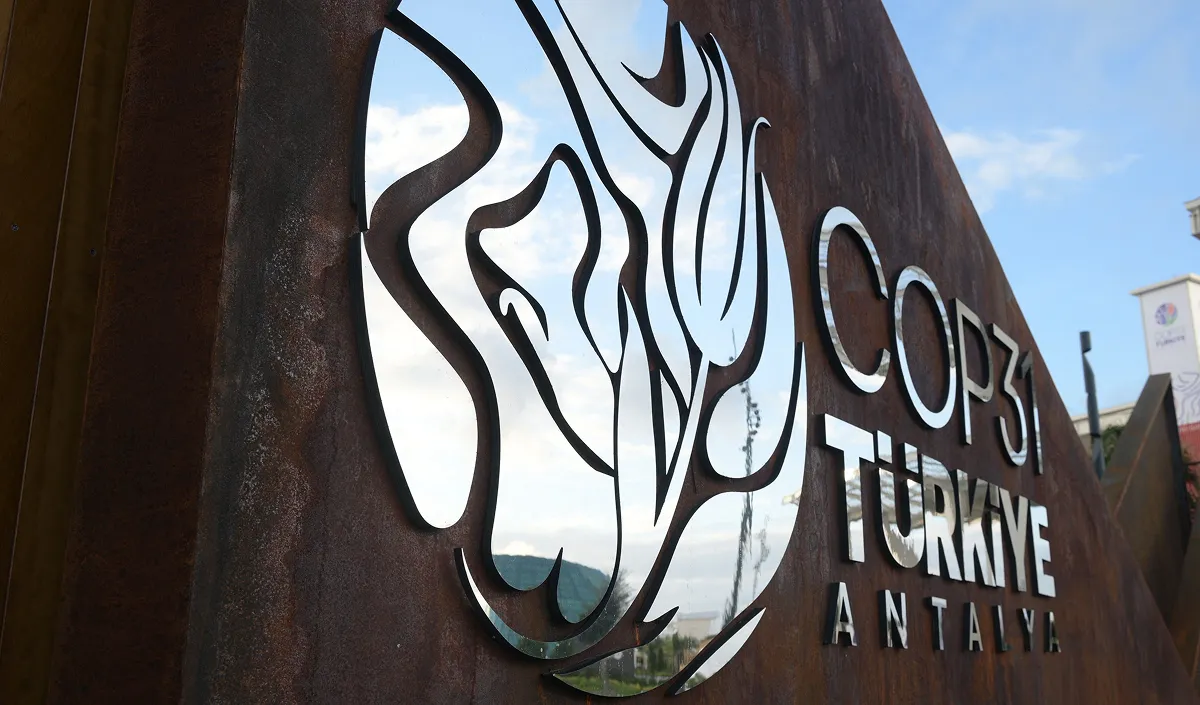
The benefits of the evolution of multilateral climate cooperation towards a two-tier system are only just beginning to be recognised. As the role of new participants in the implementation phase grows, the COP-31 Presidency (co-chaired by Turkey and Australia) is already pushing for an even more proactive approach to implementation at this year’s conference in Antalya.
Looking ahead, our shared goal must be to bring climate solutions out of the realm of niche applications and into the mainstream. By ensuring that the benefits reach everyone, everywhere, we will be able to realise the promise of a development paradigm aligned with climate goals – the driving force and necessary condition for competitiveness, as well as for food, water and energy security in the 21st century – and fulfil its potential to save us from disaster.
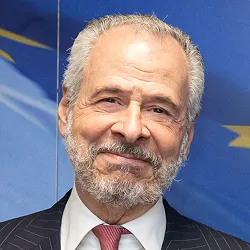
André Correia do Lago,
President of COP30.

Túlio Andrade,
Director of Strategy and Coordination, COP30.
©: Project Syndicate, 2026.
Follow our updates
Have information for the newsroom? Share it with Logos-Press














Comments
0No comments yet. You can start the conversation.
Comments are open to readers with a Logos Press account.
Sign in to comment