


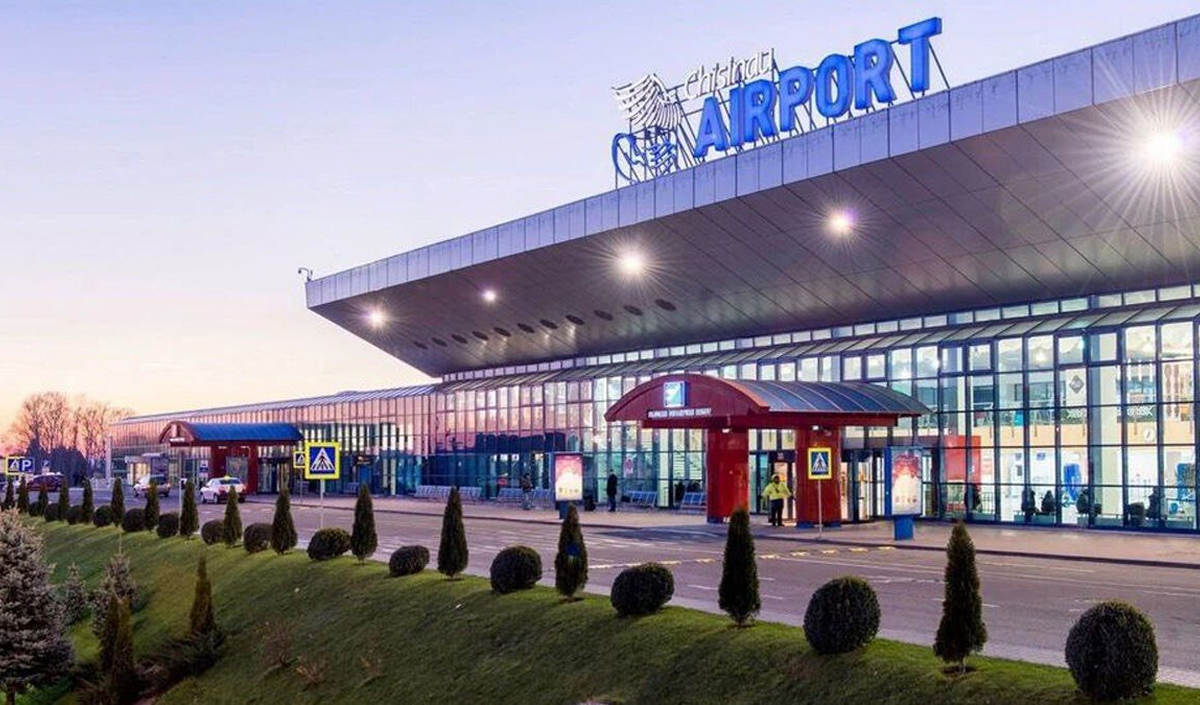
The international journalism project OCCRP dubbed this operation the ‘Russian Laundromat’. According to its investigation, over a three-year period, more than 20 Moldovan judges in 15 courts issued over 50 court orders that allowed around $20 billion to be channelled through the country’s financial system. Moldovan journalists give a slightly different estimate – around $17 billion for the period from January 2011 to March 2014, according to the Ukrainian publication ua.news.
How the scheme worked
It was based on fictitious debt obligations between companies registered in different countries. Offshore entities claimed that loans had allegedly not been repaid, after which they applied to Moldovan courts to recover hundreds of millions of dollars.
Judges issued debt recovery orders, which served as the basis for transferring real funds from Russian banks via Moldova. The local Moldindconbank, in particular, was used for this purpose. The money was subsequently converted and transferred to the accounts of creditor companies abroad, notably in European banks and offshore jurisdictions.
According to the investigation findings, documents that had not undergone proper verification were used in the court cases. A simplified procedure allowed judgements to be handed down without summoning the parties or holding a public court hearing.
Why the judges avoided punishment
According to the Moldovan publication Moldova 1, seven of the 14 judges facing criminal charges were found guilty. However, none of them are serving a sentence due to the expiry of the statute of limitations.
One of the most high-profile cases is that of former judge Gheorghe Markitan. In May 2011, he handed down a judgement ordering a Russian company to pay $200 million to a British entity. On 15 August 2025, the Supreme Court of Moldova upheld his guilt but exempted him from criminal punishment due to the expiry of the statute of limitations.
At the same time, not all those implicated in the court cases received convictions: some of the judges were acquitted, whilst one case was closed following the death of the accused.
Who is implicated in the investigations
OCCRP and Moldovan law enforcement agencies investigated the role of a network of Russian companies, offshore entities, banking institutions and local intermediaries. Among the Moldovan politicians linked to large-scale financial fraud are the former leader of the Democratic Party, Vladimir Plahotniuc, and businessman Ilan Shor.
It is worth noting separately that on 22 April 2026, Plahotniuc was sentenced to 19 years’ imprisonment in a case involving large-scale fraud involving Moldovan bank funds, money laundering and the formation of a criminal organisation. This sentence relates to the banking case and not directly to the legal proceedings against the judges in the ‘Russian Laundromat’ case.
The history of the ‘Russian Laundromat’ demonstrates how court rulings could be used to launder funds whose origins were concealed behind chains of companies and international transfers. At the same time, the lack of any real punishment for the convicted judges has become one of the main problems in the investigation into this scheme.
Follow our updates
Have information for the newsroom? Share it with Logos-Press












Comments
0No comments yet. You can start the conversation.
Comments are open to readers with a Logos Press account.
Sign in to comment