


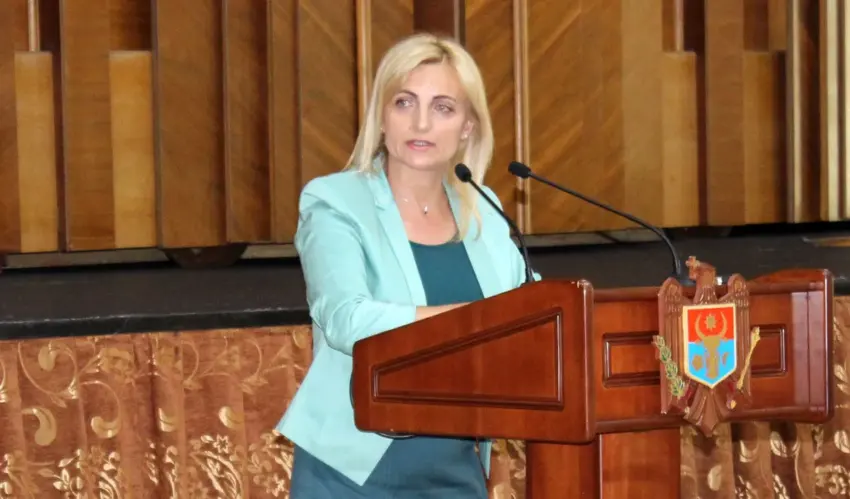
Valentina Casian
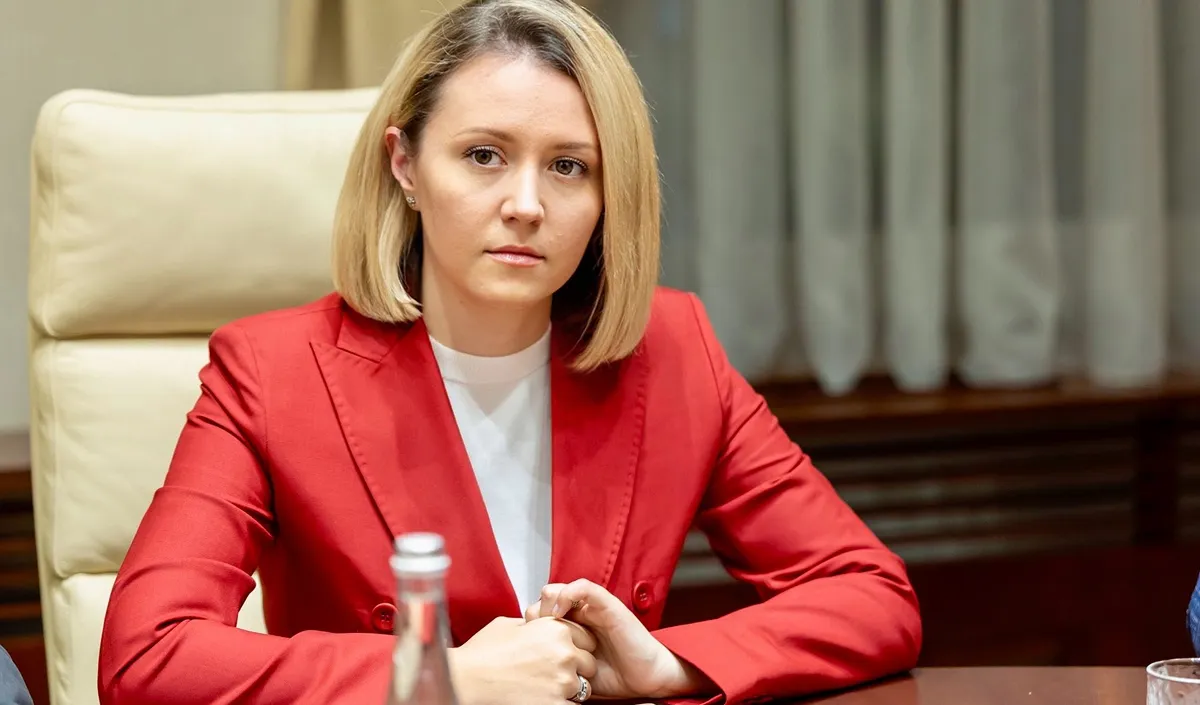
The mayors are concerned about the provisions of the draft law on a unified pay system in the public sector, which parliament recently passed at first reading. They outlined their concerns during a meeting with Finance Minister Viktoria Belous. The Ministry of Finance has promised to analyse the proposals and work together to find solutions to the problems they have raised – ahead of the bill’s second reading in Parliament.
The actual consequences fall far short of the stated objectives
It has been stated that the pay reform is being undertaken to improve the efficiency of the remuneration system. However, an analysis by experts from the Congress of Local Authorities in Moldova (CALM) shows that, for many local councils, its actual consequences may turn out to be different from those publicly stated.
Instead of the promised increase, the changes may lead to a reduction in salaries and a decline in the attractiveness of working in local government. And this at a time when local authorities are already facing an acute shortage of qualified staff.
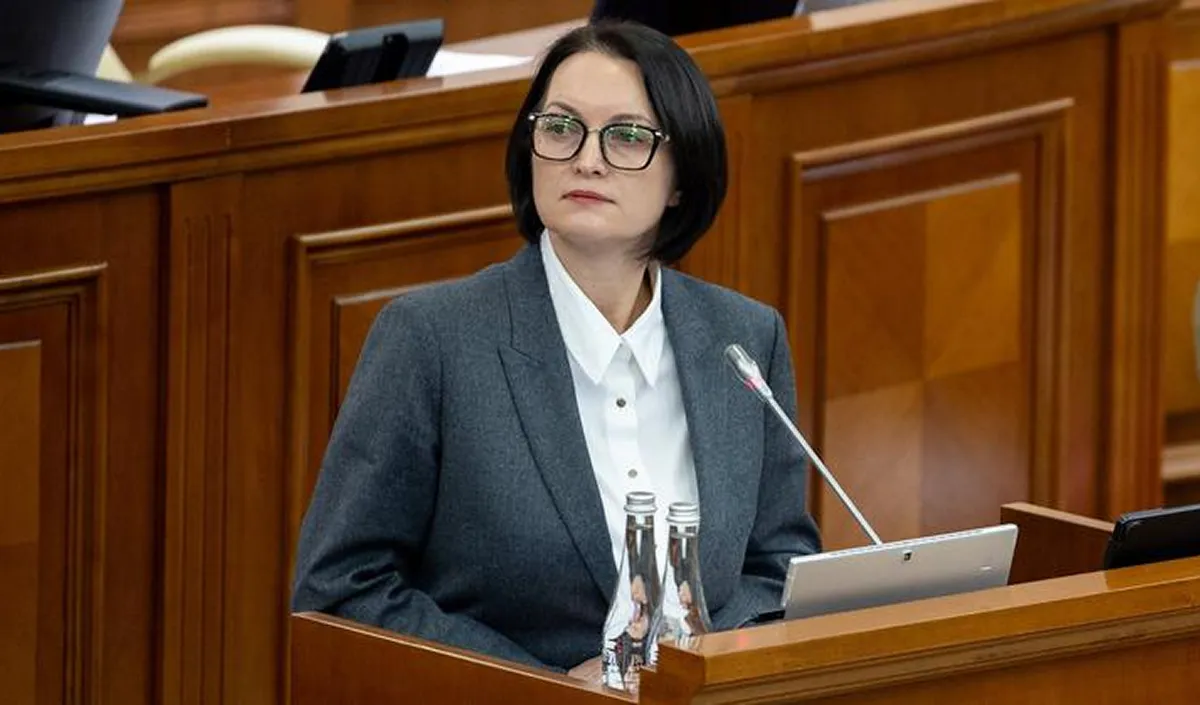
Valentina Kasian, mayor of Strășeni and vice-president of CALM, highlighted a problem that risks directly affecting the success of the voluntary amalgamation process. The issue concerns the position of senior specialists in the amalgamated local authorities, whose responsibilities and workload will increase following the reorganisation. However, they will not receive salaries commensurate with their new duties.
“There is a real risk that local authorities will lose well-trained specialists – people with valuable experience and skills – who may find more attractive remuneration opportunities in the private sector,” she noted.
Implementation of the law – after the elections
This refers to the planned 30 per cent pay rise, intended to strengthen the capacity of voluntarily merged local authorities. Under the proposed provisions, this increase may only be granted after the 2027 local elections, although the new pay law is due to come into force on 1 January 2027.
Local authorities will have to cope with the consequences of the reform and their new responsibilities on their own, without deriving any immediate benefit from the announced incentive measures, emphasised Valentina Kasyan.
She drew attention to another new provision – namely, that following the 2027 local elections, the combined total of the two proposed increases, each of 30 per cent, must not exceed 35 per cent of the basic salary for those holding public office, and 45 per cent for civil servants and contract staff.
In other words, even if the responsibilities and workload in the merged mayoral offices increase significantly, the promised financial benefits may turn out to be lower than expected.
“We believe that voluntary amalgamation should mean not only additional responsibilities, but also adequate resources, as well as genuine incentives for the people implementing this reform at local level. If we want strong local administrations and high-quality public services, we must invest in the people who are making this transformation possible,” emphasised Valentina Kasian.
Salaries may fall
According to CALM’s calculations, where a local council does not have sufficient own revenue, salaries may even fall – by 22–27 per cent.
The draft bill abolishes the possibility of granting a monthly allowance, which currently can amount to as much as 40 per cent of a salary. It also reduces the permissible level of expenditure on strengthening the professional capacity of local authority staff from 50 per cent to 30 per cent.
Furthermore, local authorities will not be able to use general grants to increase salaries. Consequently, for most local authorities across the country, this right to increase salaries risks remaining merely on paper.
“Smaller local authorities will be the first to lose out as a result of the new wage laws. Due to a lack of their own revenue, they will be unable to pay these bonuses,” notes Marcel Bobeiță, mayor of the commune of Gangura in the Ialoveni district and vice-president of CALM.
The mayors’ proposals will not entail any costs
During a meeting at the Ministry of Finance, the mayors asked for the provisions of the law to be reviewed and for proposals to be taken into account that do not require additional expenditure from the state. Specifically, they asked to retain both instruments for increasing salaries: expenditure on staff professional development of up to 50 per cent and monthly allowances of up to 40 per cent.
They also called for permission to pay these from local budgets’ own revenues, including general-purpose transfers, at a rate set by local councils. The mayors emphasise that this decision would not require additional funds from the state budget and is fully in line with the principles of local autonomy enshrined in the European Charter of Local Self-Government.
Follow our updates
Have information for the newsroom? Share it with Logos-Press
















Comments
0No comments yet. You can start the conversation.
Comments are open to readers with a Logos Press account.
Sign in to comment