


Pierre-Olivier Gurinsha
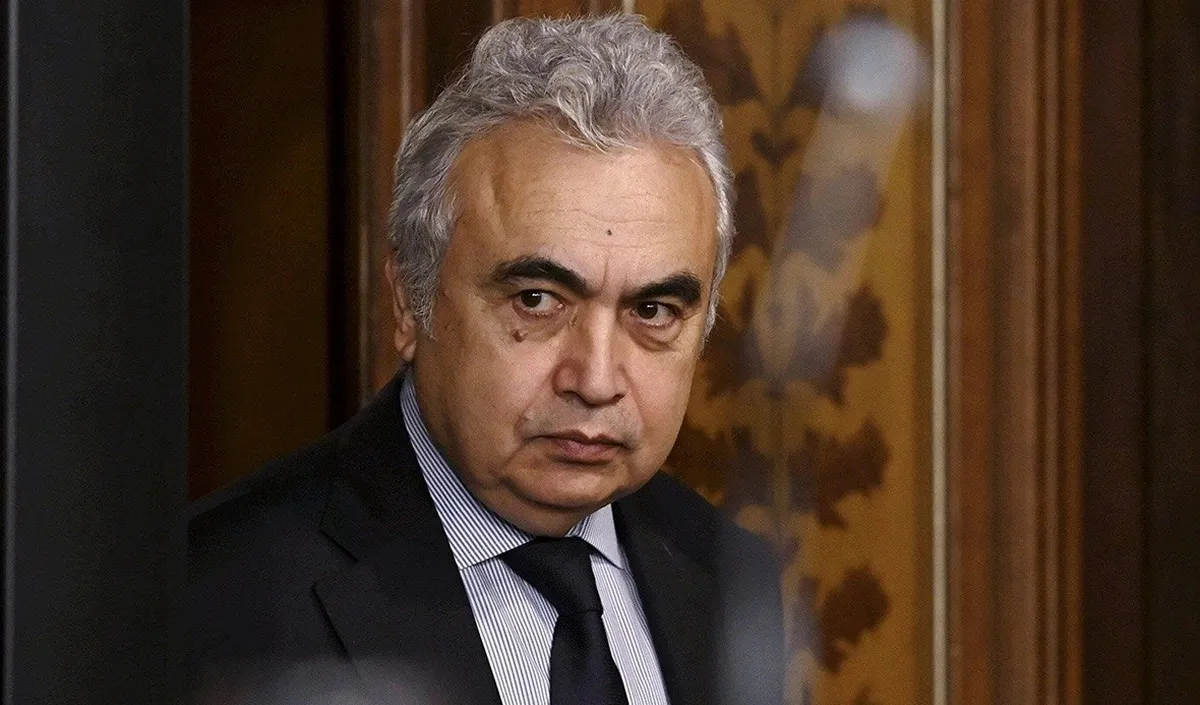
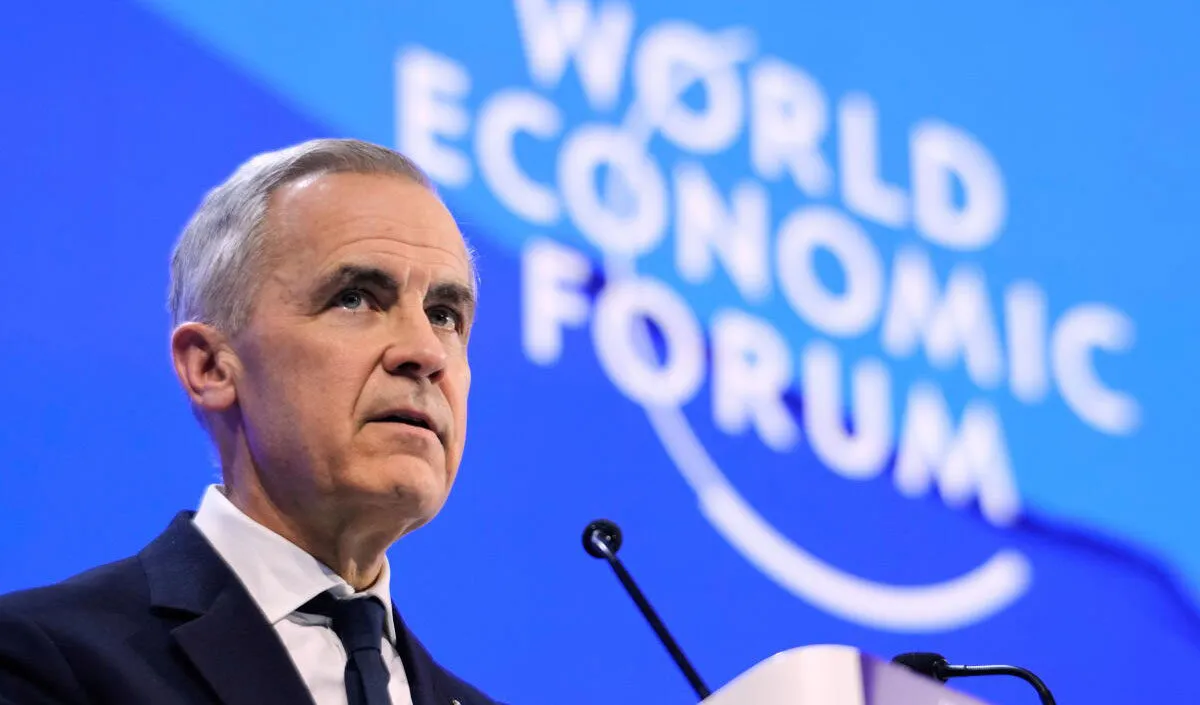
The IMF, established 80 years ago to support globalization, is now forced to watch the twilight of that era. IMF Chief Economist Pierre-Olivier Gourincha warns: attempts by countries to gain short-term advantages through trade barriers and by exploiting infrastructure “bottlenecks” for political gain will lead to devastating consequences for the initiators themselves.
According to Pierre-Olivier Gourincha, the global economy is at risk due to “mutual” economic wars between nations.
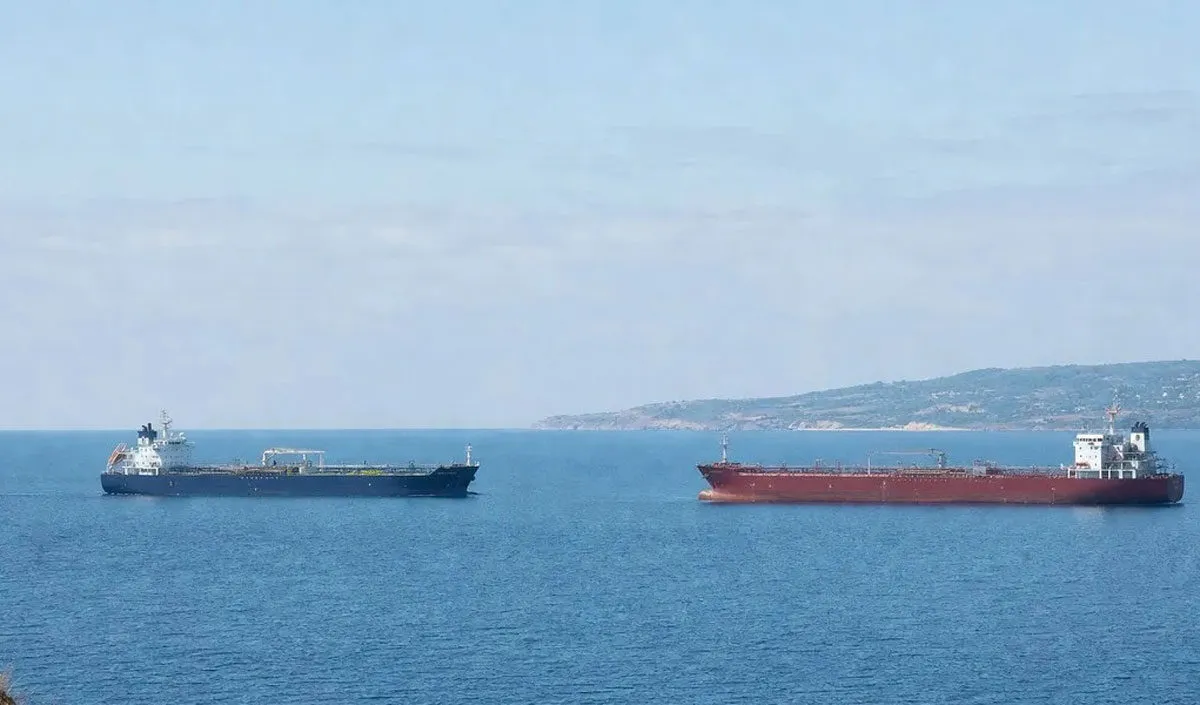
“If you try to use control over critical minerals or rare earth metals, the rest of the world will simply start building supply chains that bypass you,” Gurinsha noted. — “If you try to control the Strait of Hormuz—you might succeed for a short time, but other countries will immediately start building bypass pipelines.”
Gurinsha emphasizes: “We risk getting bogged down in endless retaliatory measures; states will endlessly exploit their small advantages, using methods that are ultimately doomed to failure.”
Geopolitical Fragmentation
“We are seeing profound challenges to the very rules of the game,” says the expert. Nevertheless, the growing number of bilateral trade deals—such as the EU’s agreements with India and the major economies of South America—offers hope.
“As countries integrate with one another, groups of states emerge that create their own gravitational pull. It’s like the formation of a new planet—you begin to attract others and cease to be isolated in a vacuum,” the economist explained.
The Role of the Dollar and the Risks of Financial Fragmentation
According to Gurinsh, the dollar’s status as the world’s leading currency remains a “source of stability” for markets. However, the longevity of this status depends directly on whether the U.S. will turn its currency into a weapon.
“It is precisely the use of currency as a weapon that creates incentives to abandon it—to develop one’s own payment systems, gateways, and infrastructure,” he concluded. — “It is hard to imagine that we can remain a fragmented world in trade without eventually becoming fragmented in the financial sphere as well.”
Follow our updates
Have information for the newsroom? Share it with Logos-Press







Comments
0No comments yet. You can start the conversation.
Comments are open to readers with a Logos Press account.
Sign in to comment