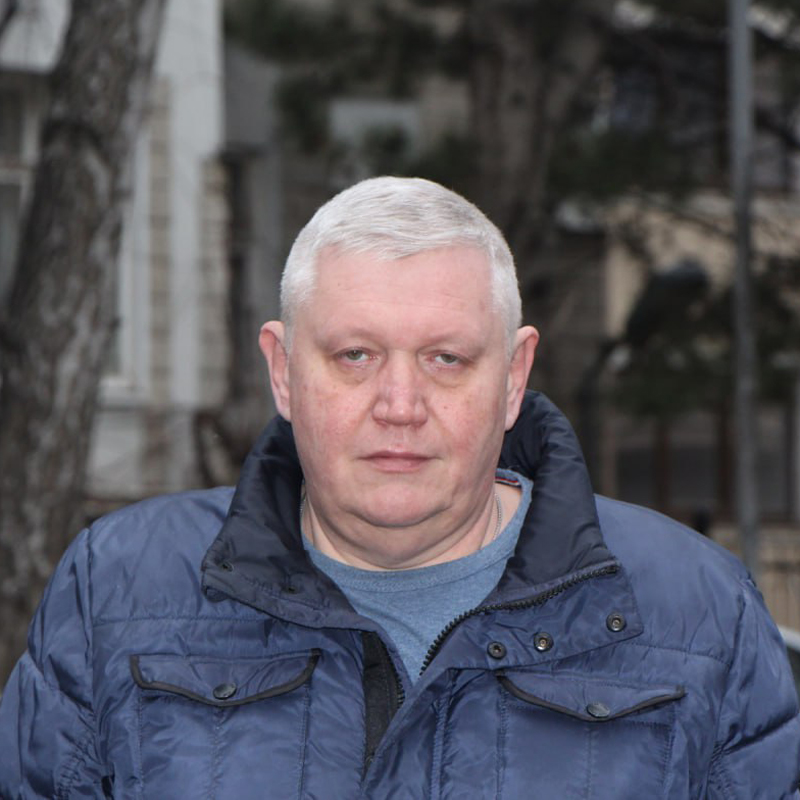

Activist Adrian Covăsneanu of the “Moldova vrea autostradă” association explained the details of the upcoming modifications to the RFI România portal.
Currently, only the Iași–Socol section (6.3 km) is electrified, while the approximately 17 km between Socol and Ungheni is operated on non-electrified infrastructure. An important argument put forward by Romanian Railways is the strategic location of this line. The route serves as the main rail link between Highway 500 and the border with the Republic of Moldova and is part of the new European transport corridor connecting the Baltic Sea, the Black Sea, and the Aegean Sea.
“In fact, this approach is part of a larger project for complete modernization, and we are currently in the first phase. We hope that the tender will be announced shortly, and implementation may begin in a year and a half at the latest,” said Adrian Covăsneanu— “In other words, we are in the process of phased implementation of these investments, and significant resources will be allocated in the next budget period so that we can travel at higher speeds—from 120 to 160 km/h—in our region as well.”
The European Union’s condition is the existence of a single European standard; otherwise, investments in the Republic of Moldova will not be funded.


