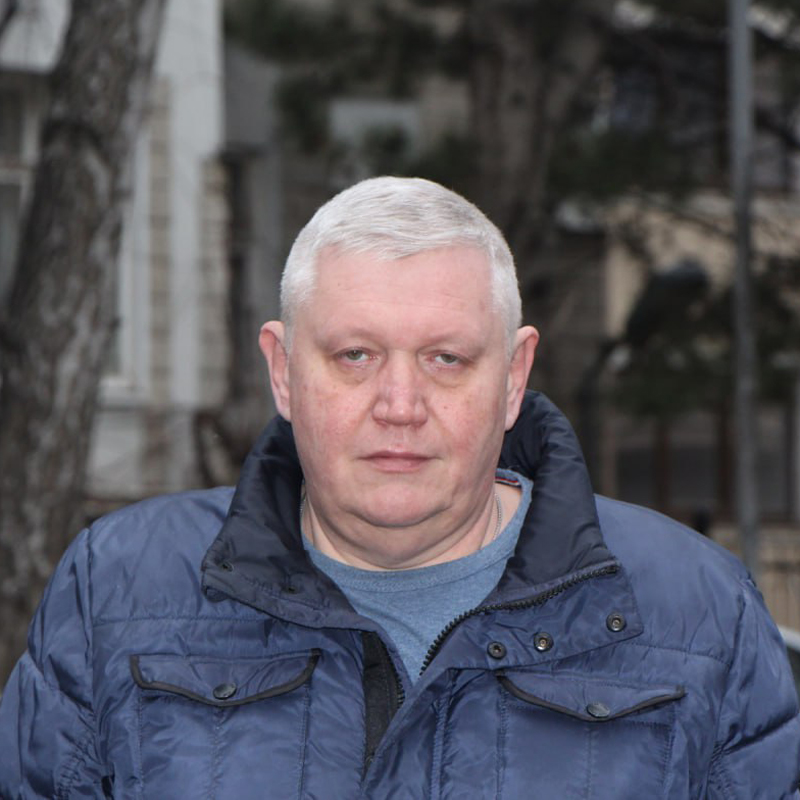

Sergiu Gaiu
The country’s authorities are looking for ways to combat scammers.
A scam is a type of online fraud in which users are persuaded to transfer money to fraudsters or make a payment to them. Social engineering techniques are typically used to achieve this. People who engage in scams are called scammers.
What can be done?
The National Association of ICT Companies (ATIC) held a roundtable discussion on “Social Engineering as a Method of Fraud and Ways to Protect Against It,” which was attended by the National Agency for Communications Regulation (ARCOM).
During the meeting, ARCOM leadership presented an assessment of the technological and regulatory measures adopted for the first time to protect citizens, emphasizing that safe digitalization requires joint efforts by authorities and operators and, most importantly, an increase in the population’s digital literacy.
In his opening remarks, ARCOM Director Sergiu Gaiu highlighted the unprecedented complexity of social engineering as a method of fraud—a mechanism of manipulation that is constantly evolving. “New technologies bring enormous benefits to our society, but they also pose risks that are little known to the general public. It is crucial to maintain a dynamic and constructive dialogue between government authorities, service providers, civil society, and the scientific community to provide clarity and equip citizens with the necessary tools to prepare and protect themselves,” said the agency’s director.
Blocking as the Primary Method
To illustrate the scale of the measures being taken, the director of ARCOM reported that in the first five months of this year, the technical mechanisms implemented made it possible to block more than 1,367,000 suspicious calls out of a total of 19 million international calls received in the Republic of Moldova. These results are a direct consequence of the evolution of the regulatory framework and close cooperation with telecommunications operators.
Efforts to enhance mobile communications security continue. For example, based on the work of task forces operating on the ARCOM platform throughout 2025, mobile operators agreed upon and established an interoperability standard for implementation—GSMA Open Gateway. The technical aspects were incorporated into the existing regulations by Resolution No. 5 of the Board of Directors dated January 2026. Following consultations with technology solution providers, a task force for the implementation of inter-network interoperability solutions was launched in May 2026.
The Importance of Prevention
In addition to technical filtering solutions, prevention became a key component of the strategy. In cooperation with the Moldovan police, operators sent SMS notifications to subscribers. To avoid confusion with advertising messages and ensure maximum effectiveness, the notifications were sent on behalf of the police. In addition, all three major operators set up special interactive menus in their contact center IVR systems to report fraud attempts and provide citizens waiting for a response with information about the risks of fraud.
We Can’t Let Our Guard Down
Looking ahead, ARCOM warns that criminals’ use of artificial intelligence will lead to the emergence of even more sophisticated manipulation techniques based on the collection and analysis of data from social media. Many of these attacks are shifting to over-the-top (OTT) applications, which are beyond the technical control of traditional telecommunications operators, making it difficult for law enforcement to take countermeasures and conduct investigations.
Sergiu Gaiu concluded the event with the following message:
“Technology is evolving rapidly, and technical barriers—no matter how sophisticated they may be—represent only half of our security equation. The most important line of defense remains the vigilance of every citizen. Therefore, digital literacy is no longer just an added benefit but has become a paramount necessity for modern society. By learning to recognize risks, protect our data, and verify information, we transform technology from a vulnerability into a space of safe opportunities.”


