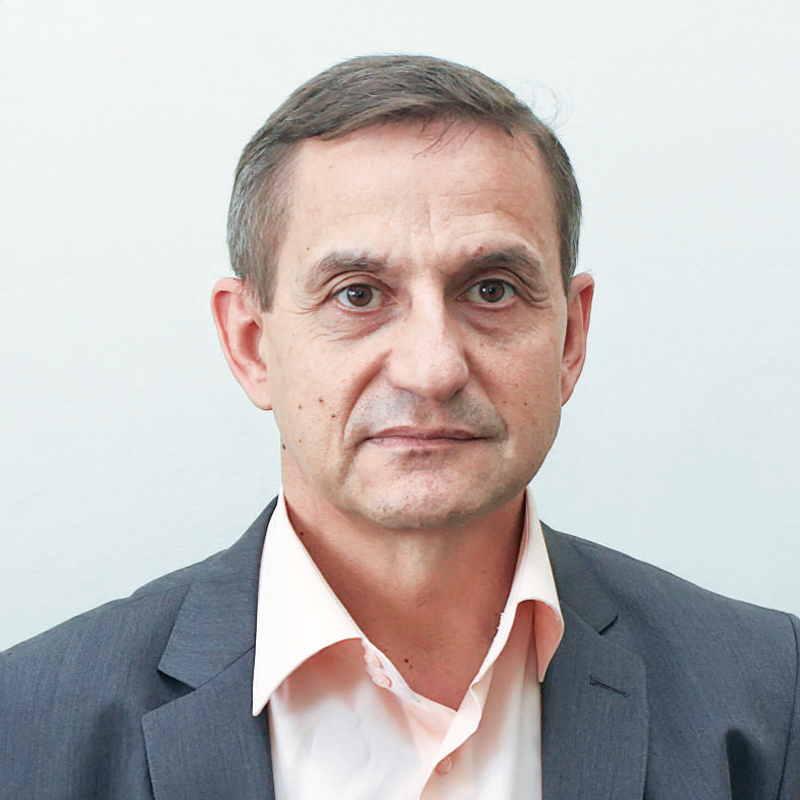

Ursula von der Leyen
European Commission President Ursula von der Leyen announced this at the Conference on the Reconstruction of Ukraine in Gdańsk, Poland.
At the same time, the International Monetary Fund has provisionally approved the release of another tranche of nearly $700 million to Ukraine as part of the current support program.
Ukraine uses this money to finance its non-military expenditures. But there is a flip side to these agreements—reform commitments that Kyiv must implement. What are these reforms, and what might they mean for the people of Ukraine? The BBC explored this question.
What conditions have international lenders set?
Funds from the EU and the IMF are intended to finance the state’s non-military expenditures, including maintaining macrofinancial stability, social spending, and the functioning of state institutions.
At the same time, part of the European loan is tied to the implementation of a reform program. According to the signed memorandum, approximately 30 billion euros of the total EU aid package will depend on Kyiv’s fulfillment of its economic commitments.
The main requirements of international partners focus on three areas:
– improving the efficiency of government spending;
– improving tax administration and increasing budget revenues;
– reforming public financial management.
The European Commission also links further support to reforms necessary to strengthen institutions and advance Ukraine’s integration with the European Union.
However, the IMF noted a “slowdown in progress on structural reforms.” Two benchmarks agreed upon with the Ukrainian authorities were met late, while another was not met at all. The IMF statement said that the parties agreed on a new timeline and new policy commitments from Kyiv.
Tariffs, Taxes, and the Fight Against the Shadow Economy
One of the most sensitive issues remains energy market reform.
The IMF expects Ukraine to prepare a roadmap for the gradual liberalization of the utilities market. This involves a transition to a more market-based approach to setting rates, while simultaneously creating protective mechanisms for households that are unable to pay the full cost of services.
Currently, prices for gas, heat, and hot water for the population remain capped by the government under existing wartime regulations.
International lenders believe that this system places an additional burden on state-owned energy companies and hinders investment in infrastructure reconstruction.
Another set of reforms concerns the tax system. Kyiv must limit opportunities for abuse of the simplified tax system and reduce the scale of the shadow economy.
The introduction of VAT for sole proprietors was previously discussed, but this initiative faced criticism from the business community and has not yet received the necessary support in parliament. As a result, the focus has shifted to combating fictitious entrepreneurship and business fragmentation schemes.
Reforms May Affect Businesses and the Public
International lenders emphasize that Ukraine must combat cost overruns in government programs, be prepared to identify additional domestic sources of revenue, and uncover opportunities for cost savings.
Kyiv, the IMF stresses, must make sustained efforts to improve tax administration and tax policy. The fairest and most effective way to do this, the Fund emphasizes, is to reduce the shadow economy.
At the same time, experts point out that some of the proposed changes could place an additional burden on businesses and consumers.
Changes to utility rates could have the most significant impact on the population if Ukraine moves toward a gradual phasing out of special price regulation mechanisms after martial law ends.
For entrepreneurs, the main issue remains striking a balance between strengthening tax oversight and preserving favorable conditions for small businesses. Economists note that excessive pressure on companies could lead to an expansion of the shadow economy rather than an increase in tax revenues.
At the same time, the partners are insisting that Kyiv take more active and effective measures to combat corruption, but the Ukrainian authorities’ commitments on this issue have not been specified in detail.


