
Today, as part of Civil Servant Day, the Chisinau City Hall organized a conference titled “The Impact of Government Decisions on the Financial Autonomy of Local Authorities.”
During the event, it was emphasized that since 2020, the capital has had to cope with numerous crises using its own resources—from the COVID-19 pandemic and the refugee crisis to the energy crisis and inflation. This has led to a massive reduction in local revenues that were previously guaranteed by the state.
For example, as a result of the “Restart” reform in the social assistance sector, the capital’s municipality and Gagauzia were deprived of state funding for services for people with severe disabilities. The city government covers these expenses annually—amounting to more than 168 million lei—from its own funds.
In the education sector, underfunding of after-school programs and other services has also created a serious imbalance.
Local autonomy is impossible without funding
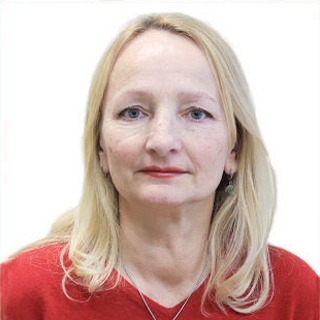
Overall, as emphasized by Olga Ursu, a deputy and former deputy mayor of Chisinau for economy and finance, the actual scope for decision-making by local authorities has sharply decreased.
“It is impossible to build local autonomy if money is taken away from municipalities,” she emphasized. – A local government can develop, provide quality services, and invest only if it has sufficient resources.
– Today, a municipality’s own revenues account for only about 11–12% of the budget; the rest of the money comes from targeted transfers. At the same time, frequent changes in fiscal policy result in a loss of funds from the city budget—money that was supposed to go toward roads and schools.”
Ilie Cheban, Deputy Mayor for Legal and Urban Planning Affairs, drew attention to the lack of a national legal framework adapted to modern realities.
“We need clear legal tools, whether it’s a modern mechanism for collecting parking fees or managing abandoned vehicles,” he noted. “Because of this lack, the city is losing funds that could have been reinvested. Furthermore, we are being delegated responsibilities without financial support, which is unacceptable in a country moving toward European standards of decentralization.”


