
At the first meeting of the Steering Committee for the STIC project (“Strengthening Trust, Integrity, and Compliance in SMEs and the Public Sector in Moldova and Between Them”), held at the Ministry of Economic Development and Digitalization on June 10, the results of the preparatory phase and work plans for the coming years were presented.
Participants discussed the outcomes of consultations with entrepreneurs and industry associations, as well as the results of an analysis of value chains in agriculture and construction. During the project’s preparation, key administrative and regulatory barriers were identified that complicate the operations of companies in these sectors.
Simplifying regulations will be a priority
In 2026, the project will focus on reviewing and refining the restrictions identified by business representatives, developing practical compliance tools, and testing pilot solutions that will make it easier for companies to meet legal requirements.
At the same time, the plan is to identify opportunities to reduce excessive regulatory procedures and increase transparency in the development and application of regulations.
According to the initiators, this approach should help strengthen trust between government agencies and the business community, as well as reduce administrative costs for businesses.
The project is scheduled to run until 2028
The STIC project is being implemented from 2024 to 2028 with support from Switzerland. Its total budget is 3.92 million Swiss francs, or approximately 80 million lei.
The project’s results are expected to contribute to the creation of a more predictable and competitive business environment, especially for small and medium-sized enterprises, which are most sensitive to administrative and regulatory barriers.
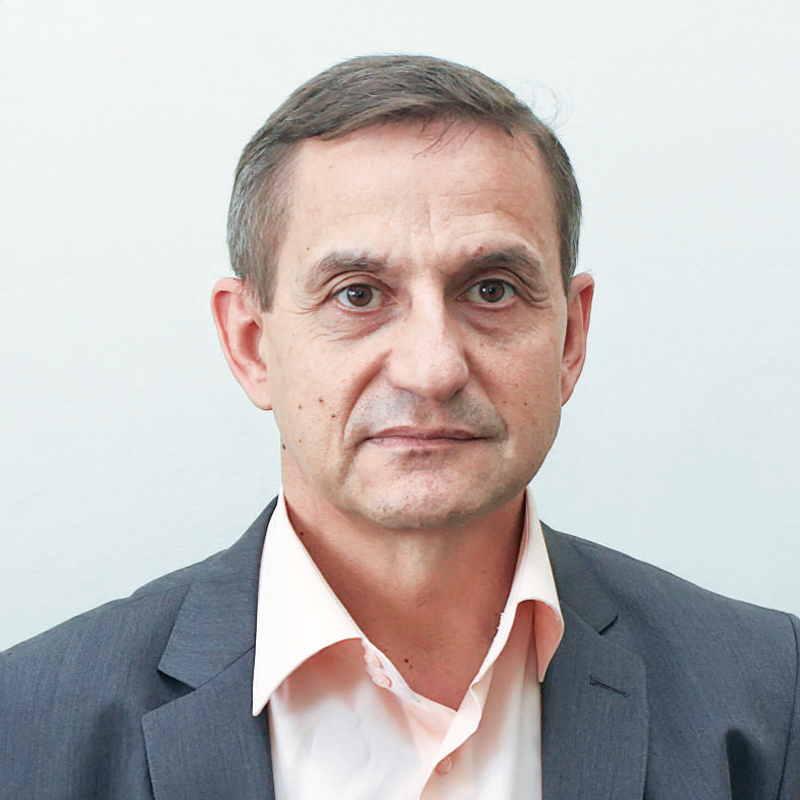
The meeting was attended by Guido Beltrani, Director of the Swiss Cooperation Office; State Secretary of the Ministry of Economic Development and Digitalization Natalia Selvestru, State Secretary of the Ministry of Agriculture and Food Industry Sergiu Gherciu, as well as representatives of a number of government agencies and organizations involved in the project’s implementation.


