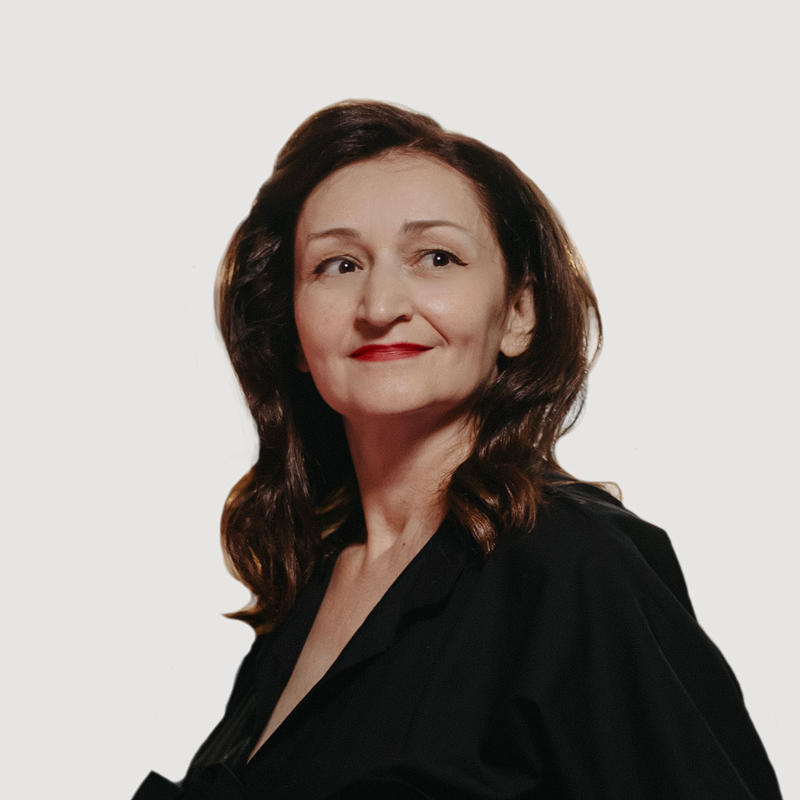

Maya Banarescu
In her public assessment, Bănărescu notes that the principle of acting in the best interests of the child must remain the primary criterion for any educational reform. In her view, the key question that any reorganization of the education system must address is: “What will this reform change for children?”
“Every education system needs reform. Society is changing, children are changing, and schools must adapt to these changes. The question is not whether reforms are needed, but how to design them and by what criteria to evaluate them,” stated Maia Bănărescu.
According to her, the success of the reform cannot be measured solely by changes in the management structure or the level of centralization or decentralization of the system. The key indicators should be real changes in students’ lives: equal access to quality education, narrowing the gap between schools in rural and urban areas, ensuring inclusive education for children with disabilities, and supporting children from vulnerable families.
Bănărescu also emphasizes the need to involve students, parents, educators, and local communities in the process of developing, implementing, and evaluating the reform. In her view, children’s participation in decisions that directly affect them is not a mere formality, but a demonstration of respect for their dignity and rights.
The former Ombudsman pays particular attention to the preparation and implementation of the reform. She believes that changes of this magnitude must be accompanied by consultations, an assessment of potential risks, phased implementation, and clear communication with the institutions that will directly implement the new rules.
As a reminder, on July 30, the Moldovan Parliament approved the “RESTART” reform in its first reading, which provides for the creation of 35 territorial agencies in the field of education, reporting directly to the Ministry of Education and Research. According to Minister of Education and Research Dan Perciun, the goal of the reform is to ensure greater fairness and equal opportunities for students from all regions of the country. “We want to make sure that this social ladder works the same way for everyone,” the minister said.
Follow our updates