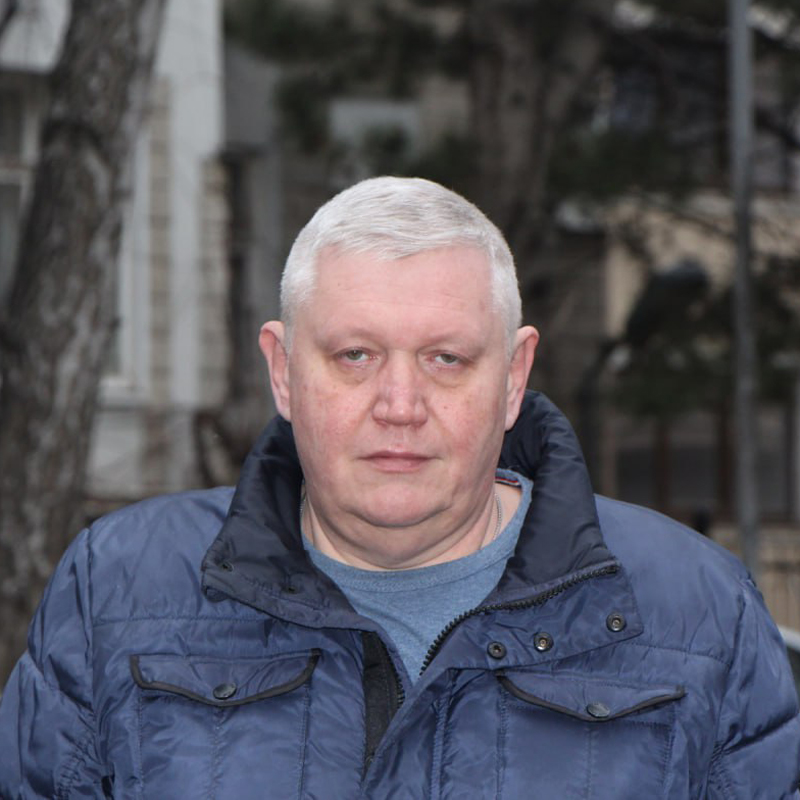

Ion Muntean
Among the priorities are the development of energy storage systems (BESS) and the expansion of the home appliance voucher program (EcoVoucher), which supports the replacement of old home appliances with new, energy-efficient equipment. New investments are aimed at increasing the flexibility of the energy system, integrating renewable energy sources, and reducing household energy consumption.
Vitalie Mica, State Secretary at the Ministry of Energy, emphasized the importance of Norway’s support in accelerating the transformation of Moldova’s energy sector. “Cooperation with the Kingdom of Norway is essential for developing solutions that meet both the current needs of the energy system and our long-term goals. Investments in energy storage systems and energy efficiency allow us to create a more flexible, sustainable, and better-prepared system for integrating renewable energy sources.”
In which areas does Moldova need assistance?
At the suggestion of the Moldovan side, Norway could contribute to financing a loan guarantee mechanism and partially covering bank interest for companies that install energy storage systems. This mechanism will be managed by the Enterprise Development Organization and will provide state support amounting to approximately 1.4 billion lei, which will help mobilize private investments totaling about 10 billion lei. The implementation of this mechanism will promote the development of modern energy storage infrastructure, reduce imbalances in the power system, and enhance the resilience of the energy sector.
Currently, the capacity of approximately 30 battery storage systems in the country totals 150 MWh, which represents less than 10% of peak load. By the end of the year, capacity could increase more than fourfold, which would attract private investment of about 150 million euros. Currently, the government exempts renewable energy producers who purchase battery storage systems from import duties and promptly reimburses them for VAT.
Another area of cooperation with the Kingdom of Norway involves the EcoVoucher program. Under this program, households can receive vouchers covering up to 70% of the cost of new equipment, which helps both reduce energy consumption and lower families’ utility bills.
Ion Muntean, director of CNED, thanked the Norwegian government for its support of the EcoVoucher program, which has benefited approximately 25,000 households. Currently, beneficiaries are saving a total of about 20 million lei per year on their electricity bills.
“Expanding the EcoVoucher program and developing support mechanisms for household energy storage systems are two important avenues for improving energy efficiency and sustainability. CNED already has mechanisms in place that allow it to convert potential funding into tangible benefits for citizens—reducing household energy consumption and costs, as well as creating better conditions for integrating renewable energy sources into the energy system,” said Ion Muntean.
Follow our updates