

photo: Укринформ
These are the conclusions reached by the consultancy firm Oliver Wyman. Its research is based on surveys of 3,825 travellers and interviews with more than 30 industry executives.
Between 2023 and 2025, global passenger traffic grew by an average of 6.2 per cent per year, whilst travel retail grew by just 2.7 per cent. As a result, the sector fell short of revenue by around $5 billion compared with the per-passenger sales level in 2019.
The main issue is a shift in consumer behaviour. Millennials and Generation Z already account for six out of every ten dollars that travellers spend on air travel. At the same time, younger passengers spend less time in airport shops and are more likely to use their smartphones, visit restaurants and other areas of the airport.
This is particularly evident when it comes to the sales channel itself. Only 19 per cent of younger generations prefer to shop in airport shops, whereas among older travellers this figure reaches 49 per cent. For young shoppers, product quality is the most important factor: 64 per cent of those surveyed cite it as their main criterion. This is followed by price (51 per cent) and trust in the brand (43 per cent).
At the same time, interest in new products remains high amongst young travellers. Almost 96 per cent of Generation Z have discovered new brands or products in airport shops. Almost half (49 per cent) made a purchase immediately after such a discovery.
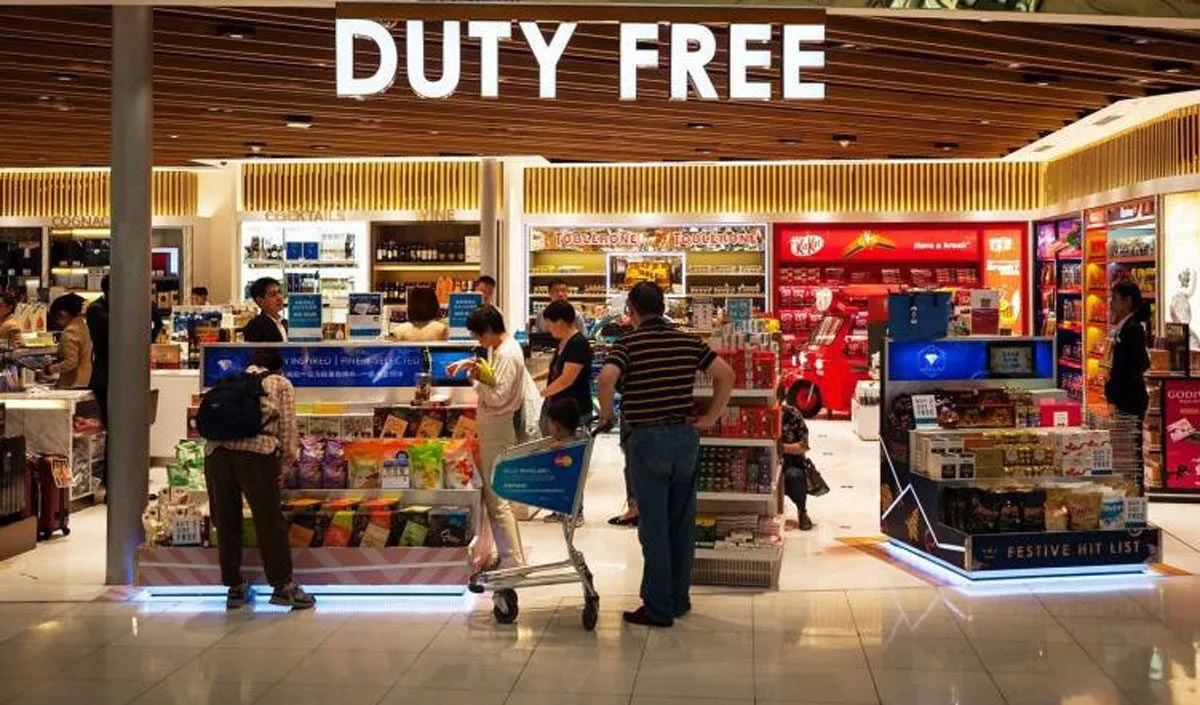
Analysts believe this is changing the very role of duty-free. It is no longer enough for shops simply to offer well-known global brands and discounts. Shoppers want new products, exclusive offers, local produce, tastings and other formats that turn a visit to the shop into a unique experience.
That said, price remains an important factor. Travellers still expect a discount of around 18 per cent on average compared with regular retail prices. But the internet has made price comparison instantaneous, so the promise of a discount alone is no longer enough.
The regional picture varies considerably. The Asia-Pacific region remains the main area lagging behind: average revenue per passenger there fell by 22 per cent to $7.56. Europe, by contrast, saw a 14 per cent increase in spending per passenger, rising to $9.89.
According to Oliver Wyman, pressure on the traditional model will only intensify in the coming years: by 2035, millennials and Generation Z will account for around 81 per cent of air travel expenditure. To return to growth, airport retailers will have to compete not only on price, but also for passengers’ attention.
This story was translated with the assistance of artificial intelligence.The translation was also reviewed by the Logos Press editorial team.
Follow our updates
Have information for the newsroom? Share it with Logos-Press




















Comments
0No comments yet. You can start the conversation.
Comments are open to readers with a Logos Press account.
Sign in to comment